


SOFIA
Sofia, the capital of Bulgaria, is a city with a long and fascinating history dating back thousands of years. Located at the foot of Mount Vitosha, it offers a unique combination of nature and urban life, with parks, hiking trails, and beautiful panoramic views.
Among its most iconic landmarks is the Alexander Nevsky Cathedral, renowned for its impressive architecture, and the Boyana Church, a UNESCO World Heritage Site famous for its remarkable medieval frescoes. Visitors can also explore the Roman ruins of Serdica, an ancient city hidden beneath the modern city center. Sofia is also a lively destination, with cafés, restaurants, and shops that perfectly blend tradition and modernity.

2-DAY ITINERARY
DAY 1
THE ALEXANDER NEVSKY CATHEDRAL
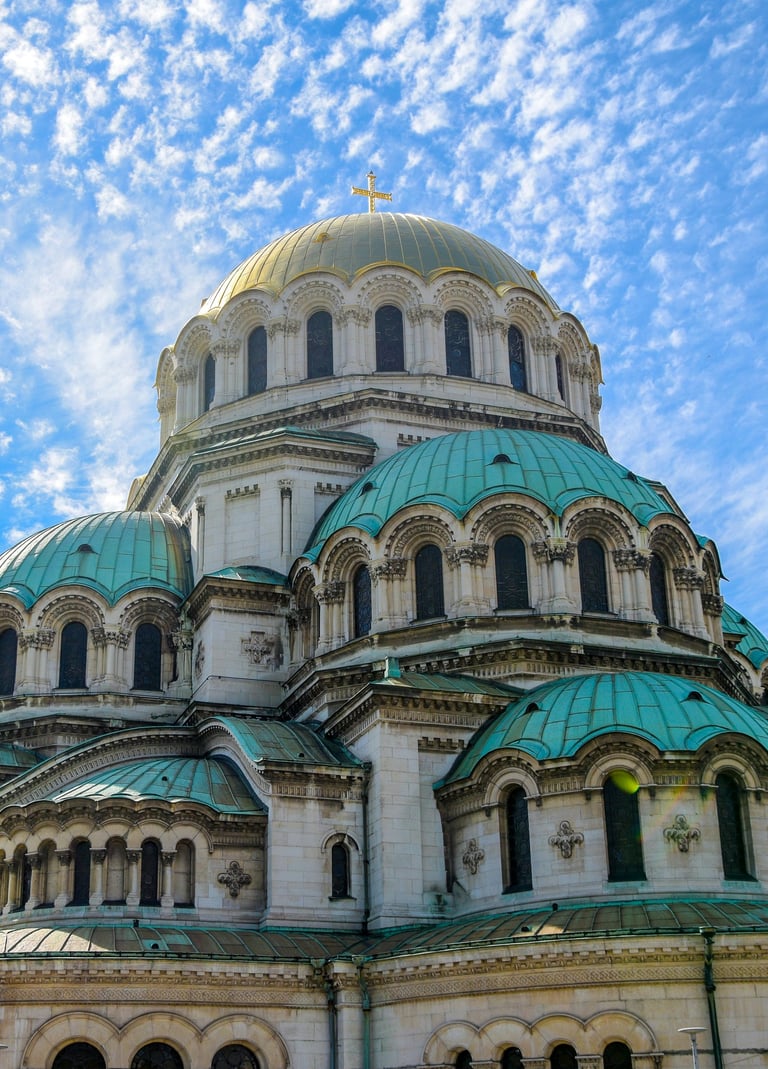
The Alexander Nevsky Cathedral is located in the center of Sofia, Bulgaria, and is the city’s most important religious landmark.
Built between 1882 and 1912 to commemorate the liberation of Bulgaria from Ottoman rule, it is dedicated to Saint Alexander Nevsky, a hero and saint of the Russian Orthodox Church. The cathedral features a Neo-Byzantine architectural style, with impressive golden domes that can be seen from afar.
It can accommodate up to 10,000 people, making it one of the largest Orthodox cathedrals in the world. The interior is richly decorated with mosaics, marble, icons, and frescoes created by European artists.
Today, the cathedral remains an important place of worship and one of Sofia’s most visited tourist attractions.
CATHEDRAL (MAIN CHURCH)
Opening hours: Every day from 7:00 AM to 7:00 PM
Admission: Free entry, but donations are welcome
CRYPT MUSEUM (ICON COLLECTION)
Opening hours: Tuesday to Sunday, 10:00 AM – 6:00 PM (ticket office closes at 5:30 PM)
Closed: Monday and public holidays
Admission:
Adults: 6 Lev (around €3)
Students and seniors: 3 Lev (around €1.50)
Thursday reduced ticket: 2 Lev
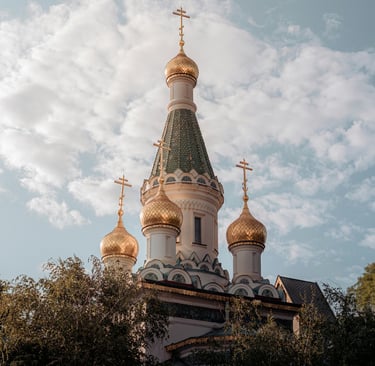
RUSSIAN CHURCH OF ST. NICHOLAS
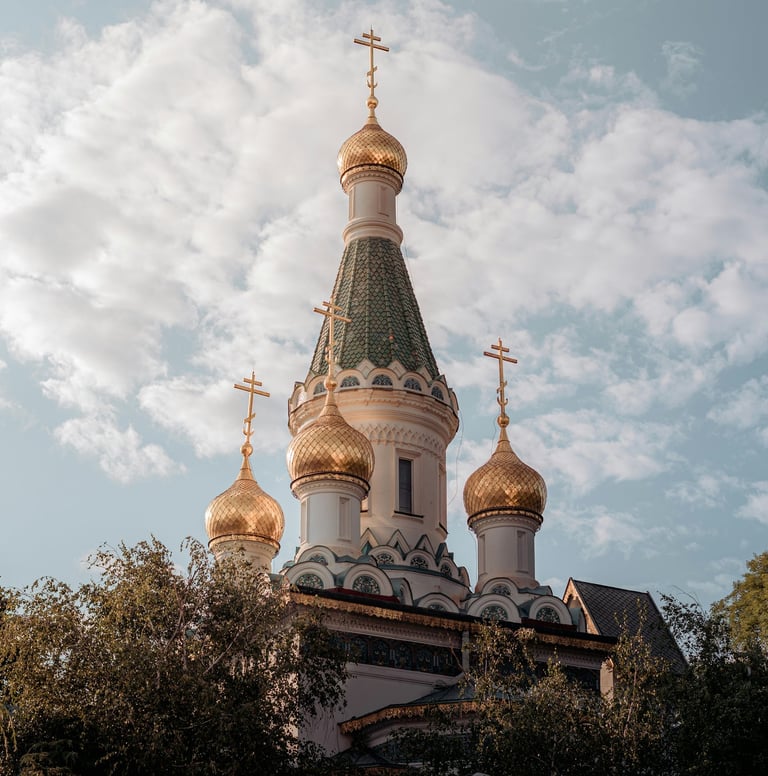
Built at the beginning of the 20th century for the Russian community living in the city, the church is dedicated to Saint Nicholas the Wonderworker, a highly revered figure in the Orthodox tradition.
The church features a Neo-Russian architectural style, with distinctive golden onion-shaped domes. The interior is richly decorated with icons, frescoes, and carved wooden details.
Beneath the church lies the tomb of Archbishop Seraphim, which has become an important pilgrimage site. It is a beloved place of worship, visited by both faithful believers and tourists.
OPENING HOURS
Every day: 8:00 AM – 6:30 PM
ADMISSION
Entry to the church is completely free.
BANYA BASHI MOSQUE


Built in 1576 during the Ottoman Empire, when Bulgaria was part of the Ottoman domain, the mosque was designed by the famous architect Mimar Sinan, one of the greatest architects of the period.
The name “Banya Bashi” means “many baths,” as the mosque was built near the natural thermal springs that once existed in the area. The building is characterized by a large central dome and a tall minaret, typical elements of Ottoman Islamic architecture.
OPENING HOURS
Every day: Approximately 9:00 AM – 6:00 PM
ADMISSION
Entry is free (any donations are voluntary and left to visitors’ discretion).
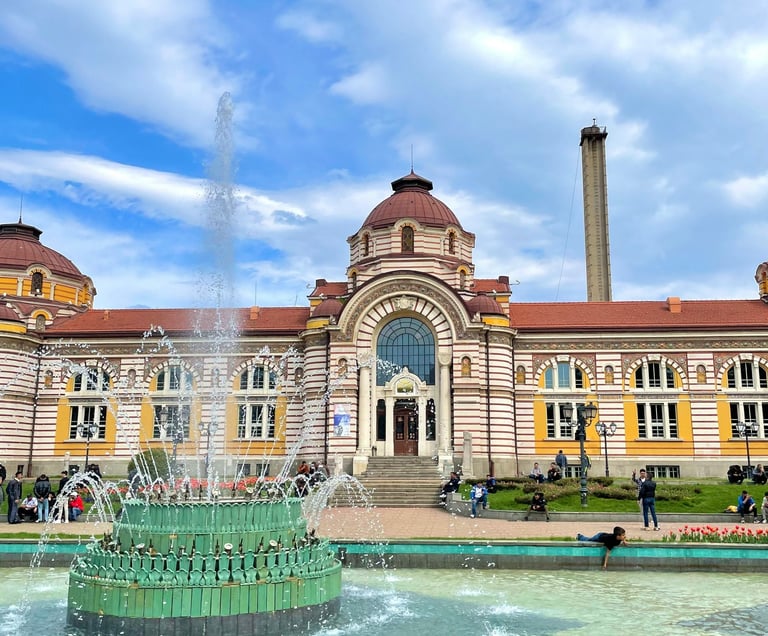
SOFIA SYNAGOGUE
It is one of the largest synagogues in Europe and the largest in the Balkans.
Opened in 1909 for the city’s Jewish community, the building features a Neo-Moorish architectural style with Venetian influences. Inside, visitors can admire a large bronze chandelier, one of the biggest on the continent.
The synagogue also houses a Jewish museum and represents an important historical and cultural symbol of Sofia.
ST.NEDELYA CATHEDRAL
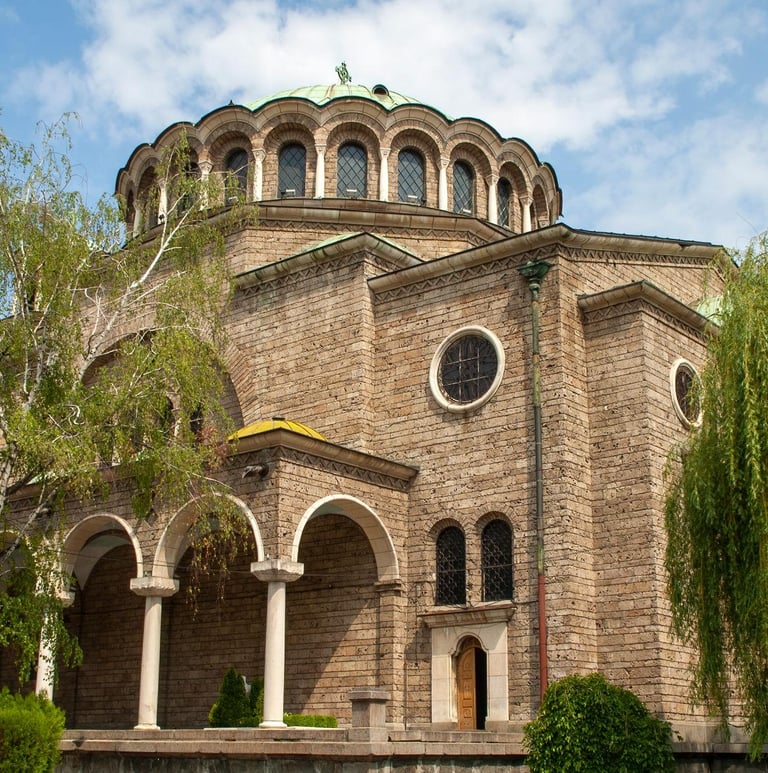
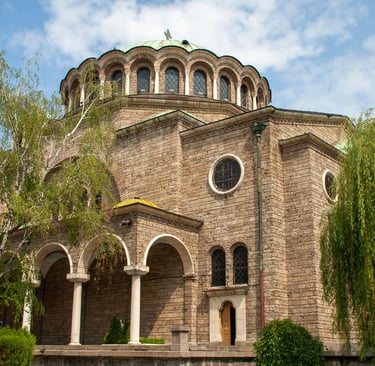
St. Nedelya Cathedral is located in the center of Sofia and is one of the city’s most important Orthodox churches. The current building was constructed between the late 19th and early 20th centuries, although churches had existed on the same site since the Middle Ages.
The cathedral is dedicated to Saint Nedelya, a Christian martyr highly revered in the Orthodox tradition.
In 1925, the cathedral was severely damaged during the St. Nedelya Church assault, when an explosion occurred during an official funeral ceremony. The attack caused many casualties and deeply affected Bulgarian history. After this tragic event, the church was restored and rebuilt.
Today, the cathedral is an important place of worship and a significant historical and religious symbol of the Bulgarian capital. Its architecture is characterized by a large central dome, dark brick walls, and an interior decorated with traditional Orthodox icons and frescoes.
OPENING HOURS
Every day: 7:00 AM – 7:00 PM
ADMISSION
Entry to the cathedral is free.
A small fee of around 5 BGN (approximately €2.50) applies if you wish to take photographs inside.
THE STATUE OF SAINT SOFIA
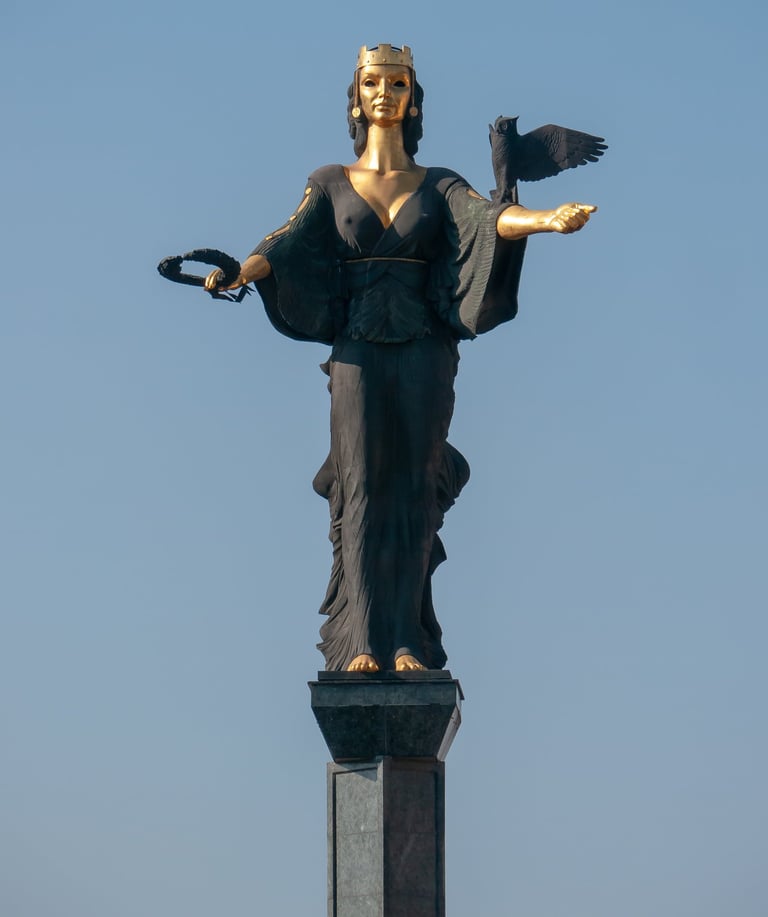
The Statue of Saint Sofia is a modern monument located in the center of Sofia, the capital of Bulgaria.
It stands on a high pedestal at the site where a statue of Lenin once stood. The monument was inaugurated in 2000 as a symbol of the city’s new identity.
The figure represents Saint Sofia, the personification of wisdom, rather than a traditional Christian saint. In her hands, she holds a laurel wreath and an owl, symbols of knowledge and fame.
Made of bronze, the statue reaches a total height of around 24 meters. It is one of the most recognizable symbols of contemporary Sofia.
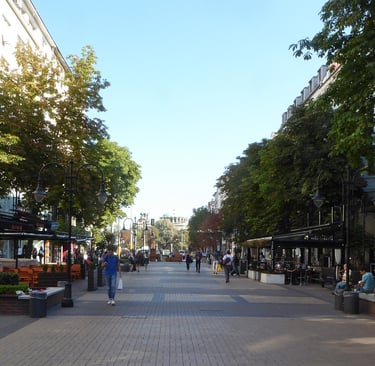
VITOSHA BOULEVARD
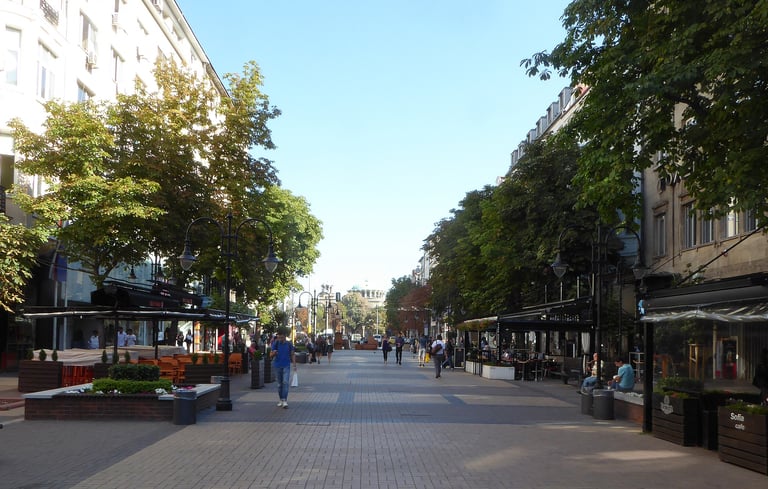
Vitosha Boulevard is the main shopping street and social hub of Sofia, Bulgaria.
It stretches from the city center towards the foothills of Mount Vitosha and is famous for its fashion stores, cafés, restaurants, and outdoor bars. Along the boulevard, visitors can also find historic hotels and art galleries.
The street is a popular meeting place for both locals and tourists. It is the perfect spot for a walk, shopping, and experiencing the vibrant urban atmosphere of Sofia.
During holidays and special events, the boulevard is often decorated with lights and hosts cultural activities.
DAY 2
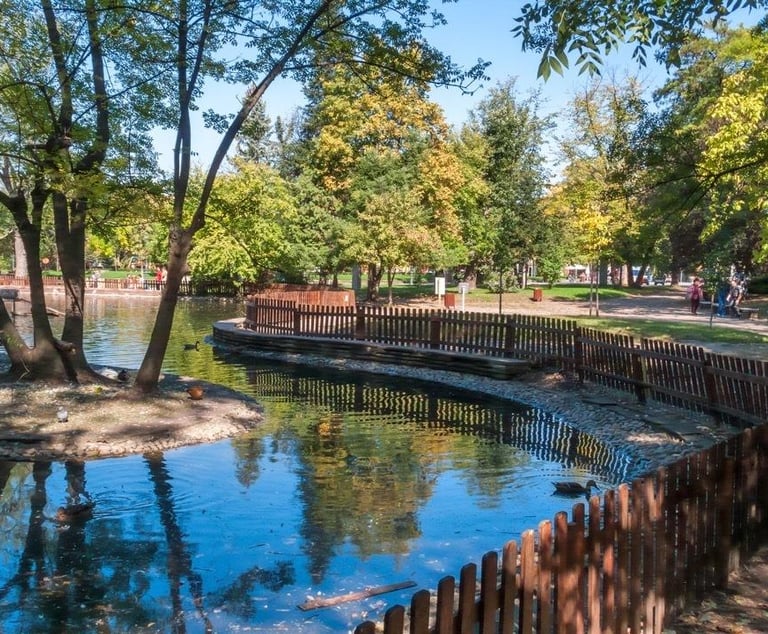
BORISOVA GRADINA PARK
Borisova Gradina is the largest and most important park in Sofia, and one of the city’s most beloved places among both locals and visitors. Created at the end of the 19th century, it has gradually developed into a vast green area where nature, sports, and leisure come together.
The park is extensive and crossed by long tree-lined avenues, perfect for walking, jogging, or cycling. Inside, visitors can also find lakes, relaxing areas, and several sports facilities, including the Vasil Levski National Stadium.
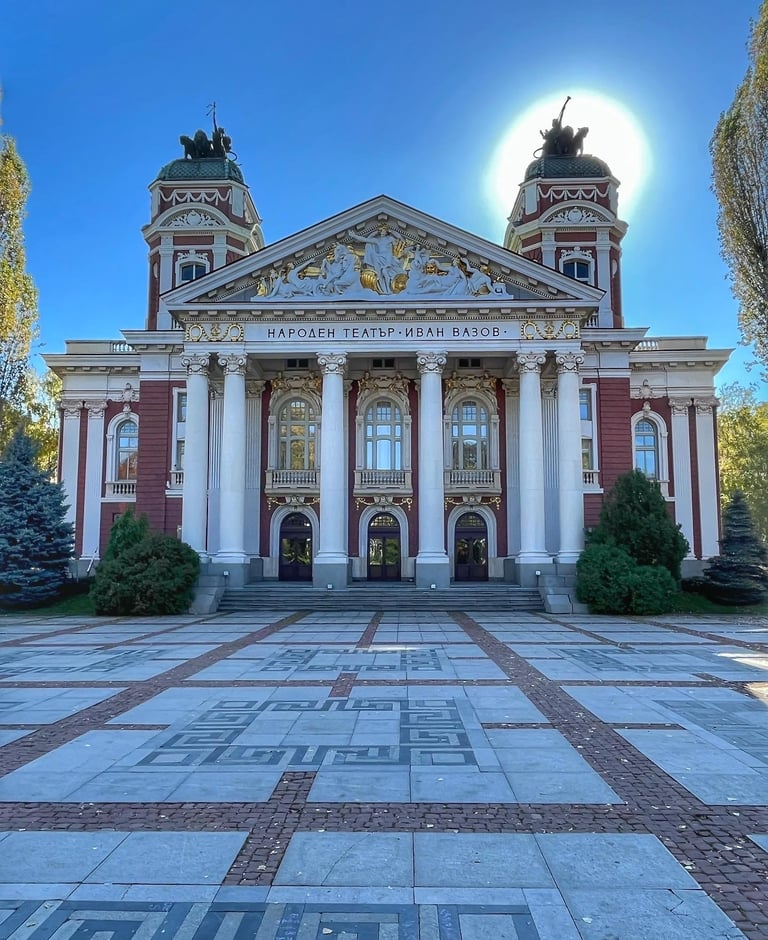
IVAN VAZOV NATIONAL THEATRE
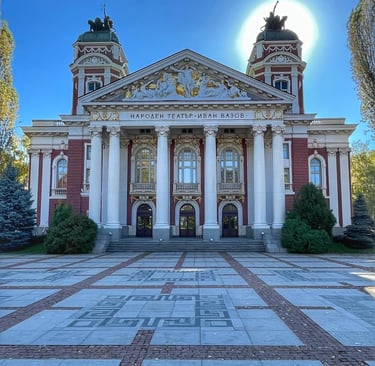
The Ivan Vazov National Theatre is the most important theatrical institution in Bulgaria.
Located in the heart of Sofia, in front of the City Garden, it is one of the city’s most iconic landmarks. The theatre is named after Ivan Vazov, considered the father of modern Bulgarian literature.
Opened in 1907 and rebuilt after a fire in the 1920s, the building features a Neoclassical architectural style with columns, a grand pediment, and monumental decorative elements.
The theatre hosts classical plays, modern dramas, and contemporary Bulgarian productions. It represents a powerful symbol of Bulgarian culture, history, and national identity.
TICKET OFFICE OPENING HOURS
Monday – Friday: 9:30 AM – 7:30 PM
Saturday and Sunday: Generally 10:00 AM – 2:00 PM (subject to changes on public holidays)
PERFORMANCES
Show times: Performances usually start in the evening, around 7:00 PM or 7:30 PM.
Language: Most theatre performances are presented in Bulgarian.
NATIONAL PALACE OF CULTURE
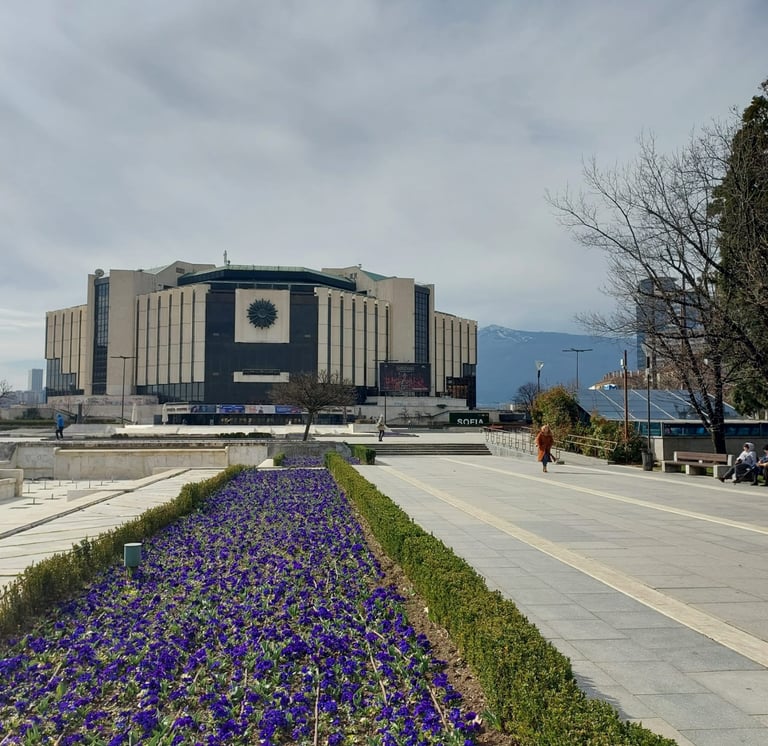
It was inaugurated in 1981 to celebrate the 1,300th anniversary of the Bulgarian state.
The building features a monumental and contemporary architectural style, very different from the historic architecture of the city center. Inside, it contains numerous halls for concerts, conferences, performances, and exhibitions.
It hosts international events, festivals, congresses, and important cultural activities.
The building is a symbol of Sofia’s modern cultural life and its role as a European city.

Email:
info@odysseytravel.it
+39 3270120054
Telefono:
Seguimi
ODYSSEY TRAVEL
EXPLORE THE WORLD
Authentic itineraries
Information
Contact