



SIVIGLIA
Seville is the capital of Andalusia, renowned for its rich history, vibrant culture, and stunning architecture. Among its most iconic landmarks are the Seville Cathedral, the Giralda, the Torre del Oro, and the magnificent Plaza de España. The charming neighborhoods of Santa Cruz and Triana invite visitors to explore their narrow streets, picturesque courtyards, and deep-rooted traditions, including the art of flamenco.
The city comes alive during world-famous celebrations such as Semana Santa (Holy Week) and the Feria de Abril (April Fair), when music, dance, and local customs fill the streets. A stroll through Seville offers the perfect opportunity to immerse yourself in the art, history, and authentic spirit of Andalusian culture.

ITINERARIO 3 GIORNI
DAY 1
THE SEVILLE CATTHEDRAL
The Seville Cathedral, officially known as the Cathedral of Saint Mary of the See, is located in the heart of Seville’s historic center, Spain. It is the largest Gothic cathedral in the world and the third-largest church overall.
Built between 1401 and 1506 on the site of a former Almohad mosque, the cathedral is best known for La Giralda, the city's iconic bell tower, which was originally constructed as a minaret. Inside, visitors can admire its magnificent altarpieces, richly decorated chapels, and an impressive collection of religious artwork.
The cathedral is also home to the tomb of Christopher Columbus, along with the resting places of several other historical figures. Recognized as a UNESCO World Heritage Site, it is one of Seville’s most important landmarks and a must-visit for anyone exploring the city.


LA GIRALDA
La Giralda is the iconic bell tower of Seville Cathedral and one of the city's most recognizable landmarks. Originally built between 1184 and 1198 as the minaret of the Great Almohad Mosque, it was later converted into a bell tower following the Christian Reconquest, with the elegant Renaissance upper section added in the 16th century.
Standing approximately 104 meters (341 feet) tall, La Giralda dominates Seville’s skyline and is a symbol of the city’s rich cultural heritage. Unlike most bell towers, visitors reach the top via a series of gently sloping ramps rather than stairs, originally designed to allow riders on horseback to ascend the tower.
From the summit, visitors are rewarded with breathtaking panoramic views of Seville, including its historic center and the Guadalquivir River. Together with Seville Cathedral, La Giralda is part of the UNESCO World Heritage Site, making it one of the city's most treasured attractions.


Opening Hours (Seville Cathedral & La Giralda)
Monday – Saturday: 11:00 AM – 7:00 PM
Sunday: 2:30 PM – 7:00 PM
Note: The ticket office closes one hour before the monument closes.
Ticket Prices (Seville Cathedral & La Giralda)
Standard Ticket (Online): €13.00
Standard Ticket (On-site): €14.00
Reduced Ticket (Seniors / Students under 25): €7.00 online / €8.00 on-site
Free Admission: Seville residents, children under 14 accompanied by an adult, and visitors with disabilities.
Free Visit (Sunday): Available from 4:30 PM to 6:00 PM, with advance online reservation required.
BARRIO DE SANTA CRUZ
Santa Cruz is Seville’s historic and most famous neighborhood, located in the heart of the city. It developed around the former medieval Jewish quarter (Judería) and is renowned for its charming maze of narrow cobblestone streets, picturesque squares, and flower-filled courtyards.
The district is characterized by its whitewashed houses, wrought-iron balconies, and vibrant plants, creating one of the most atmospheric areas in Seville. It is also home to some of the city's most iconic landmarks, including Seville Cathedral and the Royal Alcázar.
Filled with traditional restaurants, lively tapas bars, and artisan shops, Santa Cruz is the perfect place to wander, soak up the local atmosphere, and experience the rich history and culture of Seville.


PLAZA DE ESPAÑA
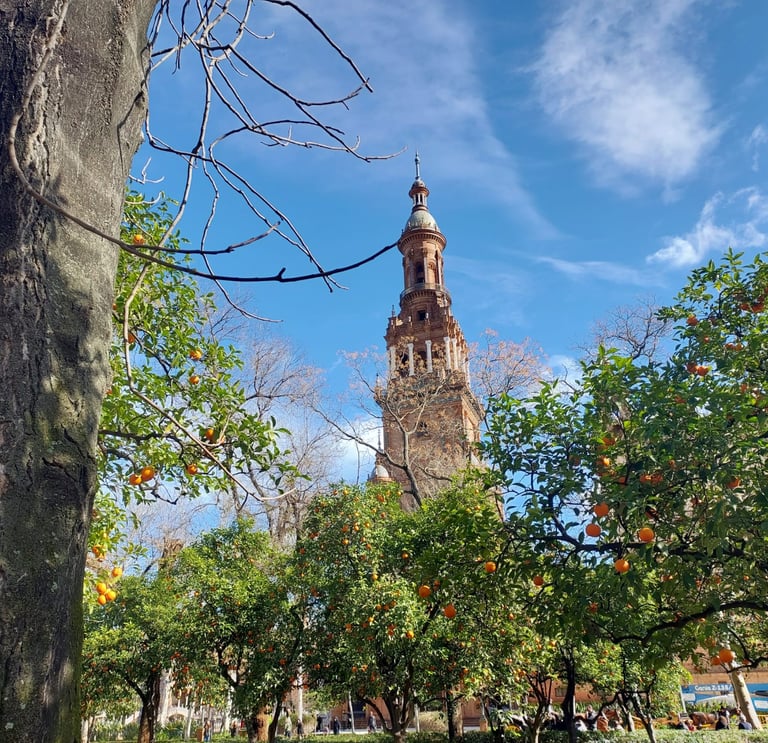
Plaza de España is one of Seville’s most iconic landmarks, located within the beautiful María Luisa Park. It was built for the 1929 Ibero-American Exposition and is considered one of the finest examples of Spanish Regionalist architecture.
The square features a magnificent semicircular layout, dominated by an impressive brick building adorned with colorful ceramic tiles. A canal runs along the front of the plaza, crossed by four elegant bridges that symbolize the ancient kingdoms of Spain.
One of Plaza de España’s most distinctive features is its beautifully decorated ceramic alcoves, each representing one of Spain’s provinces, making the square both unique and richly ornamental. Surrounded by lush gardens, fountains, and wide pedestrian walkways, it is the perfect place for a relaxing stroll and memorable photographs.
Thanks to its remarkable beauty, Plaza de España has also served as a filming location for several international movies and frequently hosts cultural events, making it one of Seville’s must-visit attractions.


MARIA LUISA PARK
María Luisa Park is Seville’s most famous green space, located in the south-central part of the city near the Guadalquivir River. Covering approximately 34 hectares (84 acres), it blends Romantic, Moorish, and Spanish Regionalist garden styles, creating one of the most beautiful urban parks in Spain.
The park was donated to the city by Infanta María Luisa Fernanda of Bourbon in the early 20th century and quickly became a public space dedicated to leisure and culture. It is home to several of Seville’s most important landmarks, including Plaza de España, Plaza de América, the Archaeological Museum, and the Museum of Popular Arts and Traditions, all surrounded by lush gardens.
Throughout the park, visitors will find elegant fountains, decorative bridges, sculptures, exotic plants, and century-old palm trees, making it an ideal place for a leisurely walk, a picnic, a horse-drawn carriage ride, or a bike ride.
Combining nature, art, and history, María Luisa Park is one of Seville’s most iconic and beloved attractions, enjoyed by both visitors and locals alike
DAY 2
ALCAZAR
The Royal Alcázar of Seville is one of the finest examples of Mudéjar architecture in Spain, blending Islamic, Gothic, Renaissance, and Baroque influences into a truly remarkable palace complex.
Originally built in the 10th century as a fortified residence for Muslim rulers, it was expanded and transformed by the Christian monarchs following the Reconquista. Inside, visitors can admire beautifully decorated courtyards, elegant fountains, intricate tilework, graceful arches, and richly ornamented halls that reflect the artistic heritage of the different civilizations that shaped the palace over the centuries.
The Alcázar Gardens are equally spectacular, featuring shaded pathways, exotic plants, peaceful ponds, fountains, and ornamental water features that create a tranquil oasis in the heart of the city.
To this day, the Royal Alcázar remains the official residence of the Spanish royal family whenever they visit Seville. Recognized as a UNESCO World Heritage Site, it is widely regarded as one of the city's most impressive and unmissable attractions.


Opening Hours (2026)
High Season (April – September): 9:30 AM – 7:00 PM
Low Season (October – March): 9:30 AM – 5:00 PM
Closed on: January 1, January 6, Good Friday, and December 25.
Admission Fees (Approximate)
Standard Ticket: €15.50
Reduced Ticket: €8.00 (Students aged 14–30 and seniors aged 65+).
Cuarto Real Alto (Royal Upper Rooms): Additional €5.50
Free Admission: Children under 16, and people born in or officially residing in Seville.
Free Admission
Visitors can enter free of charge every Monday during the final hour of opening, provided they reserve their ticket online in advance. A €1 online booking fee applies.
EL ARENAL
El Arenal is one of Seville’s most historic neighborhoods, located along the banks of the Guadalquivir River. Once the city’s bustling port and commercial district, it played a vital role during Spain’s Golden Age, serving as the main hub for trade with the Americas.
Today, El Arenal retains its vibrant atmosphere, with narrow streets, charming squares, and traditional Andalusian architecture. The neighborhood is best known for its proximity to the Plaza de Toros de la Real Maestranza, one of Spain’s most prestigious and historic bullrings.
The area is also home to a wide variety of traditional restaurants, lively tapas bars, and authentic flamenco venues, making it one of the best places to experience Seville after sunset. Combining history, culture, gastronomy, and nightlife, El Arenal is an essential stop for anyone looking to discover the authentic spirit of Seville.


CASA DE PILATOS
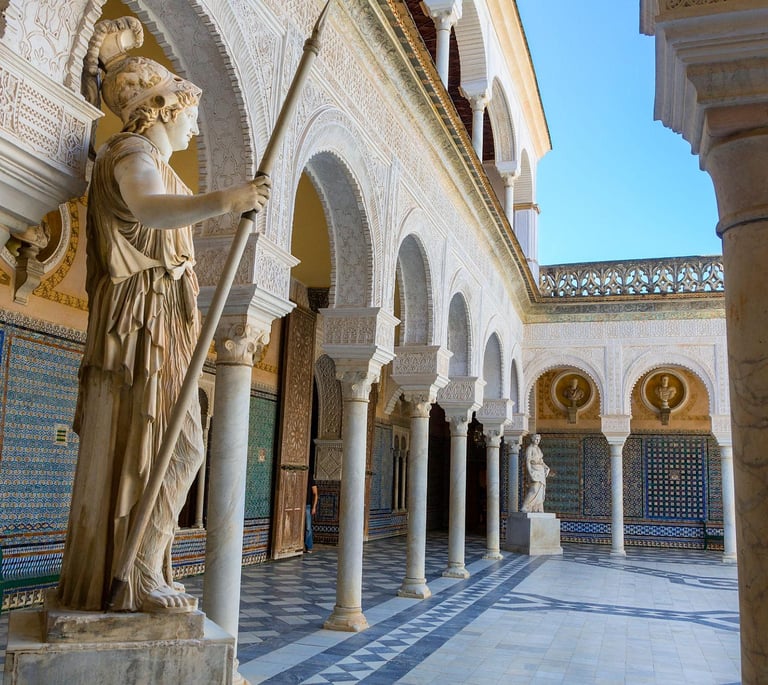
Casa de Pilatos is one of Seville’s most beautiful landmarks and a must-visit for anyone who appreciates elegant courtyards, tranquil gardens, fountains, and classic Andalusian architecture. Its peaceful atmosphere offers a welcome escape from the city's busiest tourist areas.
Blending Mudéjar, Gothic, and Renaissance styles, the palace is filled with intricate Moorish details, colorful ceramic tiles, lush gardens, and beautifully decorated rooms. I highly recommend visiting Casa de Pilatos to discover one of Seville’s most authentic and enchanting hidden gems.
Opening Hours
March – September: 9:00 AM – 7:00 PM
October – February: 9:00 AM – 6:00 PM
Last admission: 1 hour before closing.
Ticket Prices
Full Palace Ticket (Ground Floor + Upper Floor): €12.00
Ground Floor Only: €10.00
An Italian audio guide is included with all admission tickets.
LA SETA
Metropol Parasol, commonly known as "Las Setas" (The Mushrooms), is one of Seville’s most distinctive modern landmarks. Located in Plaza de la Encarnación, this striking wooden structure was designed by German architect Jürgen Mayer and completed in 2011.
Its unique mushroom-shaped design has made it an icon of contemporary architecture. The complex houses a covered market, restaurants, cafés, exhibition spaces, and archaeological remains beneath the structure.
At the top, visitors can walk along an elevated panoramic walkway that offers spectacular views over Seville’s skyline. Whether visited during the day or after sunset, the combination of its futuristic design and impressive lighting creates a truly memorable experience.
Today, Las Setas is regarded as a symbol of modern Seville, perfectly blending innovative architecture with the city's vibrant urban life.


DAY 3
PLAZA DE TOROS DE LA MAESTRANZA
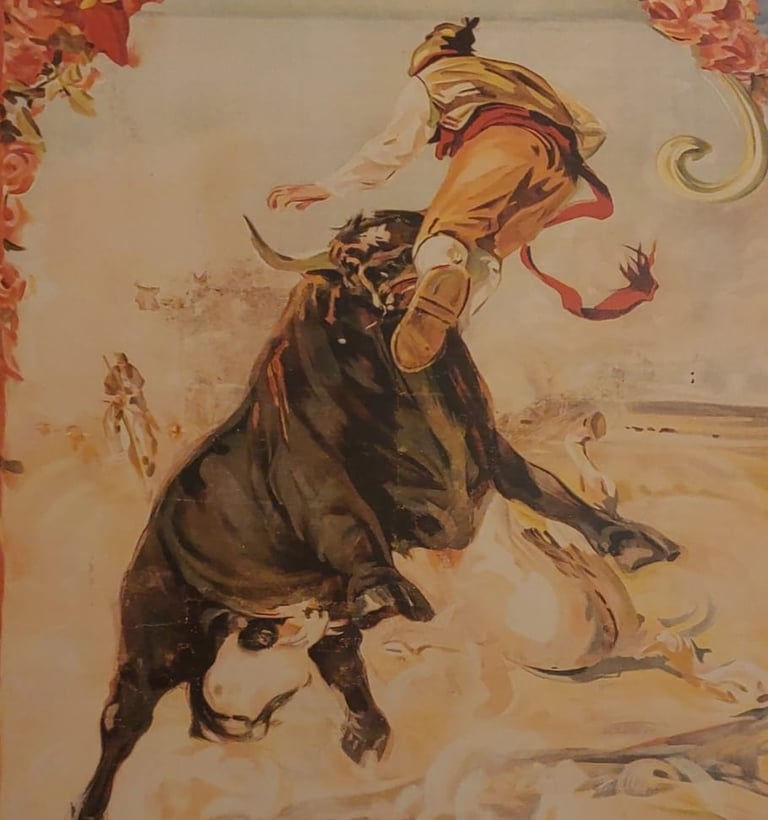
The Plaza de Toros de la Maestranza is one of the most prestigious and historically significant bullrings in Spain. Built in the 18th century in the Baroque style, it is renowned for its elegant white-and-gold façade and beautifully decorated architecture.
The arena can accommodate approximately 12,000 spectators and features a wealth of historic details, including graceful arcades, traditional balconies, and rooms dedicated to the history of bullfighting and its most celebrated matadors. Its harmonious blend of architectural elegance and functional design has made it one of the finest bullrings in the world.
Today, the Plaza de Toros de la Maestranza stands as an important symbol of Spain’s cultural heritage, attracting visitors who wish to explore the history, architecture, and traditions surrounding the art of bullfighting.
TORRE DELL'ORO
The Torre del Oro is one of Seville’s most iconic landmarks, standing proudly along the banks of the Guadalquivir River. Built in the 13th century during the Almohad period, it originally served as a watchtower and defensive structure protecting the city and its river access.
Its name, which means "Tower of Gold," is believed to derive from the golden reflections created by its original exterior coating or by the sunlight shimmering on the river. The tower features a distinctive cylindrical design and consists of three levels, each added during different historical periods.
Today, the Torre del Oro houses a small Maritime Museum, where visitors can learn about Seville’s rich naval history and the vital role the Guadalquivir River played in the city's development and trade.
As one of Seville’s most recognizable symbols, the Torre del Oro is a must-visit attraction, offering a fascinating glimpse into the city's past and providing the perfect starting point for a scenic stroll along the riverfront.


TRIANA BRIDGE


The Triana Bridge is one of Seville’s most iconic landmarks and a place I highly recommend visiting, especially at sunset. Crossing the bridge takes you into the vibrant Triana neighborhood, one of the city's most authentic and characterful districts.
The bridge offers beautiful views over the Guadalquivir River, creating the perfect setting for a leisurely walk while soaking in Seville’s unique atmosphere. Whether you're heading to Triana to explore its charming streets, enjoy traditional tapas, or simply admire the riverside scenery, this is an experience not to be missed during your visit to Seville.
MERCADO DE TRIANA
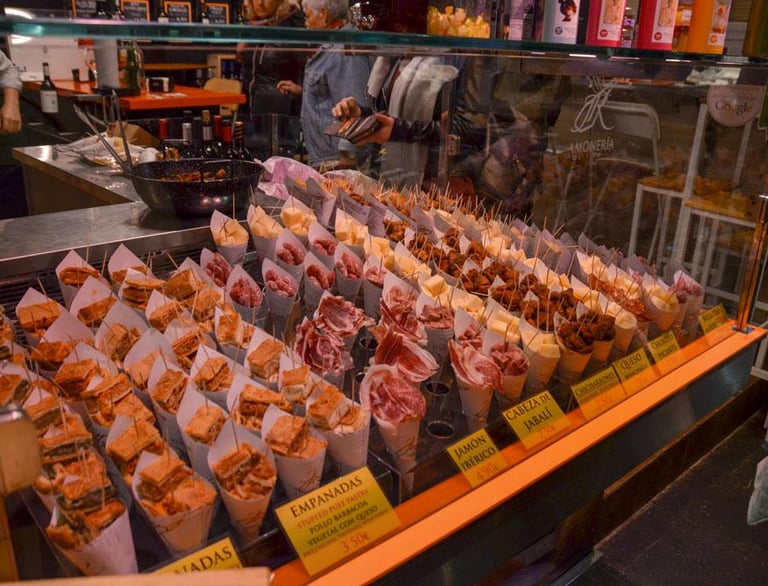
Mercado de Triana is one of the best places to stop for a bite to eat while experiencing a more authentic side of Seville. Filled with traditional tapas bars, local produce, and small family-run eateries, the market offers a true taste of Andalusian cuisine in a lively and welcoming atmosphere.
Whether you're looking for a quick snack or a leisurely lunch, Mercado de Triana is the perfect place to take a break while exploring the charming neighborhood of Triana.
Opening Hours
Market Stalls & Traditional Food Shops
Monday – Saturday: 9:00 AM – 3:00 PM
Sundays & Public Holidays: Closed
Restaurants & Tapas Area
Monday – Saturday: 9:00 AM – 5:00 PM and 6:00 PM – Midnight
Sundays & Public Holidays: 10:00 AM – 5:00 PM
GUADALQUIVIR RIVER
A cruise along the Guadalquivir River is one of the experiences I highly recommend in Seville, especially if you want to see the city from a different and more relaxing perspective. As you glide along the river, you'll enjoy beautiful views of the city's iconic bridges, historic landmarks, and some of Seville’s most picturesque neighborhoods.
It's an ideal activity at sunset or on warm summer days, offering the perfect opportunity to take a break from sightseeing on foot while enjoying the city at a slower pace. Simple yet memorable, a Guadalquivir River cruise is a wonderful way to experience Seville from a unique perspective.

TAPAS AND FLAMENGO
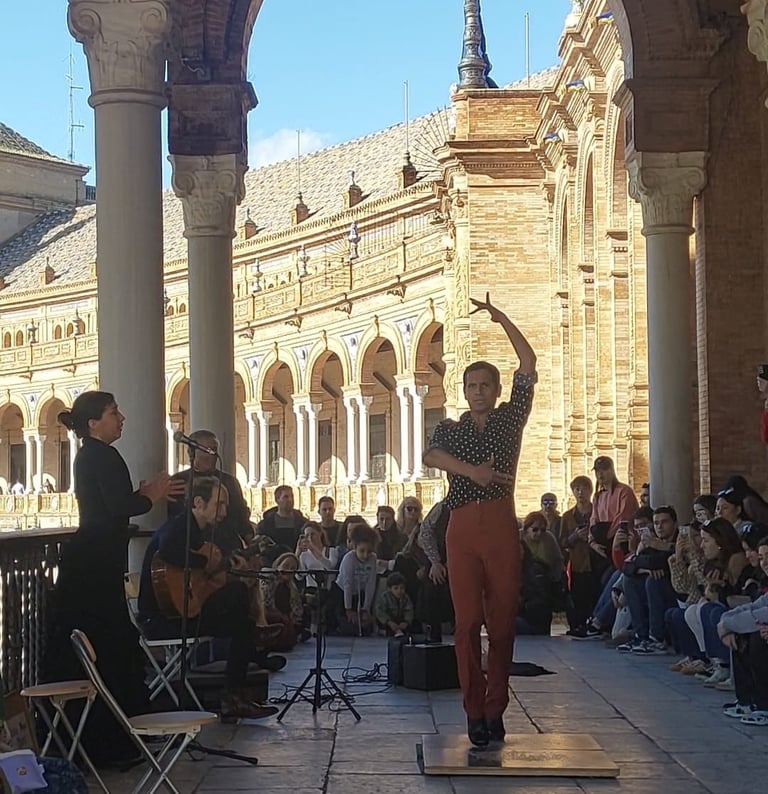
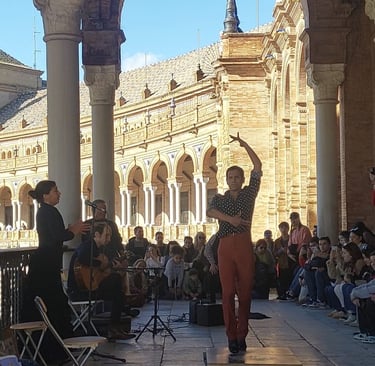
An evening of tapas and flamenco is one of the experiences I recommend most in Seville, as it offers the perfect way to immerse yourself in the city's authentic atmosphere. From traditional taverns and live music to delicious Andalusian cuisine, every corner of Seville comes alive with energy after sunset.
Some of the best areas to spend the evening are around Santa Cruz and the streets leading toward Plaza de España, where you'll find an excellent selection of restaurants, tapas bars, and authentic flamenco venues. After dinner, a leisurely stroll through Seville’s beautifully illuminated streets makes the experience even more memorable.
Watching flamenco performed live is something truly special. The passion, emotion, and intensity of the music and dance are impossible to capture through videos or typical tourist performances. It’s an unforgettable experience for anyone looking to discover the true soul of Seville and create lasting memories of their trip.

COSA SONO LE TAPAS?


Tapas are small dishes that are a cornerstone of Spanish cuisine, perfect for sharing as an appetizer or light meal. They can be served hot or cold and feature a wide variety of ingredients, including meat, seafood, vegetables, and cheeses.
In Seville, some of the most popular tapas include patatas bravas (crispy potatoes served with a spicy sauce), tortilla de patatas (Spanish potato and onion omelette), jamón ibérico (premium cured Iberian ham), gambas al ajillo (garlic shrimp), and croquetas (crispy, creamy croquettes with various fillings).
Tapas are traditionally enjoyed with a glass of Spanish wine or a cold beer in one of the city's many tapas bars, offering visitors an authentic taste of Andalusian gastronomy and local culture.

Email:
info@odysseytravel.it
+39 3270120054
Telefono:
Seguimi
ODYSSEY TRAVEL
EXPLORE THE WORLD
Authentic itineraries
Information
Contact