



LISBONA
Lisbon is a city that captures your heart from the very first moment. Its rolling hills offer breathtaking views, especially from the Miradouro da Senhora do Monte. Baixa is the city's vibrant heart, home to the lively Praça do Comércio and the iconic Arco da Rua Augusta, which leads directly to the waterfront. Don't miss Bairro Alto, where you can experience the authentic atmosphere of Fado music. For another unforgettable panorama, head up to São Jorge Castle, which overlooks the city's rooftops and the Tagus River. Finally, if you're looking for a more contemporary side of Lisbon, Parque das Nações offers modern architecture, spacious promenades, and a pleasant riverside setting that's perfect for a relaxing walk.

ITINERARIO 3 GIORNI
GIORNO 1
PRAÇA DO COMÉRCIO


Praça do Comércio is Lisbon's most iconic square, located directly on the banks of the Tagus River. This vast open space is surrounded by elegant yellow arcaded buildings that once housed government offices and served as the city's commercial hub. At its center stands the equestrian statue of King José I, while the impressive Arco da Rua Augusta marks the entrance to the Baixa district.
Throughout history, the square has hosted public events and celebrations, and today it is a lively gathering place filled with cafés, restaurants, and street performers. A stroll through Praça do Comércio offers beautiful river views, countless photo opportunities, and an ideal starting point for exploring Lisbon's historic center, including the Baixa, Chiado, and Alfama districts on foot.
ARCO RUA AUGUSTA


The Arco da Rua Augusta is the imposing triumphal arch located in Praça do Comércio, marking the entrance to Baixa, Lisbon's historic downtown. Built after the devastating 1755 earthquake to symbolize the city's rebirth, it is adorned with statues of prominent Portuguese historical figures, including Vasco da Gama and the poet Luís de Camões.
Inside the arch, an elevator takes visitors to a panoramic viewing terrace, offering breathtaking views over Praça do Comércio, the Tagus River, and the streets of central Lisbon. Today, the arch is one of the city's most recognizable landmarks and a must-visit attraction for sightseeing, photography, and exploring the historic heart of Lisbon.
ELEVADOR DE SANTA JUSTA
The Santa Justa Lift is a historic elevator located in Lisbon's Baixa district. It connects the lower part of the city, known as Baixa, with the higher Bairro Alto district, making it easier to overcome the city's steep elevation.
Opened in 1902, it was designed by engineer Raoul Mesnier de Ponsard, a student of Gustave Eiffel. The lift is built entirely of iron and features elegant Neo-Gothic architectural details. Originally powered by steam, it was converted to electricity in 1907.
At the top, visitors can access a panoramic viewing platform that offers spectacular views of Lisbon, the Tagus River, and the city's rooftops. Today, the Santa Justa Lift is both a popular tourist attraction and a practical means of transportation between these two historic neighborhoods.


CHIADO
Chiado is one of Lisbon's most elegant and historic neighborhoods, located between Baixa and Bairro Alto. Its charming streets are lined with historic cafés, such as A Brasileira, traditional bookstores, and stylish designer boutiques. For centuries, Chiado has been a cultural and intellectual hub, frequented by renowned poets and artists, including Fernando Pessoa.
In 1988, a devastating fire destroyed many of the district's historic buildings, but the area was carefully restored while preserving its original charm. Today, Chiado is home to historic theaters such as the Teatro Nacional de São Carlos, as well as art galleries and museums, including the Museu do Chiado.
The neighborhood is also a lively gathering place for nightlife and cultural events, offering a perfect blend of tradition and modernity. From Chiado's squares and scenic viewpoints, visitors can enjoy stunning views of the city, São Jorge Castle, and the Tagus River..
BAIRRO ALTO
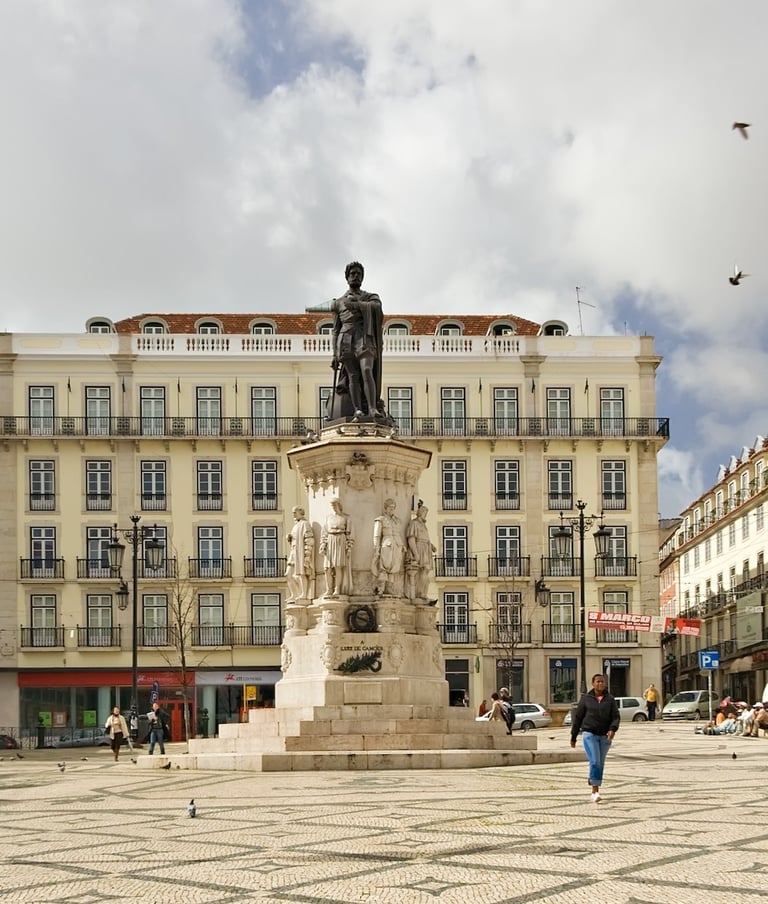
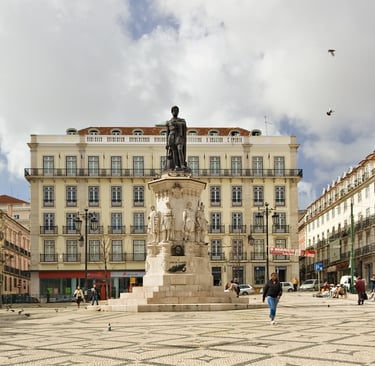
Its streets are narrow and lined with colorful houses featuring beautifully decorated balconies. During the day, Bairro Alto has a peaceful atmosphere, with charming shops, cafés, and small local boutiques. In the evening, however, it comes alive and becomes the heart of Lisbon's nightlife, filled with lively bars, restaurants, and live music.
Bairro Alto is also renowned for Fado, Portugal's traditional music, which can be enjoyed in several historic venues throughout the neighborhood. As you wander through its winding streets, you'll discover hidden squares and scenic viewpoints offering breathtaking views of the city.
With its unique blend of history, culture, and vibrant nightlife, Bairro Alto perfectly captures the spirit and charm of Lisbon


DAY 2
TRAM 28
Tram 28 is Lisbon's iconic yellow vintage tram and one of the city's most recognizable symbols. It winds its way through Lisbon's hills and historic neighborhoods, including Graça, Alfama, Baixa, and Chiado, offering unique views of narrow streets, charming alleys, and traditional architecture.
More than just a means of transportation, Tram 28 is a classic Lisbon experience and a great way to discover the city's local character while enjoying memorable photo opportunities. The full route takes approximately 40–50 minutes, but you can hop on and off at major stops to explore attractions such as Alfama, Lisbon Cathedral, and the Miradouro de Santa Luzia.
To avoid overcrowding, it's best to travel outside peak hours. You can purchase either a single ticket or a day pass, depending on your travel plans.


ALFAMA


Alfama is Lisbon's oldest neighborhood and still preserves its authentic, traditional character. Its narrow winding streets, steep hills, and tightly packed houses create a unique atmosphere that reflects the city's rich history. As you wander through its charming alleyways, you'll find balconies adorned with colorful laundry, picturesque squares, and traditional taverns where the soulful sounds of Fado, Portugal's iconic music, fill the air in the evenings.
Having survived the devastating 1755 earthquake, Alfama has retained much of its medieval layout and offers a fascinating glimpse into the daily life of its residents. From its terraces and scenic viewpoints, visitors can enjoy breathtaking views of the Tagus River and the city skyline.
Rich in history, culture, and local traditions, Alfama is widely considered the true heart and soul of Lisbon.
LISBON CATHEDRAL


Lisbon Cathedral, also known as the Sé de Lisboa, is the city's oldest cathedral and is located in the historic Alfama district. It was built in the 12th century following the Christian reconquest of Lisbon, which explains its simple, solid appearance, resembling a medieval fortress. Over the centuries, the cathedral suffered significant damage from several earthquakes but was repeatedly restored and rebuilt.
The building combines different architectural styles, with Romanesque and Gothic elements being the most prominent. Inside, the atmosphere is peaceful and understated, reflecting its long religious history. Today, the Sé de Lisboa remains one of Lisbon's most important historical and religious landmarks, offering visitors a fascinating glimpse into the city's rich cultural heritage.
Opening Hours and Ticket Details
Winter Season (October–March): Monday to Saturday, 10:00 AM – 6:00 PM
Summer Season (April–September): Monday to Saturday, 9:30 AM – 7:00 PM
Ticket Prices (Cathedral Only):
Adults: €5.00
Children (ages 7–12): €3.00
Children under 6: Free admission
Closed:
Sundays.
MONASTERO DI SÃO VICENTE DE FORA


The Monastery of São Vicente de Fora is one of Lisbon's most important landmarks and is located in the historic Alfama district, one of the city's oldest neighborhoods. Built in the 16th century, it immediately stands out for its impressive white façade and grand architectural design.
Inside, visitors can explore beautiful cloisters decorated with azulejos, Portugal's iconic hand-painted ceramic tiles, which depict fascinating historical and religious scenes. The monastery also holds great significance in Portuguese history, as it houses the royal pantheon of the House of Braganza, where several Portuguese kings are buried.
A visit to the Monastery of São Vicente de Fora is highly recommended, as it combines art, history, and a peaceful atmosphere. It also offers stunning panoramic views over Lisbon and the Tagus River, making it one of the city's most rewarding cultural attractions.
CHIESA DI SANTA ENGRÀCIA (PANTHEON)


The Church of Santa Engrácia, now known as the National Pantheon, is a monumental building of great historical and architectural significance. Construction began in the 17th century and took several centuries to complete, making it famous for its long and eventful history.
The building is distinguished by its impressive white dome and its elegant Baroque architecture, richly decorated with intricate details. Inside, visitors can admire spacious, beautifully designed interiors and the tombs of some of Portugal's most prominent historical figures, which is why the church was later designated as the National Pantheon.
Today, the National Pantheon is one of Lisbon's most important cultural landmarks. In addition to its historical importance, visitors can climb to the upper terraces, where they are rewarded with spectacular panoramic views of the city and the Tagus River.
Opening Hours
Summer Season (May–September): 10:00 AM – 6:00 PM (last admission at 5:40 PM)
Winter Season (October–April): 10:00 AM – 5:00 PM (last admission at 4:40 PM)
Closed:
Mondays, January 1, Easter Sunday, May 1, June 13 (Lisbon City Holiday), and December 25.Admission
Standard Ticket: From approximately €8
Discounted Tickets: Available for seniors (65+) and students.
Free Admission: Children up to 12 years old and holders of the Lisboa Card.
MIRADOURO DE SANTA LUZIA


The Miradouro de Santa Luzia is one of Lisbon's most beautiful and well-known viewpoints. Located in the historic Alfama district, it offers spectacular views of the neighborhood's red rooftops, narrow streets, and the Tagus River stretching across the city.
The viewpoint is especially charming, featuring a small garden, vibrant bougainvillea, and walls decorated with traditional azulejos, Portugal's iconic ceramic tiles. Its peaceful and relaxing atmosphere makes it the perfect place to take a break while exploring the city.
A visit to the Miradouro de Santa Luzia is highly recommended, as it provides one of the most picturesque panoramas in Lisbon and offers a tranquil escape in one of the city's oldest and most authentic neighborhoods.
CASTELLO SÃO JORGE


São Jorge Castle is one of Lisbon's most famous landmarks and stands atop the city's highest hill. Its privileged location offers breathtaking panoramic views of the historic center and the Tagus River. Originally built by the Moors in the 9th century, the castle was expanded and modified over the centuries by the Portuguese kings.
Its sturdy walls, defensive towers, and spacious courtyards preserve the appearance of a true medieval fortress. Today, visitors can walk along the ancient ramparts, explore the towers, and enjoy spectacular views across the city. The castle also houses archaeological remains and exhibitions that tell the story of Lisbon's rich past.
A visit to São Jorge Castle offers a fascinating journey through the city's history while providing some of the finest panoramic views in Lisbon, making it one of the capital's must-see attractions.
Opening Hours (Daily)
High Season (March–October): 9:00 AM – 9:00 PM
Low Season (November–February): 9:00 AM – 6:00 PM
Last Admission: 30 minutes before closing
Closed:
January 1, May 1, December 24, 25, and 31.
Admission Prices (approximate)
Adults: €15.00
Youth (ages 13–25): €7.50
Seniors (65+): €12.50
Children (under 12): Free
DAY 3
MONASTERO DOS JERÓNIMOS


Located in the Belém district, the Jerónimos Monastery was built in the 16th century to celebrate Portugal's Age of Discovery.
The monastery is renowned for its richly detailed architecture, featuring elegant cloisters and intricate stone carvings that showcase the beauty of the Manueline style. Inside, visitors can also see the tombs of some of Portugal's most important historical figures, including the explorer Vasco da Gama and the poet Luís de Camões.
BELEM TOWER


Belém Tower was built between 1514 and 1520 during the reign of King Manuel I as part of Lisbon's harbor defense system and to monitor maritime traffic along the Tagus River.
The tower is a masterpiece of Manueline architecture, the distinctive Portuguese style that flourished during the Age of Discovery. Its richly carved stone decorations feature elegant battlements and maritime motifs, including ropes, anchors, and other nautical symbols. The structure consists of a central tower with bastions and panoramic terraces, where cannons once stood to defend the city.
Over the centuries, Belém Tower has served many purposes, including as a lighthouse, a prison, and a symbol of Portuguese power. Inside, visitors can explore historic chambers, spiral staircases, and courtyards that preserve the atmosphere of the era.
From the upper terraces, breathtaking views stretch across the Tagus River, the waterfront, and the city of Lisbon. Today, Belém Tower is a UNESCO World Heritage Site and one of Portugal's most iconic landmarks, commemorating the great explorers who set sail from Lisbon to discover new worlds.
Opening Hours
Tuesday to Sunday: 9:30 AM – 5:30 PM
Closed:
Mondays, January 1, Easter Sunday, May 1, June 13, and December 25.
Admission
Adults: €8.00
Seniors (65+) and Youth (ages 13–24): 50% discount
Children under 12: Free admission
Free admission with the Lisboa Card
PONTE 25 DE ABRIL
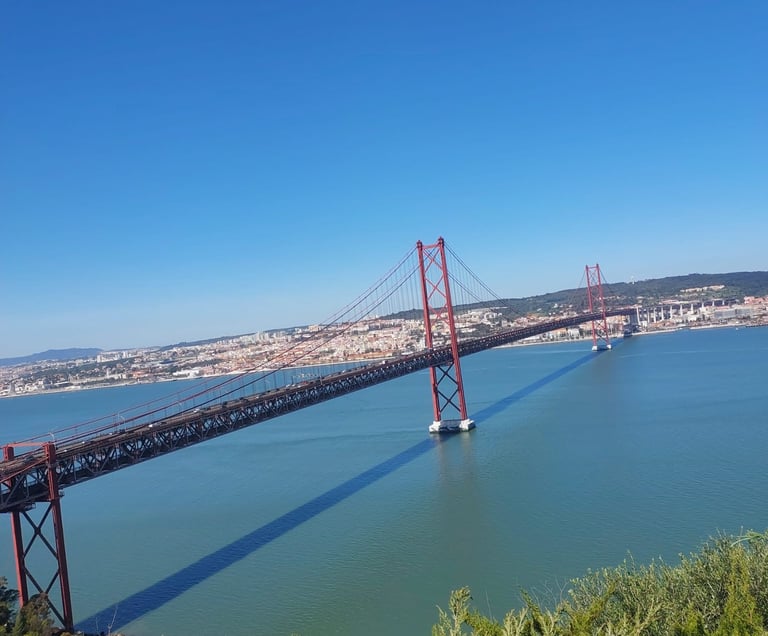
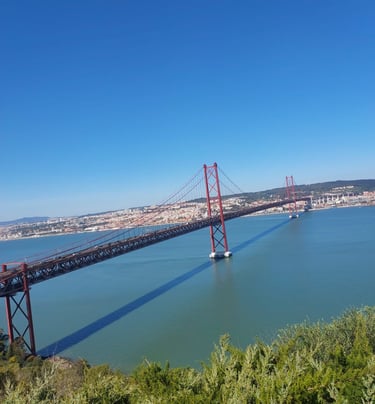
Opened in 1966, the bridge was originally named Ponte Salazar, but after the 25 April 1974 Revolution, it was renamed to celebrate the freedom achieved by Portugal. Its design strongly resembles the famous Golden Gate Bridge in San Francisco, with its long suspension span and distinctive red-orange color.
The bridge stretches for more than 2 kilometers and carries both road and railway traffic, making it a vital connection for the Lisbon metropolitan area. Its construction was a remarkable engineering achievement for its time, featuring tall towers and strong cables designed to withstand the powerful currents of the Tagus River.
From the water or from the surrounding hills, the bridge offers spectacular views of Lisbon, the river, and the Cristo Rei monument. Today, it is not only an important transportation link but also a symbol of Lisbon's modernity and urban transformation.
CRISTO REI
Cristo Rei is a monumental statue located on the southern bank of the Tagus River, opposite Lisbon, in the city of Almada. Inspired by the Christ the Redeemer statue in Rio de Janeiro, it was built as a gesture of gratitude to God for Portugal being spared the devastation of the Second World War.
The statue itself is approximately 28 meters tall and stands on an impressive 82-meter pedestal, making it visible from many parts of Lisbon. It was inaugurated in 1959 and has since become one of the region's most important religious and tourist landmarks.
Surrounding the monument is a panoramic viewpoint offering spectacular views of Lisbon, the Tagus River, and the 25 de Abril Bridge. Cristo Rei is a popular destination not only for its impressive size but also for the breathtaking scenery it provides over the Portuguese capital.
Its elevated position and the statue's open arms create a powerful symbol of protection, peace, and welcome towards the city of Lisbon.


IF YOU HAVE MORE DAYS AVAILABLE
TOUR SINTRA,PENA,REGALEIRA,CABO DA ROCA E CASCAIS

ESTÁDIO DA LUZ TOUR


Email:
info@odysseytravel.it
+39 3270120054
Telefono:
Seguimi
ODYSSEY TRAVEL
EXPLORE THE WORLD
Authentic itineraries
Information
Contact