



KRAKOV
Kraków is one of Poland's most beautiful and historic cities, renowned for its remarkably well-preserved Old Town. At its heart lies Rynek Główny, one of the largest medieval market squares in Europe, surrounded by elegant historic buildings, churches, cafés, and restaurants.
The city is home to Wawel Castle, a powerful symbol of Polish history, as well as the historic Jewish quarter of Kazimierz, known for its rich cultural heritage and vibrant atmosphere. Kraków is also the gateway to the Auschwitz-Birkenau Memorial and Museum, one of the world's most important sites of remembrance. With its fascinating history, stunning architecture, and medieval charm, Kraków offers visitors a unique glimpse into Poland's cultural heart and is a destination that leaves a lasting impression.

3 DAY ITINERARY
DAY 1
RYNEK GLÓWNY
Rynek Główny is the main square of Kraków and one of the largest medieval market squares in Europe. Designed in the 13th century, it has long been the vibrant heart of the city, serving as a gathering place for both locals and visitors.
At the center of the square stands the Cloth Hall (Sukiennice), a historic trading hall that has been transformed into a lively market and art gallery. The square is surrounded by magnificent historic buildings, Gothic landmarks such as St. Mary's Basilica, and numerous cafés with outdoor seating that create a lively and welcoming atmosphere.
Throughout the year, Rynek Główny hosts cultural events, seasonal markets, and traditional celebrations, preserving Kraków's rich history while making it one of the city's most vibrant and memorable places to visit.


ST.MARY'S BASILICA
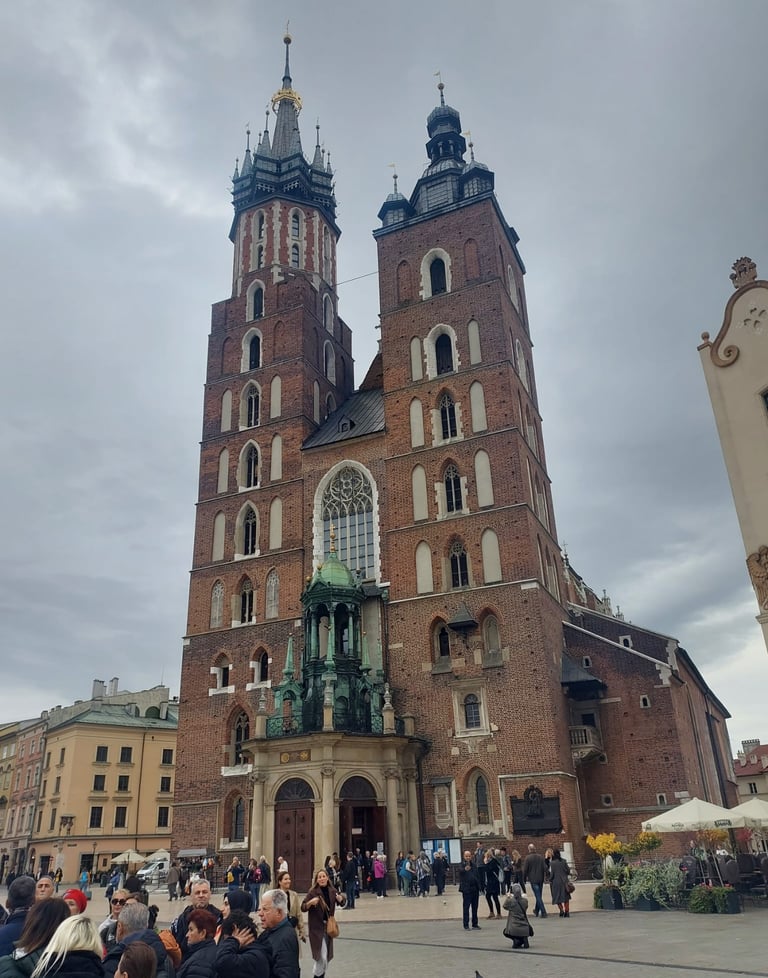
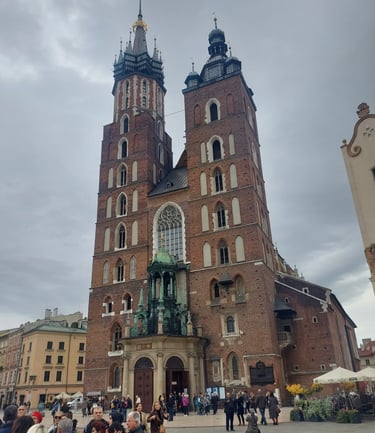
Built in the Gothic style between the 13th and 15th centuries, St. Mary's Basilica is renowned for its two asymmetrical towers that dominate Kraków's Main Market Square.
Inside, visitors can admire the magnificent high altar carved by Veit Stoss, a masterpiece of medieval art crafted from richly gilded wood. Every hour, the Hejnał Mariacki is played from the taller tower—a traditional trumpet call that commemorates an ancient warning signal once used to alert the city of approaching danger.
Today, the basilica remains an important place of worship and one of Kraków's most iconic landmarks, admired for its remarkable architecture, outstanding works of art, and deep connection to the city's history.
Opening Hours & Visitor Information
Opening of the Altarpiece: Every day at 11:50 AM, the magnificent Veit Stoss Altarpiece is unveiled. This is one of the highlights of the visit and is highly recommended.
Visiting Hours: Tourist visits generally begin between 11:00 AM and 12:00 PM and continue until the late afternoon. As opening times may vary, it is always advisable to check the official website before your visit.
Mass Services: Religious services are held throughout the day. During these times, sightseeing may be restricted, so it is best to check the schedule in advance.
Admission: There is an entrance fee for sightseeing, while access for prayer is free.
Visitor Tips
Book in Advance: To avoid long queues, especially during the high season, it is recommended to purchase your tickets online in advance.
THE TOWN HALL TOWER
The Town Hall Tower is located in the Main Market Square (Rynek Główny), at the heart of Kraków's Old Town. It is the only remaining part of the medieval Town Hall, which was demolished in the 19th century.
Dating back to the 14th century, the tower stands approximately 70 meters (230 feet) tall. Its architecture is primarily Gothic, with Renaissance elements added to the upper sections over the centuries.
Today, the tower houses a branch of the Museum of Kraków, where visitors can learn about the city's rich history. As one of Kraków's most recognizable landmarks, it stands as a lasting symbol of the city's medieval heritage and civic past.
SUKIENNICE
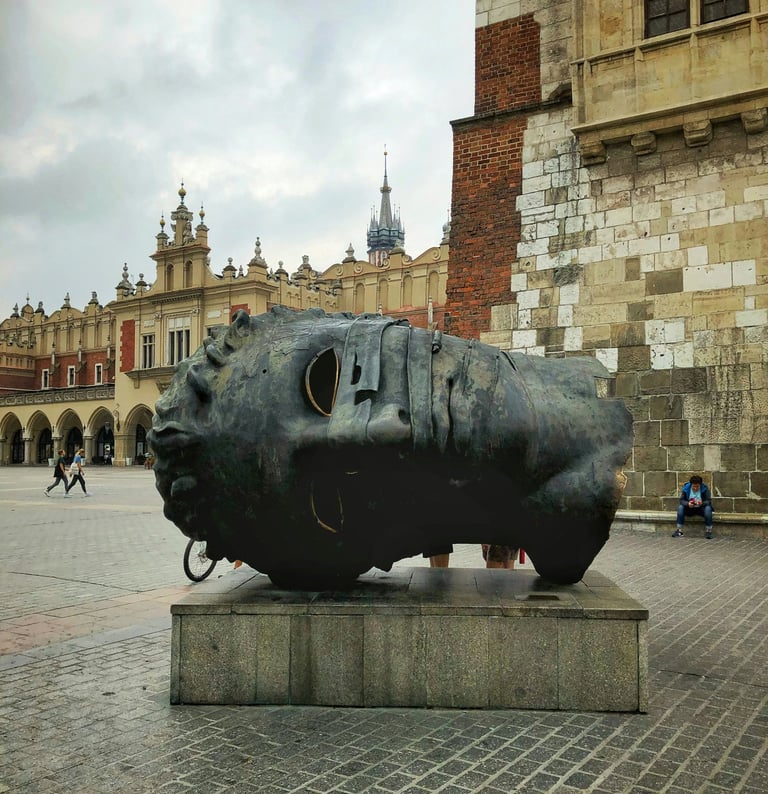
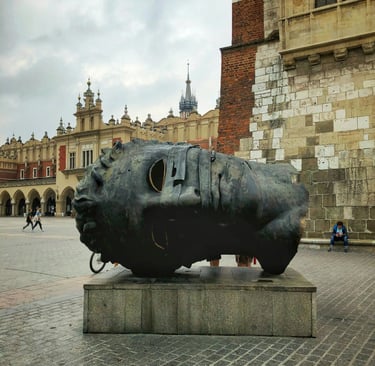
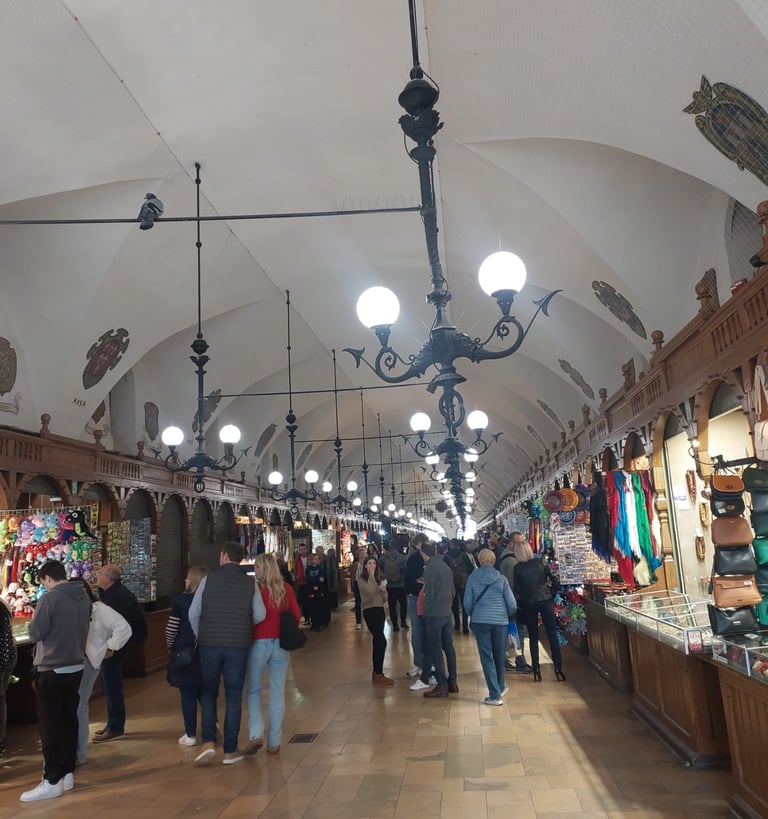
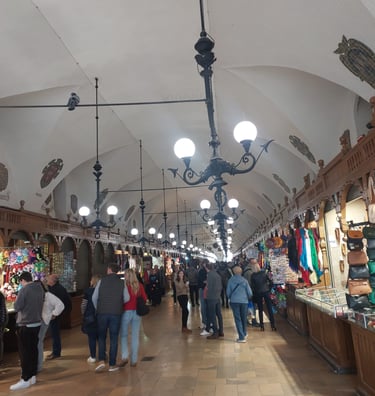
The Cloth Hall (Sukiennice) is one of the most iconic landmarks in Kraków's Main Market Square (Rynek Główny). Built in the 14th century, it originally served as a major trading center for textiles and spices, becoming one of the city's most important commercial hubs.
The building features a long rectangular design with elegant arcades and a covered walkway lined with shops and market stalls. Today, visitors can browse a wide variety of local handicrafts, souvenirs, amber jewelry, and traditional artwork. The upper floor is home to the Gallery of 19th-Century Polish Art, showcasing an impressive collection of paintings and sculptures.The Cloth Hall remains a symbol of Kraków's rich trading heritage and is one of the city's most important cultural and tourist attractions, offering the perfect blend of history, shopping, and art in the heart of the Old Town.
Opening Hours (typical)
Tuesday – Sunday: 10:00 AM – 6:00 PM
Monday: Closed
PLANTY PARK
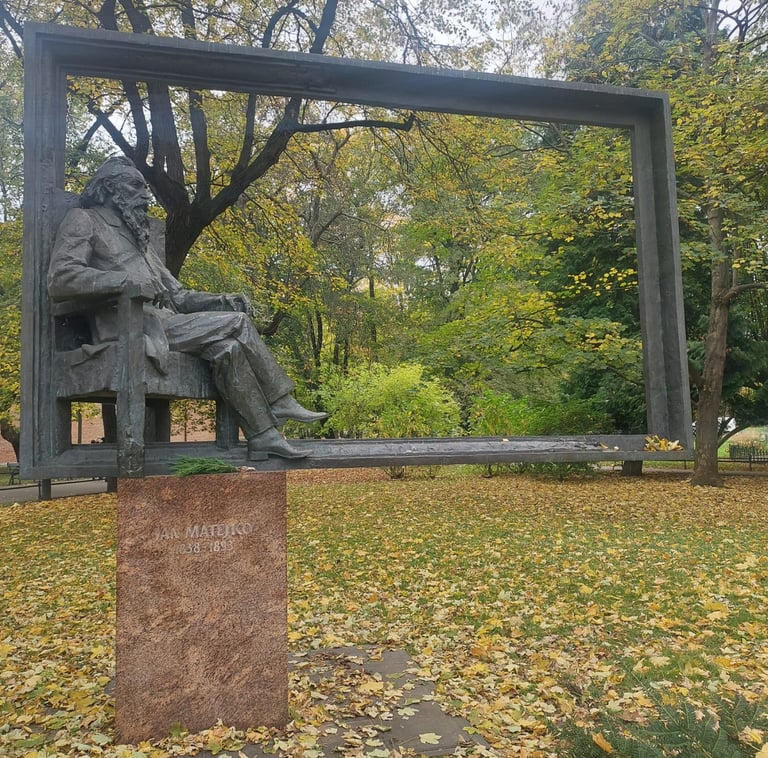
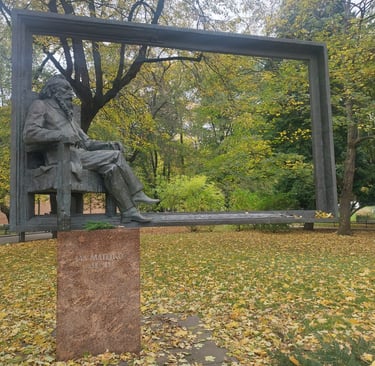
Planty Park is one of Kraków's most distinctive landmarks, a beautiful green park that completely encircles the city's historic Old Town. It occupies the site of the former medieval defensive walls, which were replaced by this peaceful ring of tree-lined paths, gardens, and benches.
It is the perfect place for a leisurely walk, as it connects many of the Old Town's most important attractions while providing a welcome escape from the busy streets. Along the way, you'll come across statues, charming gardens, and quiet corners that take on a different character with each season, making every visit a unique experience.
ST.FLORIAN'S GATE


St. Florian's Gate (Brama Floriańska) and the Kraków Barbican are two of the city's most important medieval defensive structures. Built in the 14th century, St. Florian's Gate served as the main entrance to the Old Town and formed part of the fortified walls that once surrounded Kraków. Its tall, imposing tower was designed to protect the city from invading forces.
Standing just outside the gate, the Barbican is a circular fortified outpost connected to the city walls. Its purpose was to slow down enemy attacks and provide an additional layer of defense for the entrance to the city. Together, these remarkable structures are among the few surviving remnants of Kraków's medieval fortifications and are now some of the city's most fascinating historical attractions, offering visitors a glimpse into its rich military and architectural heritage.
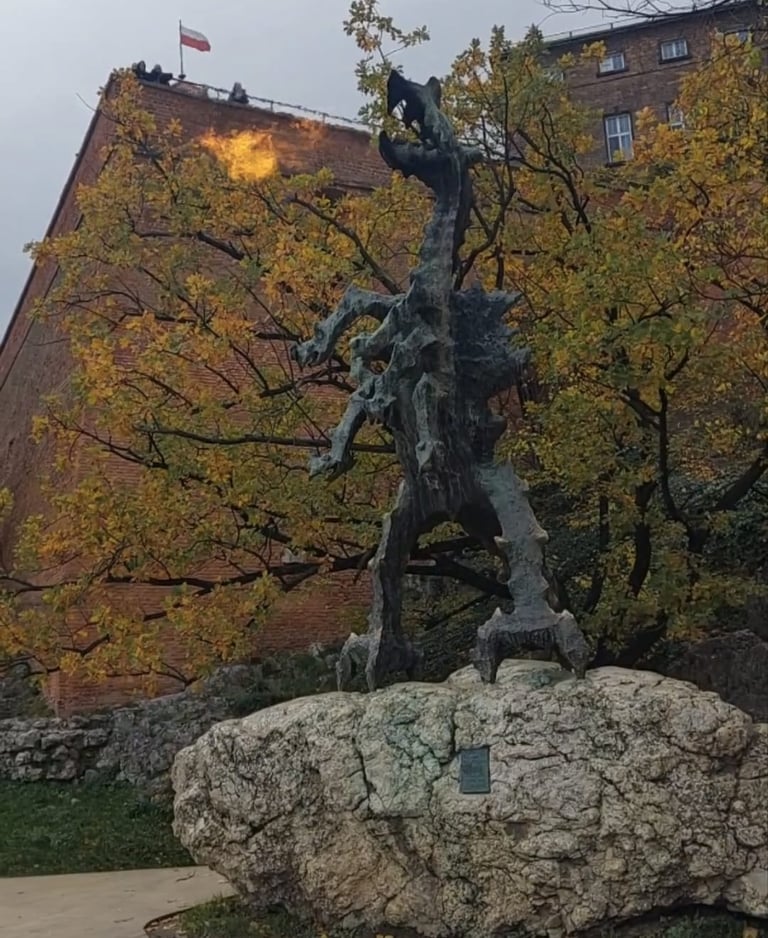
THE WAWEL DRAGON STATUE
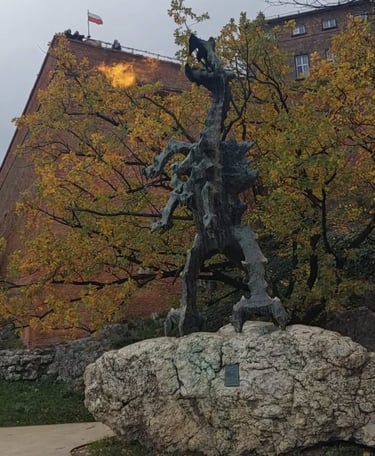
The Wawel Dragon Statue (Smok Wawelski) is inspired by one of Kraków's most famous legends—the tale of the Wawel Dragon. According to the story, a gigantic dragon once lived in a cave at the foot of Wawel Hill, terrorizing the city's inhabitants by demanding sacrifices and spreading fear whenever it emerged from its lair.
Legend has it that many brave knights tried to defeat the dragon but failed. Eventually, a clever young man came up with a different plan. Instead of fighting the beast with force, he fed it a sheep's skin stuffed with sulfur. After swallowing it, the dragon became unbearably thirsty and drank so much water from the Vistula River that it burst, finally freeing the city from its reign of terror.
Today, the statue stands near the cave where the dragon is said to have lived. To bring the legend to life, it breathes real fire every few minutes, making it one of Kraków's most unique and photographed landmarks.
PASSEGGIATA LUNGO LA VISTOLA


The Vistula River is the longest river in Poland and flows through Kraków, naturally dividing the city between its two banks. Throughout history, it has played a fundamental role in the city's development, both from a commercial and cultural perspective.
Today, the river is one of the most pleasant places for a walk, especially along the well-maintained riverside paths and promenades. At sunset, the Vistula becomes a particularly charming spot, attracting both locals and visitors who come to enjoy the peaceful atmosphere and beautiful views.
DAY 2
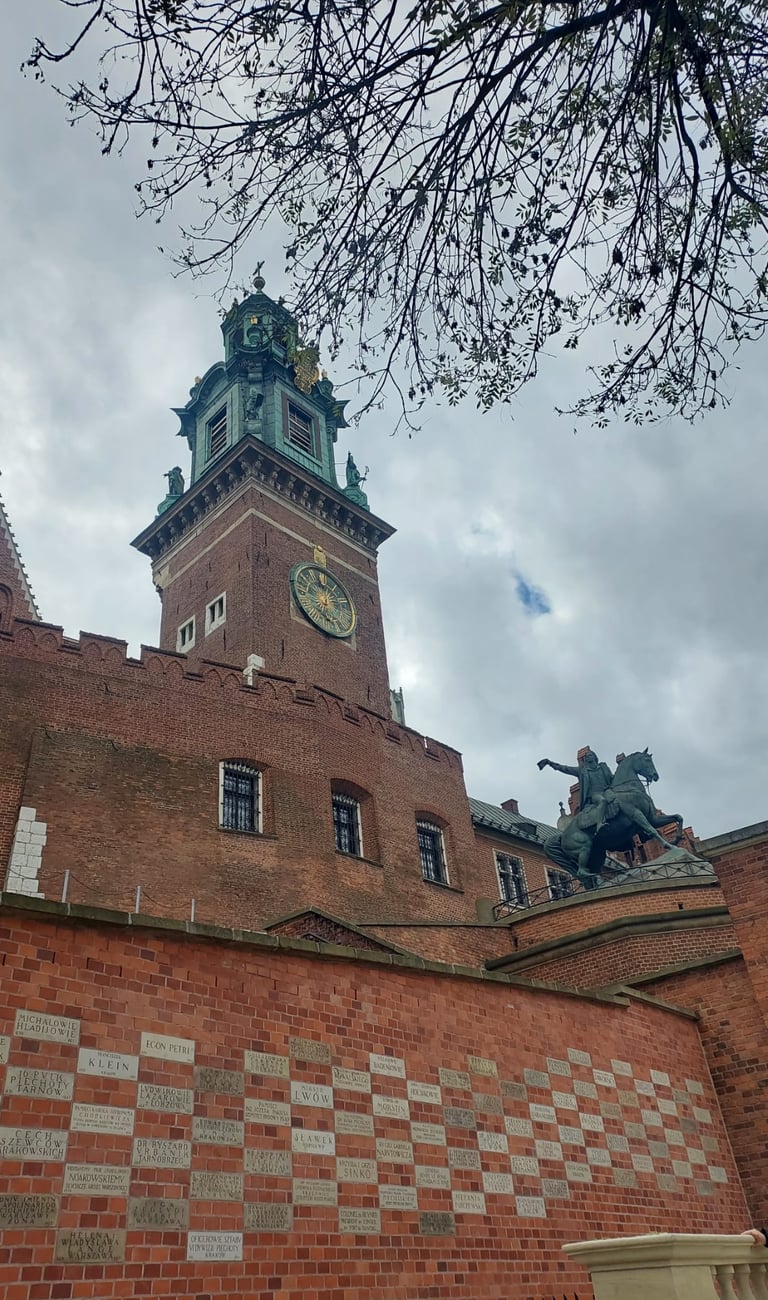
WAWEL CASTLE
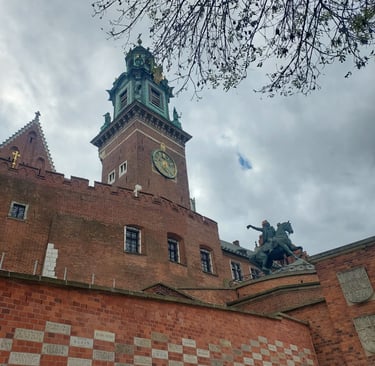
Wawel Castle is one of Poland's most important historical and cultural landmarks. Located on Wawel Hill, overlooking the Vistula River in Kraków, it has played a central role in the country's history for centuries.
From the Middle Ages until the 17th century, it served as the official residence of the Polish kings. The main structure dates back to the 14th century, with significant Renaissance expansions added during the 16th century.
The castle is famous for its elegant Renaissance arcaded courtyard and its richly decorated royal chambers. Inside, visitors can explore royal apartments, the Crown Treasury, historic tapestries, and impressive art collections.
Together with Wawel Cathedral, the castle represents the historical and symbolic heart of Poland, standing as a powerful reminder of the nation's royal heritage and cultural identity.
General Opening Hours (subject to change – always check before visiting)
Monday: 10:00 AM – 4:00 PM (first-floor exhibitions).
Tuesday – Sunday: 9:00 AM – 5:00 PM (underground routes and other exhibitions).
Closures
The castle is often closed on November 1st and on certain public holidays.
Approximate Prices for Individual Areas (full-price tickets)
Armory: 15 PLN (approximately €3.25).
Oriental Art: 15 PLN (approximately €3.25).
The Lost Wawel: 15 PLN (approximately €3.25).
Wawel Recovered: 10 PLN (approximately €2.20).
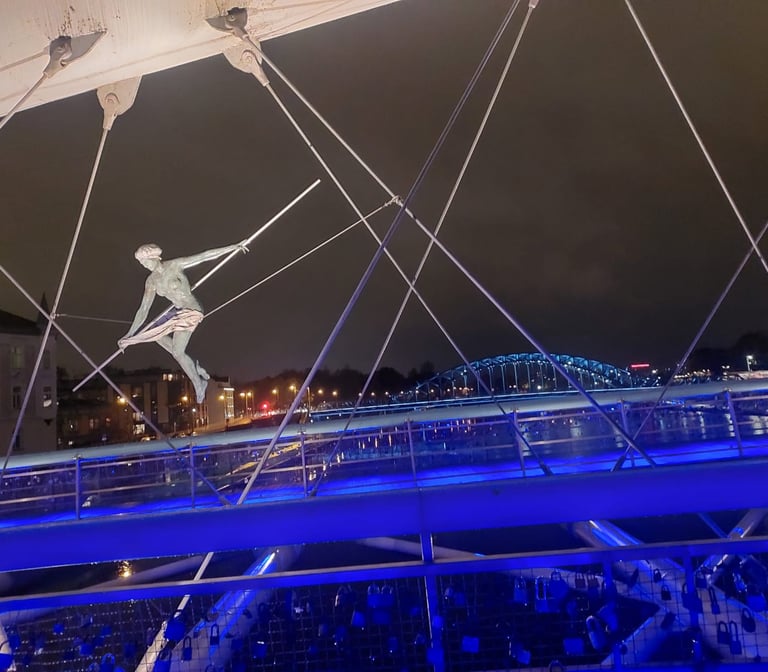
BERNATEK FOOTBRIDGE
The bridge crosses the Vistula River, connecting the central part of Kraków with the Podgórze district. Opened in 2010, it has become one of the city's most important pedestrian and road bridges.
Featuring a contemporary style, the bridge stands out for its elegant design and suspended structure. It is particularly famous for its “love locks,” placed by couples on the railings as a symbol of affection and commitment.
Today, it serves both as a practical connection for vehicles and pedestrians and as a modern tourist attraction. In the evening, thanks to its beautiful lighting, it becomes one of the most atmospheric viewpoints over the Vistula River, offering a charming setting for a walk and memorable views of the city.
PLACK NOWY
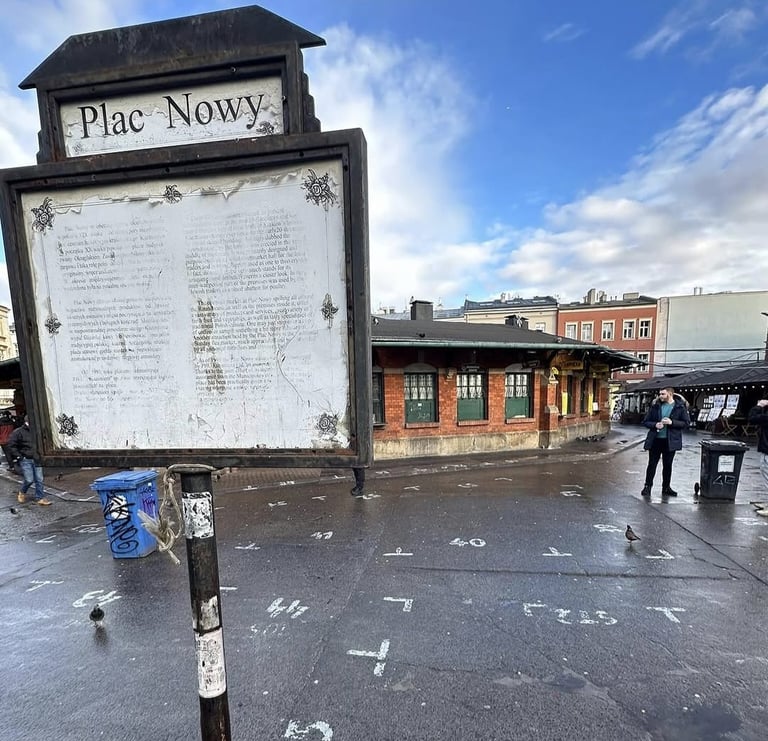
Plac Nowy is a square located in the heart of Kraków's Kazimierz district, known for its lively atmosphere and authentic local character. At its center stands a historic circular building surrounded by food stalls and small kiosks, particularly famous for serving local street food such as zapiekanki.
During the day, the square is a popular meeting place for both residents and visitors, while in the evening it becomes a lively gathering spot thanks to the many bars and cafés in the surrounding area.
Plac Nowy is the perfect place to take a break while exploring the Jewish Quarter and experience a more informal and genuine side of Kraków, away from the city's more tourist-focused areas.
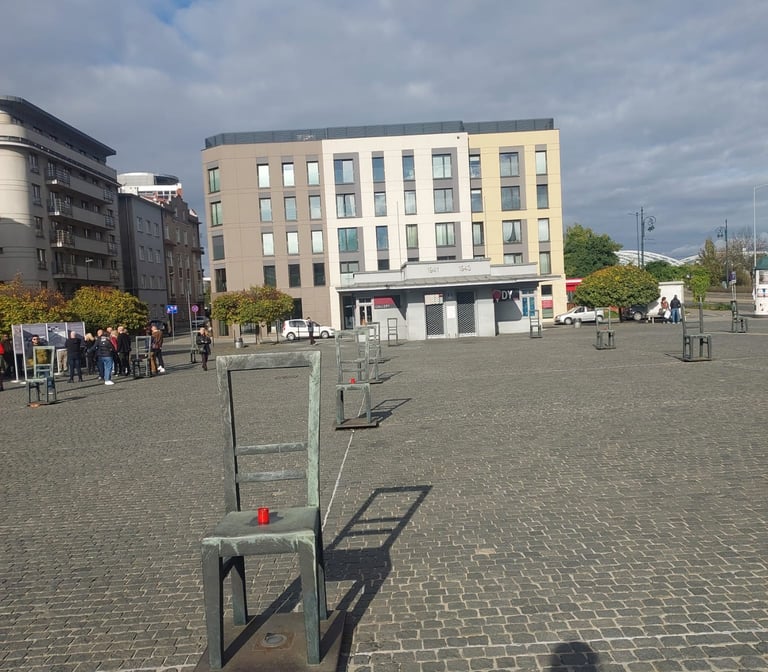
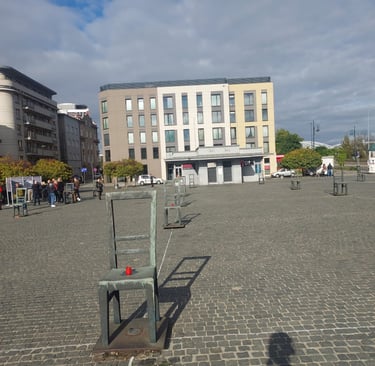
GHETTO HEROES SQUARE CHAIRS
This square is a historic memorial site dedicated to the victims of the Jewish Ghetto during World War II. In 1941, the Nazis forced Kraków's Jewish population to live in the ghetto, which was mainly located in this area.
At the center of the square stands the monument “Ghetto Heroes Square Chairs”, created by Polish artist Tadeusz Kantor and inspired by the memory of those who were deported and murdered. The empty chairs symbolize the absence and loss of the Jewish community that once lived here.
Today, the square and the remains of the former ghetto area serve as a place of reflection and remembrance, visited by tourists, students, and those wishing to learn more about this tragic chapter of history.
It represents one of the most important symbols of Kraków's Jewish heritage and the tragedy of the Holocaust. The square is part of a wider historical route that includes Schindler's Factory and other memorial sites connected to the history of the ghetto.
FORMER JEWIS GHETTO
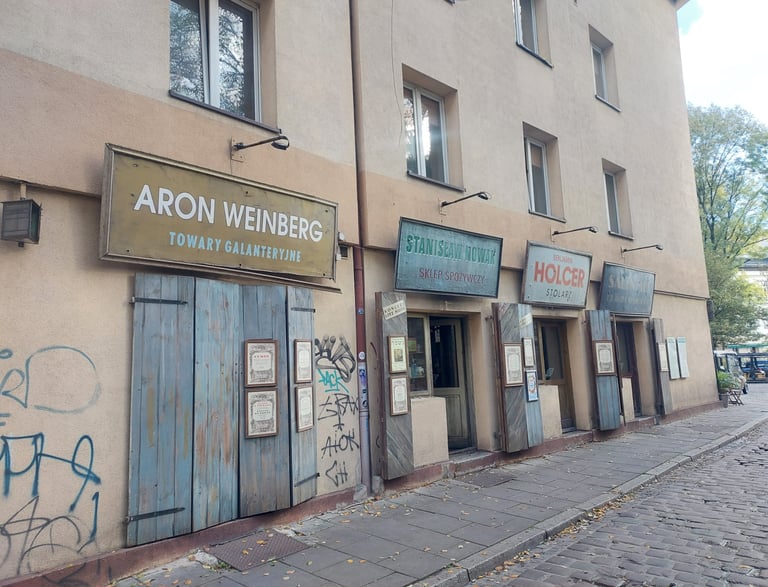
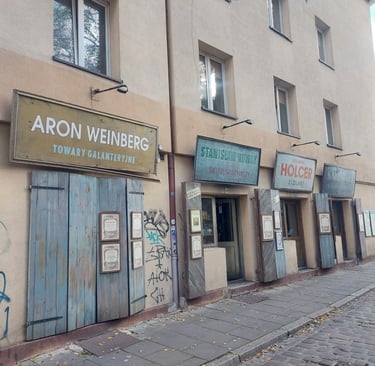
The former Jewish Ghetto of Kraków was located in the Podgórze district, while Kazimierz is today one of the city's most famous and vibrant neighborhoods with deep Jewish heritage. The ghetto was established during World War II by the Nazi authorities, who forced Kraków's Jewish population to move into this area before their deportation to concentration camps.
Today, the district preserves numerous historical sites connected to the Jewish community, including historic synagogues, cemeteries, museums, and memorials that tell the story of Kraków's rich Jewish culture and the tragic events of the Holocaust.
DAY 3
TOUR
AUSCHWITZ-BIRKENAU
Visiting Auschwitz-Birkenau during a stay in Kraków is an intense yet deeply meaningful experience. This is not simply a tourist attraction, but a place of remembrance that allows visitors to connect directly with one of the darkest chapters of history: World War II and the Holocaust. I highly recommend this visit because it offers a much deeper understanding than what can be learned from books or documentaries alone. Walking through the barracks, seeing the personal belongings of the victims, and listening to the explanations provided by expert guides makes the experience incredibly real and moving.
It is a visit that encourages reflection, respect, and awareness. Moreover, its proximity to Kraków (approximately one and a half hours away) makes it easily accessible, even for those planning a half-day trip.


Email:
info@odysseytravel.it
+39 3270120054
Telefono:
Seguimi
ODYSSEY TRAVEL
EXPLORE THE WORLD
Authentic itineraries
Information
Contact