


CHINA


REQUIRED DOCUMENTS
PASSPORT:
A passport with at least 6 (six) months of remaining validity is required.
ENTRY VISA:
Until December 31, 2026, Italian citizens holding an ordinary passport may travel to China for business, tourism, visits to family or friends, or transit for stays of up to 30 days without having to apply for an entry visa.
ARRIVAL CARD:
For China, the Arrival Card is an entry form that must be completed upon arrival, providing personal details, passport information, and details about your stay. It is a simple and mandatory requirement.
👉 For up-to-date information and full details, please consult the Viaggiare Sicuri website.

APPS TO DOWNLOAD BEFORE ARRIVING IN CHINA
DIDI
WE CHAT
ALIPAY
GET YOUR GUIDE
BOOKING
KLOOK
AMAP
TRIP.COM

12-DAY ITINERARY
4 DAYS – BEIJING
3 DAYS – CHENGDU
3 DAYS – CHONGQING
2 DAYS – SHANGHAI
DAY 1

BEIJING
Beijing, the capital of China, is one of the world's oldest and most historically significant cities. It is home to iconic landmarks such as the Forbidden City, the former residence of China's emperors, and Tiananmen Square, one of the largest public squares in the world. The city's traditional neighborhoods, known as hutongs, offer a glimpse into Beijing's rich cultural heritage and everyday life of the past. Just outside the city lies the Great Wall of China, one of the country's most famous symbols and one of the world's greatest architectural achievements. Today, Beijing is a fascinating blend of history, culture, and modernity, where ancient imperial landmarks stand alongside contemporary architecture and vibrant urban life.
SUMMER PALACE
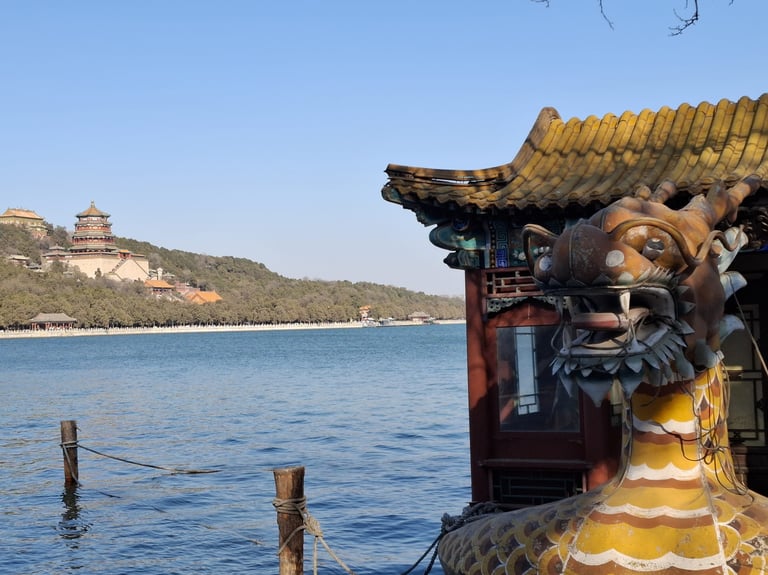
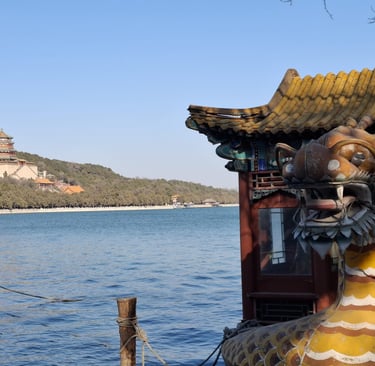
The Summer Palace was built during the 18th century under the Qing Dynasty and later expanded by Empress Dowager Cixi. It served as the summer residence of the Chinese emperors, who retreated here to escape the heat of the Forbidden City.
Covering approximately 290 hectares, the palace complex features picturesque lakes, hills, pavilions, temples, and beautifully landscaped gardens. Its most iconic landmarks include Kunming Lake, Longevity Hill, and the famous Long Corridor, adorned with thousands of traditional Chinese paintings.
Today, the Summer Palace is a UNESCO World Heritage Site and one of China’s most popular attractions, admired for its perfect harmony between architecture and nature.
Opening Hours
High Season (April 1 – October 31)
Park: 6:00 AM – 8:00 PM (Last admission: 7:00 PM)
Main Palace Buildings & Courtyards: 8:00 AM – 6:00 PM
Low Season (November 1 – March 31)
Park: 6:30 AM – 7:00 PM (Last admission: 6:00 PM)
Main Palace Buildings & Courtyards: 8:30 AM – 5:00 PM
Admission Prices (Approximate)
Park Admission:
Low Season: Approximately ¥20
High Season: Approximately ¥30
Combined Ticket (All-Inclusive Pass):
¥50–¥60 (Includes access to the main attractions, such as the Wenchang Gallery and the Garden of Virtue and Harmony.)
Discounted Tickets: Available for students and senior visitors, typically ¥10–¥20.
Note: Advance booking is highly recommended during the high season due to the large number of visitors.
THE LAMA TEMPLE
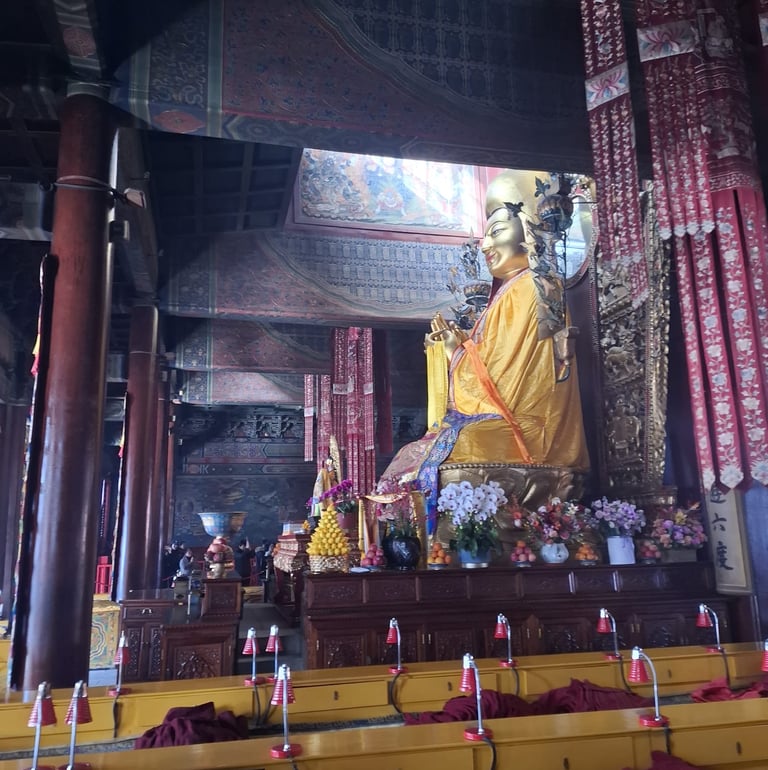
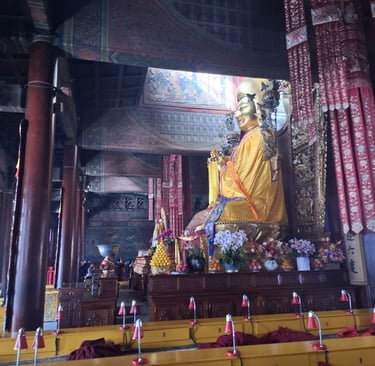
The Lama Temple (Yonghe Temple) is one of the most important Tibetan Buddhist temples in Beijing. Originally built in 1694 as an imperial residence during the Qing Dynasty, it was converted into a Lamaist monastery in 1744 by the Qianlong Emperor.
The temple complex beautifully combines traditional Chinese and Tibetan architectural styles, featuring imperial yellow roofs, peaceful courtyards, and richly decorated halls. Inside, visitors can admire an impressive collection of sacred statues, religious paintings, and ceremonial artifacts of great artistic and spiritual significance.
One of the temple’s greatest highlights is the magnificent Maitreya Buddha, carved from a single sandalwood tree trunk, making it one of the most remarkable Buddhist sculptures in the world. Today, the Lama Temple remains an active place of worship and is one of Beijing’s most important cultural and religious landmarks.
Opening Hours
April – October: 9:00 AM – 5:00 PM
November – March: 9:00 AM – 4:30 PM
Admission Prices
Adults: ¥25 (approximately €3–4)
Children: Free for children under 6 years old or under 1.2 meters (3.9 ft) tall
Discounted Tickets: Available for students and senior visitors
Tip: It is recommended to purchase tickets in advance, especially during the high season, to avoid long queues.
QUARTIERE DI SHICHAHAI


Shichahai is one of Beijing’s most historic and picturesque districts, famous for its three interconnected lakes: Qianhai, Houhai, and Xihai. The area is surrounded by traditional hutongs—Beijing’s historic alleyways—where visitors can explore ancient courtyard houses, temples, and beautifully preserved neighborhoods.
Historically, Shichahai was a prestigious area frequented by members of the imperial court and high-ranking officials. Today, it is one of the city's liveliest districts, especially around Houhai Lake, where numerous restaurants, cafés, bars, and live music venues create a vibrant atmosphere.
Combining rich history with a unique local charm, Shichahai is one of the best places to experience both the traditional and contemporary sides of Beijing, particularly in the evening when the lakes and surrounding streets come alive.
DAY 2
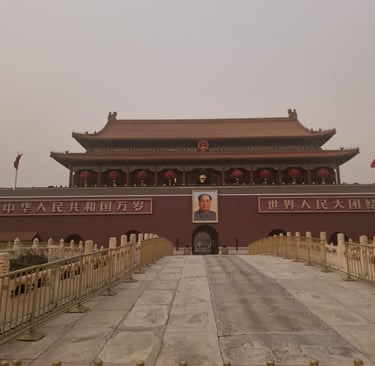
TIANANMEN SQUARE
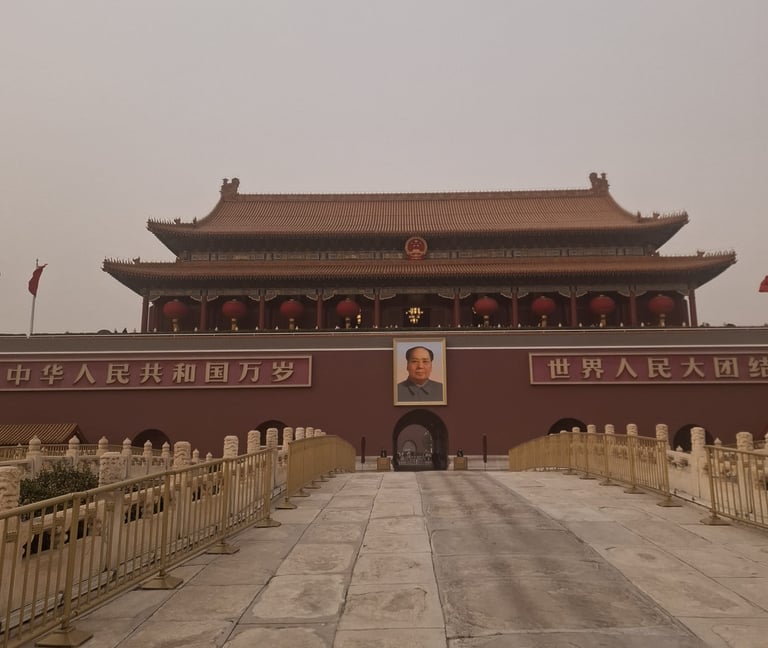
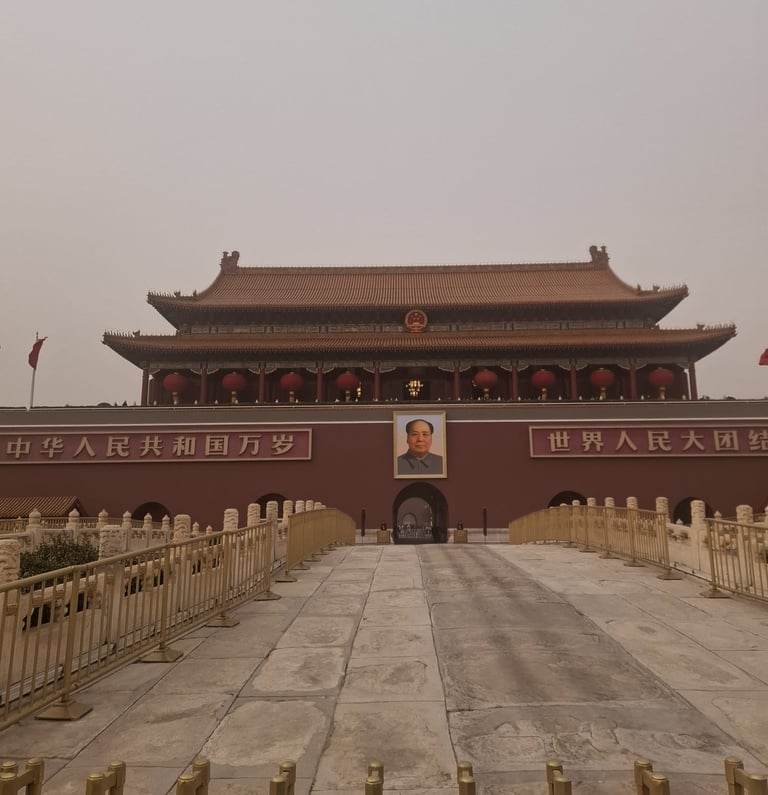
Tiananmen Square is the largest public square in the world, located in the heart of Beijing. Its name means "Gate of Heavenly Peace," referring to the monumental gate that serves as the main entrance to the Forbidden City. The square holds immense historical and political significance. In 1949, Mao Zedong proclaimed the founding of the People’s Republic of China here. It has also been the site of several major events in modern Chinese history, including the 1989 Tiananmen Square protests.
Surrounding the square are some of China’s most important landmarks, including the Mausoleum of Mao Zedong, the Great Hall of the People, and the National Museum of China. Today, Tiananmen Square remains a powerful national symbol and one of Beijing’s most visited attractions, serving as the political and ceremonial heart of the country.
TIANANMEN SQUARE RESERVATION
It is highly recommended to reserve your visit to Tiananmen Square at least one day in advance, as entry is regulated and subject to security checks. The number of visitors allowed each day may be limited, and during peak travel periods, it can be difficult to gain access without a reservation.
Booking in advance helps you avoid long waiting times and ensures a smoother, more enjoyable visit to one of Beijing’s most iconic landmarks.
The Forbidden City is an absolute must-see when visiting Beijing. Booking a guided tour, for example through GetYourGuide, is highly recommended, as it allows you to fully appreciate the history, architecture, and fascinating stories behind this extraordinary imperial complex.
For nearly 500 years, the Forbidden City served as the residence of the emperors of the Ming and Qing Dynasties. Covering approximately 720,000 square meters, it features more than 900 beautifully decorated buildings, including grand ceremonial halls, tranquil courtyards, temples, and imperial residences.
A knowledgeable guide can help you understand the symbolism behind each building, the principles of traditional Chinese architecture, and the intriguing stories of imperial life that shaped China's history. Since access is regulated and daily tickets often sell out, especially during peak seasons, booking in advance is strongly recommended.
Visiting the Forbidden City with a guide transforms a simple sightseeing tour into an immersive journey through the rich history, culture, and traditions of imperial China.
FORBIDDEN CITY
JINGSHAN PARK
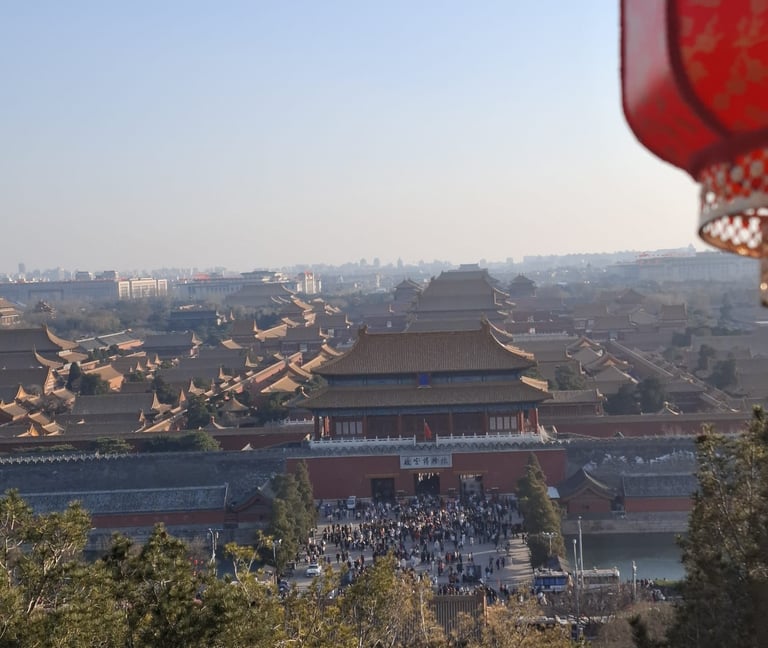
Jingshan Park is located in the heart of Beijing, just north of the Forbidden City. It was created during the 15th century under the Ming Dynasty, and its artificial hill was formed using the earth excavated to build the moats surrounding the Forbidden City.
The park is best known for Coal Hill, whose summit offers one of the most spectacular panoramic views of Beijing, overlooking the golden rooftops of the Forbidden City and the city's skyline. Once an exclusive imperial garden reserved for the royal court, Jingshan Park is now a popular public park where locals and visitors come to enjoy peaceful walks and moments of relaxation.
The park also holds historical significance as the place where the last Ming emperor, Emperor Chongzhen, took his own life in 1644, marking the end of the Ming Dynasty. Today, Jingshan Park is a must-visit destination for its breathtaking views, historical importance, and tranquil atmosphere.
HOUHAI AND QIANHAI LAKE
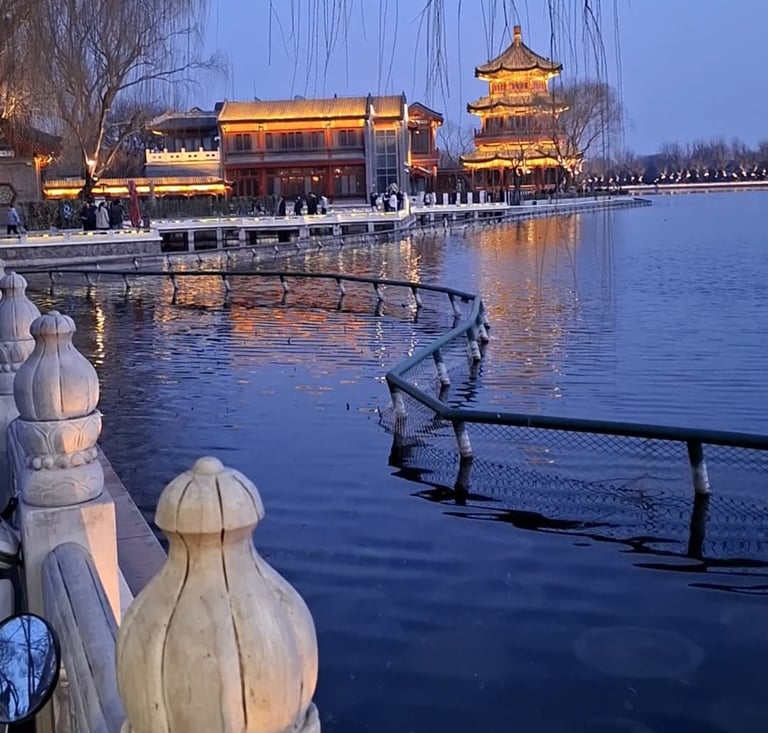
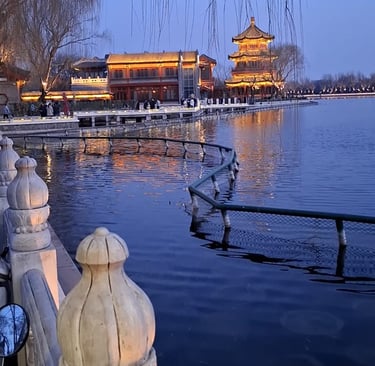
Houhai Lake is one of the three lakes that make up the Shichahai area in the heart of Beijing. Surrounded by picturesque traditional alleyways (hutongs), historic buildings, and gardens, the lake is known for its lively yet romantic atmosphere.
Its shores are lined with numerous bars, restaurants, and live music venues, making it a popular meeting place for both locals and tourists. The lake and surrounding canals were once part of the imperial transportation network and were also used to access nearby palaces.
Today, Houhai Lake is a popular spot for leisurely walks, boat rides, and cultural activities, offering a perfect balance of nature, history, and urban life.
DAY 3
GREAT WALL
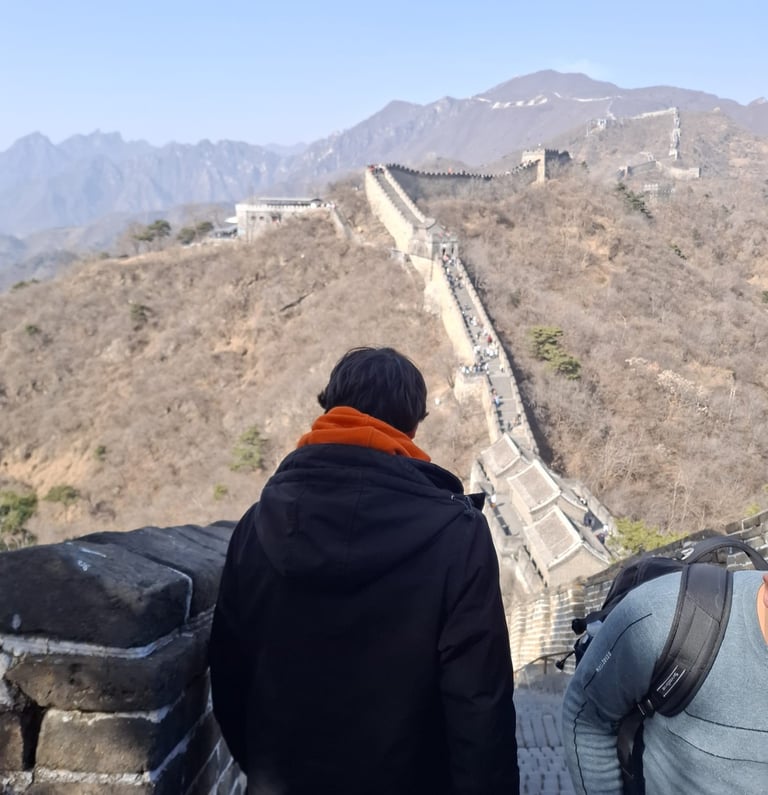
The Great Wall of China is one of those places that truly exceeds every expectation. It is not only one of the most famous landmarks in the world, but also an unforgettable experience that makes you feel humbled by its immense scale, extraordinary history, and incredible engineering. Walking along the Wall, surrounded by mountains and breathtaking landscapes, is a feeling that is difficult to put into words. Every section has its own unique character, and with every step you gain a deeper appreciation for the centuries of history, culture, and craftsmanship behind this remarkable monument. It is an experience I especially recommend to travelers who enjoy discovering destinations beyond the typical sightseeing spots and want to connect with a place on a deeper level. Even spending just a few hours on the Wall leaves a lasting impression.
If you are planning a trip to China, visiting the Great Wall is, in my opinion, a once-in-a-lifetime experience that should not be missed.

DAY 4
TEMPLE OF HEAVEN
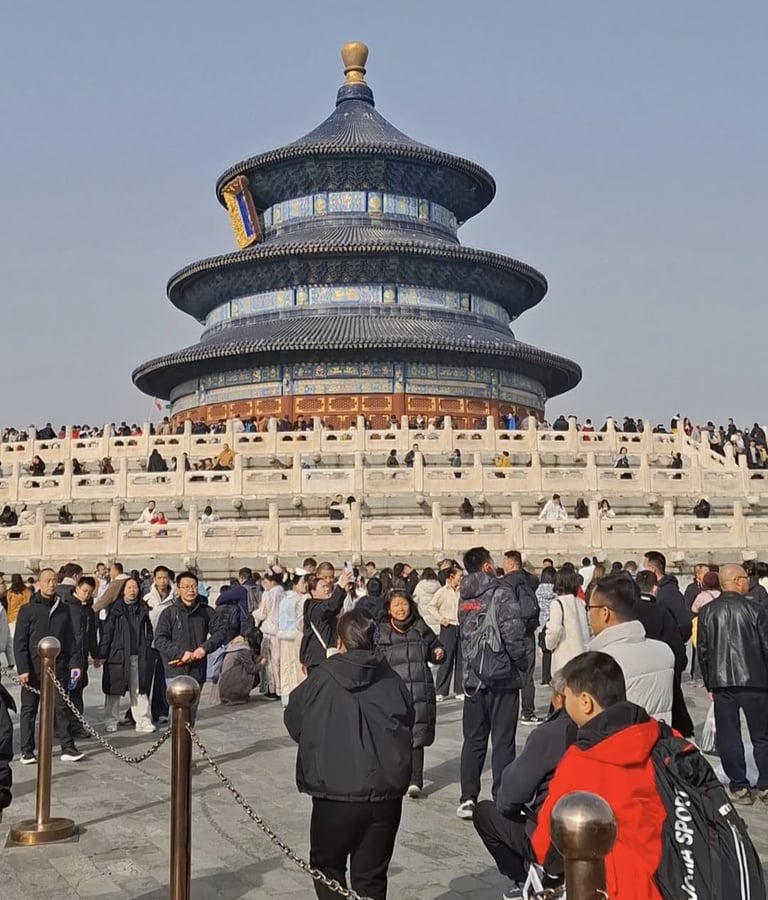
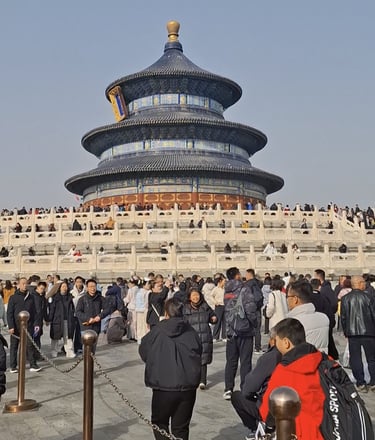
The Temple of Heaven was built in 1420 during the reign of the Yongle Emperor of the Ming Dynasty and was expanded over the following centuries. It was here that the emperors, regarded as the “Sons of Heaven,” performed solemn ceremonies to honor Heaven and pray for abundant harvests and prosperity for the empire.
The temple complex is set within a vast park and is renowned for its rich symbolism. Circular structures represent Heaven, while square structures symbolize Earth, reflecting the ancient Chinese belief in the harmony between the two.
The most iconic building is the Hall of Prayer for Good Harvests, a magnificent circular wooden structure built entirely without the use of nails. Other highlights of the complex include the Circular Mound Altar and the Imperial Vault of Heaven, making the Temple of Heaven one of Beijing’s most remarkable historical and architectural landmarks.
Opening Hours
High Season (April 1 – October 31)
6:00 AM – 10:00 PM
Low Season (November 1 – March 31)
6:30 AM – 10:00 PM
Ticket Office Closes: 9:00 PM
Admission Prices (Approximate)
Park Admission: ¥15–20 (approximately €2)
Through Ticket (Park + Temple Buildings): ¥35–40 (approximately €5)
Tip: The Temple of Heaven is a large complex, so it is recommended to allow at least 2–3 hours for your visit.
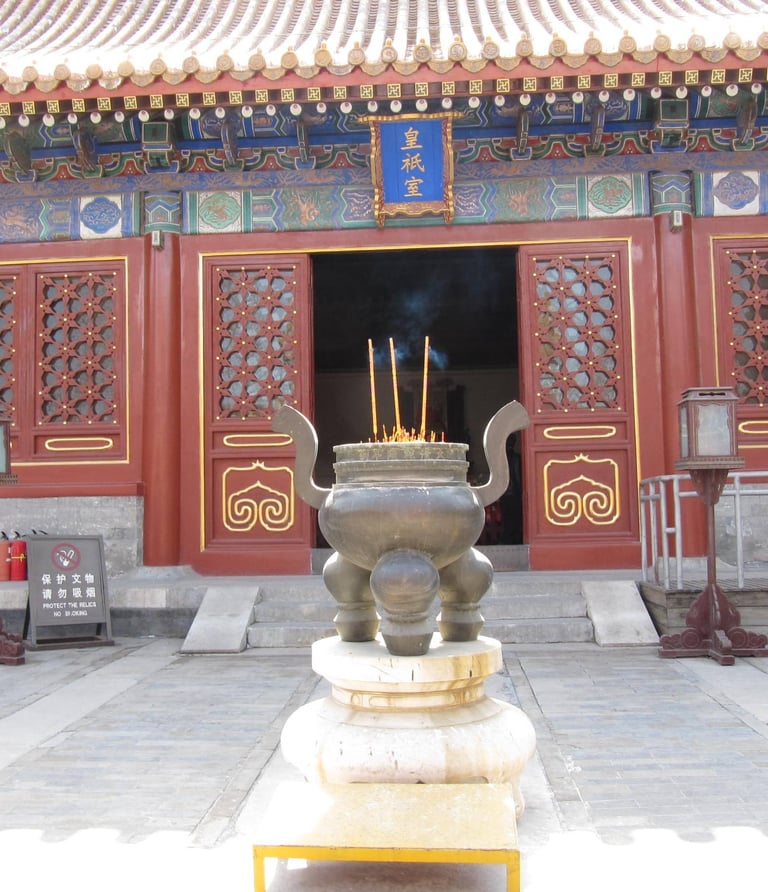
THE TEMPLE OF EARTH
The Temple of Earth (Ditan Park) is one of Beijing’s most important historic temples, located within a large, peaceful park that is far less crowded than many of the city's other attractions. During the Ming and Qing Dynasties, it was used by the emperors to perform sacred ceremonies honoring the Earth.
Surrounded by beautiful green spaces, the complex offers a relaxing atmosphere with tree-lined avenues, traditional pavilions, and open areas that are perfect for a leisurely stroll away from the city's hustle and bustle. Unlike some of Beijing’s more popular temples, the Temple of Earth provides a quieter, more authentic experience, making it an ideal place to enjoy both history and local life..
Opening Hours
Park: Daily from 6:00 AM to 9:00 PM
Temple Buildings & Exhibition Areas: 8:00 AM – 5:00 PM
Admission Prices
Park Admission: Approximately ¥2 (less than €0.50)
Combined Ticket (Park + Altar): Approximately ¥5 (less than €1)
Note: During major traditional festivals, such as Chinese New Year and the Lantern Festival, the park hosts special fairs and cultural events, with extended opening hours for the celebrations.
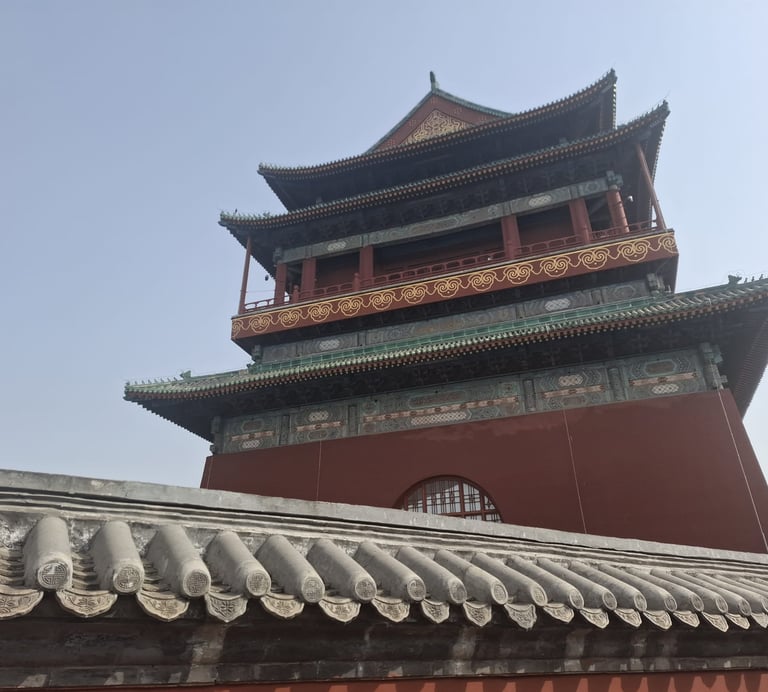
THE DRUM TOWER
The Drum Tower is located near the Bell Tower, in the heart of Beijing’s historic center. In the past, it was used to keep time and announce the hours through the beating of large ceremonial drums.
Climbing to the top rewards visitors with beautiful views over the surrounding hutongs, Beijing’s traditional alleyways and courtyard neighborhoods. Inside the tower, you can see a collection of ancient drums and historical instruments once used for official ceremonies and timekeeping.
At selected times during the day, visitors can also enjoy short live drum performances, offering a fascinating glimpse into one of Beijing’s oldest traditions.
Opening Hours
April – October: 9:00 AM – 5:30 PM
November – March: 10:00 AM – 5:00 PM
Admission Prices
Standard Ticket: ¥30 (approximately €4)
Discounted Ticket (e.g. students): ¥15 (approximately €2)
Note: Traditional drum performances are held regularly inside the tower, offering visitors the opportunity to experience one of Beijing’s oldest musical traditions.
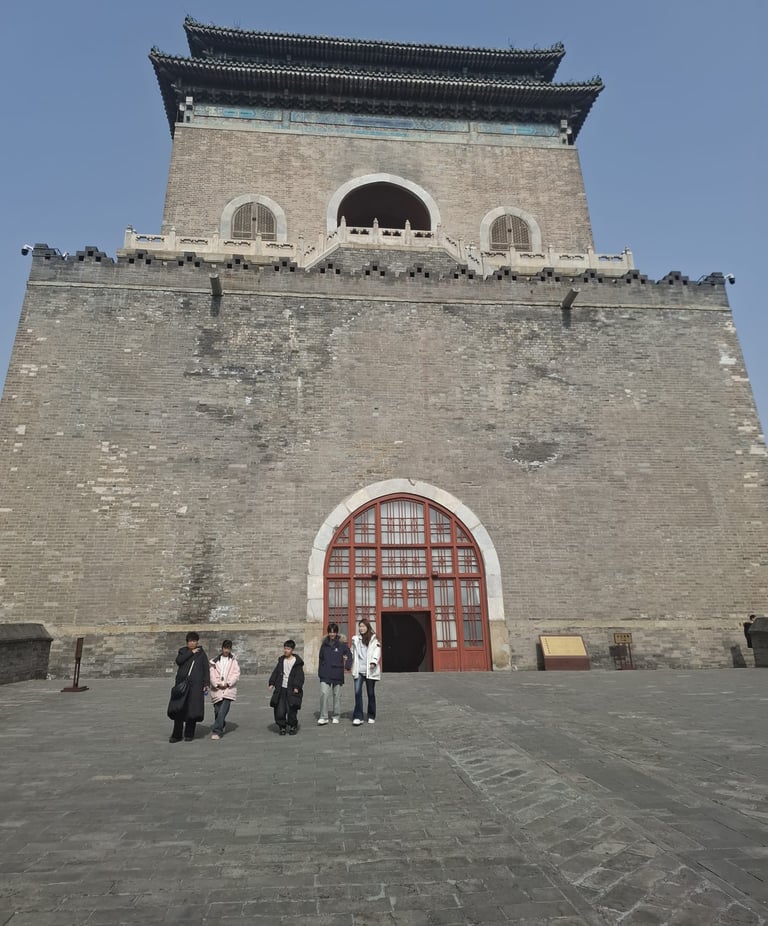
THE BELL TOWER
The Bell Tower is located near the Drum Tower and is one of the most important historical landmarks of old Beijing. In the past, it worked together with the Drum Tower to mark the hours: the bell was rung at dawn, while the drums announced the evening.
Inside the tower, visitors can admire a massive bronze bell, one of the largest in China. Climbing to the top offers beautiful views over the traditional hutongs and the surrounding historic neighborhoods.
With a quieter atmosphere compared to many of Beijing’s more crowded attractions, the Bell Tower is a pleasant and relaxing place to discover the city’s ancient traditions and history.
Opening Hours
Daily: 9:00 AM – 5:00 PM
Last Admission: 4:30 PM
Admission Prices
Combined Ticket (Bell Tower & Drum Tower): ¥30
Students: ¥15
Highlights
The Bell Tower houses China’s largest and heaviest bronze bell, weighing approximately 63 tons.
At the Drum Tower, visitors can enjoy traditional drum performances, which take place at regular intervals throughout the day.
HUTONG
Hutongs are Beijing’s traditional narrow alleyways, lined with historic siheyuan—traditional courtyard houses that have been part of the city for centuries. Exploring the hutongs is one of the best ways to discover the authentic and historic side of Beijing, far from the modern skyscrapers and busy streets.
Walking through these charming neighborhoods, you'll experience everyday local life, with small family-run shops, hidden courtyards, elderly residents playing cards, and bicycles weaving through the narrow lanes. Each hutong has its own unique history and character, offering a fascinating glimpse into Beijing’s rich cultural heritage.
Today, the hutongs remain an essential part of the city's identity, combining history, tradition, and local life in a way that few other places can. They are a must-visit for anyone wanting to experience the true spirit of Beijing.


WANGFUJING STREET
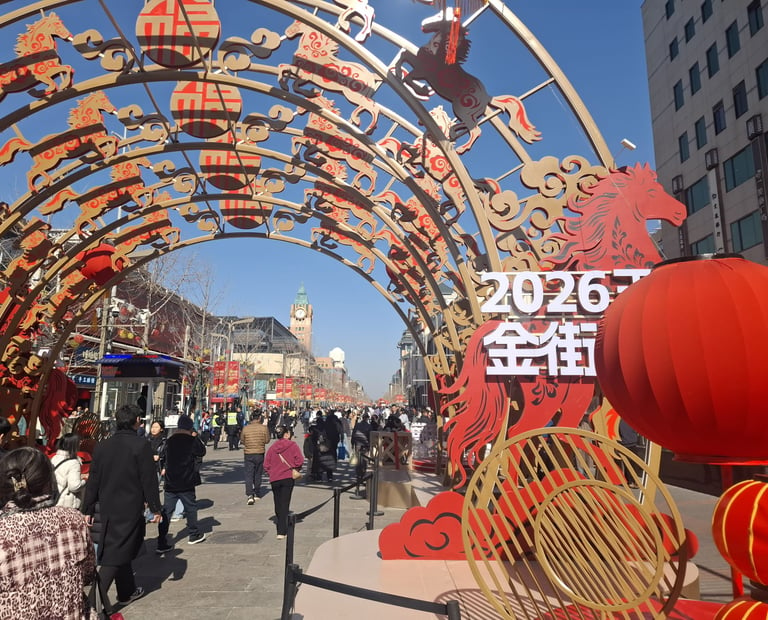
Wangfujing Street is one of Beijing’s most famous and vibrant shopping streets, renowned for its lively atmosphere, bustling pedestrian boulevard, and unique blend of modern and traditional Chinese culture. Lined with department stores, shopping malls, international brands, and historic shops, it is one of the city's premier destinations for shopping and entertainment.
One of Wangfujing’s biggest highlights is its street food area, where visitors can sample a variety of traditional Chinese snacks and local specialties. Whether you're exploring the shops, tasting authentic flavors, or simply enjoying the energetic surroundings, the street offers an unforgettable glimpse into Beijing’s dynamic urban life.
Bustling from morning until late at night, Wangfujing Street is the perfect place to experience the city's vibrant atmosphere and is a must-visit destination for anyone traveling to Beijing.
DAY 5

FLIGHT
PECHINO-CHENGDU

CHENGDU
Chengdu is the capital of Sichuan Province and is renowned for its relaxed atmosphere and world-famous culinary traditions. Often referred to as the "City of Pandas," it is home to the famous Chengdu Research Base of Giant Panda Breeding, one of the best places in the world to see giant pandas up close. The city is also known for its beautiful public parks, such as People’s Park, where visitors can experience authentic local life, from traditional tea houses to lively social gatherings. Chengdu offers a fascinating blend of history and modernity, featuring ancient temples, historic streets, bustling local markets, and an impressive skyline of contemporary skyscrapers. As one of the most important cultural, economic, and tourist hubs in southwestern China, Chengdu is the perfect destination to discover authentic Sichuan culture, famous spicy cuisine, and some of China’s most iconic attractions.
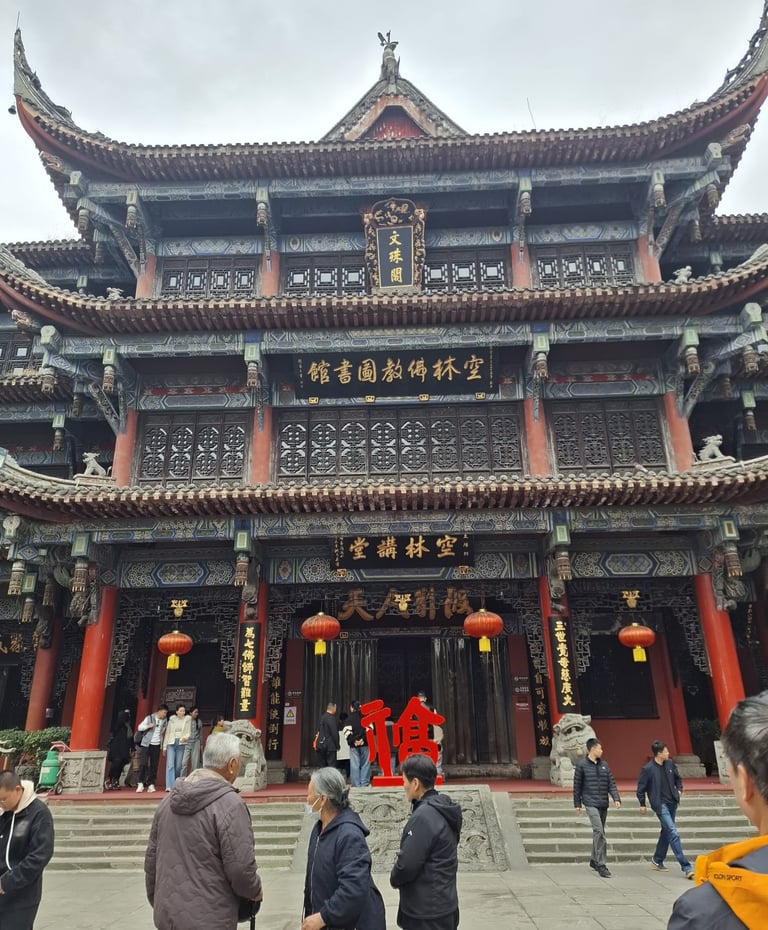
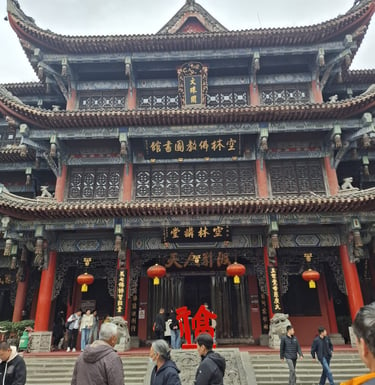
WENSHU MONASTERY
Wenshu Monastery is one of Chengdu’s most important and best-preserved Buddhist temples. Originally founded during the Tang Dynasty, the monastery is renowned for its traditional Chinese architecture, peaceful courtyards, beautifully decorated halls, and impressive Buddha statues.
More than just a place of worship, Wenshu Monastery is also a vibrant cultural center. Visitors can explore a library of Buddhist scriptures, relax in a traditional tea house, and observe areas dedicated to meditation and religious ceremonies.
Beyond its spiritual significance, the monastery offers a wonderful opportunity to experience local culture, admire traditional Chinese art, and enjoy a moment of tranquility in the heart of one of China’s busiest cities.
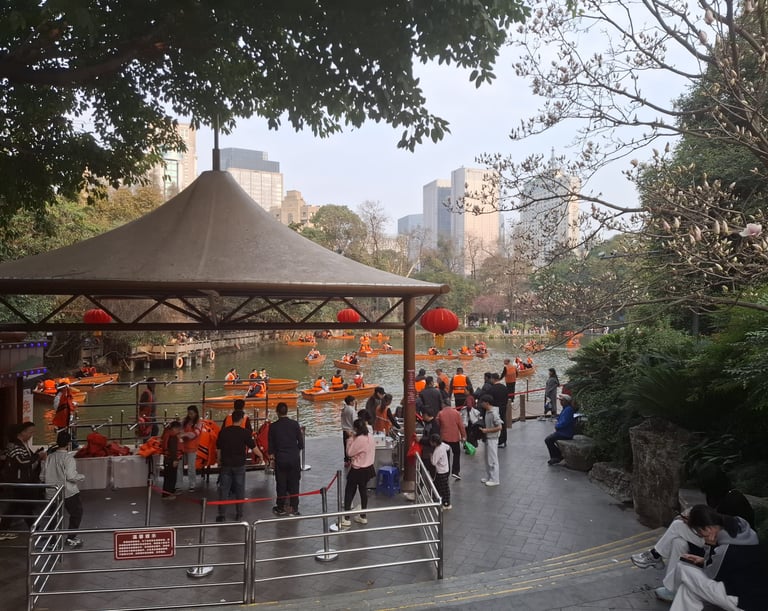
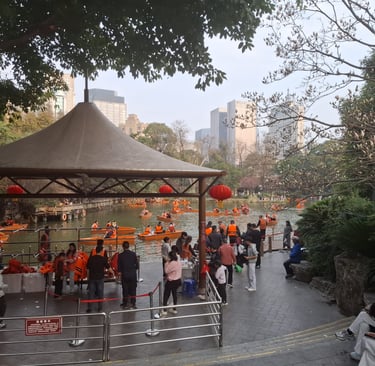
PEOPLE'S PARK
People’s Park is one of Chengdu’s most famous public parks and a favorite gathering place for locals. Established in the early 20th century, it is the perfect place to relax among traditional gardens, peaceful lakes, and charming stone bridges.
The park offers a unique glimpse into everyday life in Chengdu, where visitors can watch locals enjoy tea in traditional tea houses, play mahjong, practice tai chi, or simply socialize with friends and family. This lively yet tranquil atmosphere makes it one of the best places to experience the city's authentic culture.
Whether you're looking to unwind, observe local traditions, or escape the bustle of the city, People’s Park is a must-visit destination that perfectly captures the relaxed spirit of Chengdu.
TIANFU SQUARE
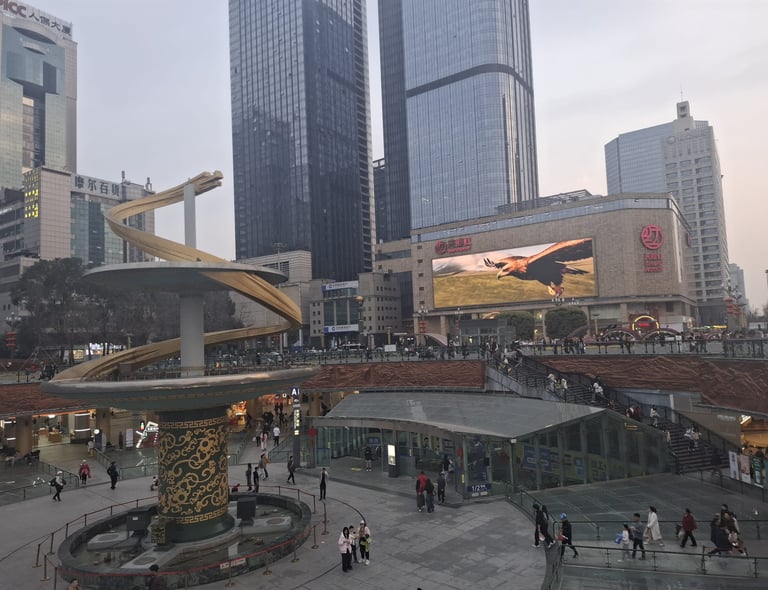
Tianfu Square is the main square of Chengdu and one of the city's most recognizable landmarks. Located in the heart of the city, it is dominated by a large statue of Mao Zedong, which overlooks the square and has become one of Chengdu’s iconic symbols.
Surrounded by modern office buildings, museums, shopping centers, and cultural attractions, Tianfu Square serves as the city's central hub. Beneath the square lies one of Chengdu’s busiest metro stations, making it a convenient starting point for exploring the city.
Bustling with both locals and visitors throughout the day, Tianfu Square perfectly reflects Chengdu’s blend of modern urban life and historical significance, making it an essential stop on any visit to the city.


TAIKOO LI
Taikoo Li Chengdu is a stylish open-air shopping and lifestyle district located in the heart of Chengdu. Renowned for its unique design, the complex seamlessly blends modern architecture with traditional Chinese elements, creating one of the city's most distinctive and vibrant destinations.
Home to a wide range of international luxury brands, boutique shops, restaurants, cafés, and entertainment venues, Taikoo Li is a popular place for both shopping and leisure. The complex sits next to the historic Daci Temple, offering a fascinating contrast between ancient heritage and contemporary design.
Bustling throughout the day and especially lively in the evening, Taikoo Li Chengdu is one of the city's trendiest neighborhoods, making it a must-visit destination for anyone looking to experience Chengdu's modern lifestyle alongside its rich cultural heritage.
IFS PANDA
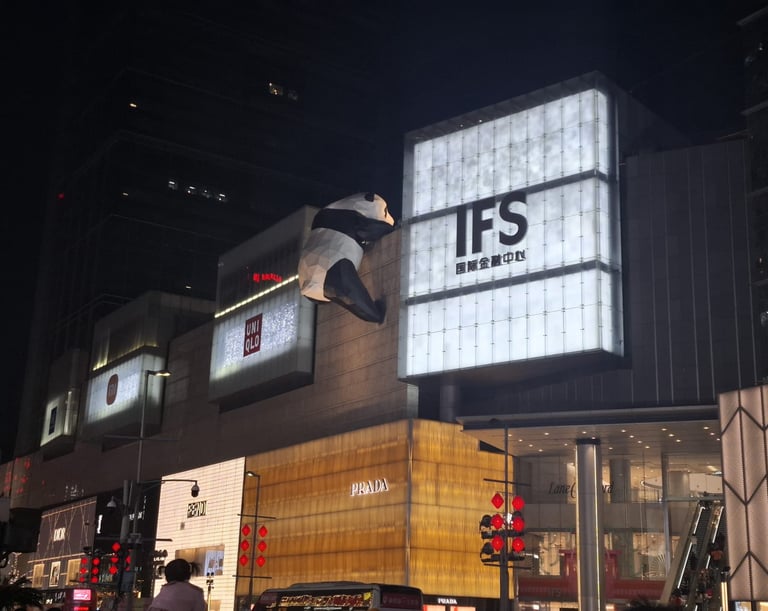
The IFS Giant Panda is one of Chengdu’s most iconic modern landmarks. This enormous sculpture of a giant panda appears to be climbing the side of the Chengdu IFS Mall (International Finance Square), creating a striking and playful visual effect.
Created by renowned artist Lawrence Argent, the sculpture has become a contemporary symbol of the city and a favorite attraction for both locals and visitors. Guests can access the rooftop terrace of the shopping mall to see the panda up close, including its head and front paws, while enjoying panoramic views of Chengdu’s skyline.
As one of the most photographed spots in Chengdu, the IFS Giant Panda is a must-visit destination, perfectly capturing the city's modern spirit and its strong connection to China’s beloved national animal.
DAY 6
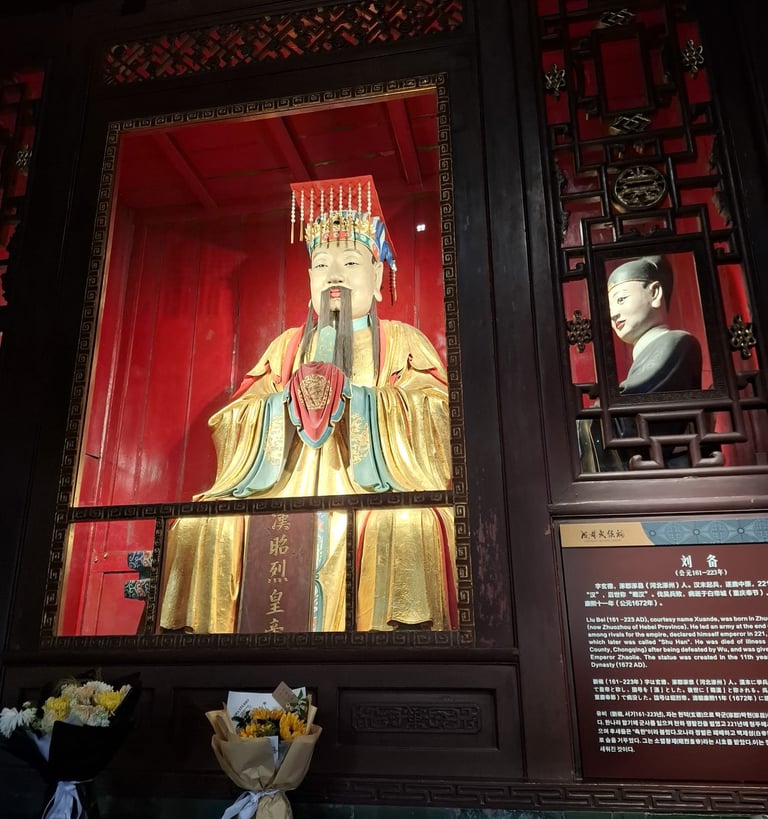

Wuhou Shrine is one of the most important historic temples in Chengdu. The complex is dedicated to the memory of Zhuge Liang, the famous strategist of the Three Kingdoms period, and Liu Bei, the founding emperor of Shu Han.
The temple is surrounded by peaceful gardens, traditional pavilions, and statues commemorating key figures from this important period of Chinese history. Today, it is one of the city’s most visited cultural attractions and offers visitors the opportunity to learn more about the history and legends surrounding the Three Kingdoms era.
Opening Hours & Information (2026):
Regular Hours: Generally 8:30 AM – 6:00 PM (the museum area closes earlier, while the main temple area often remains open until 6:30 PM).
Temple Fair (January/February): During the temple fair, opening hours are usually extended until 9:00 PM or 10:00 PM.
Closing: The Wuhou Temple Museum is generally open daily, although the temple area may have Monday restrictions during the low season.
Ticket Price: Approximately CNY 40–50 (full price).
Discounts: 50% discounts for students and minors aged 6–18 with valid identification.
Free Admission: Often free for Chinese citizens over 60 and children under 6 years old or under 1.3 m tall.
Booking: Online registration is required through the official channels (website or WeChat Mini Program).
WUHOU SHRINE
JINLI OLD STREET
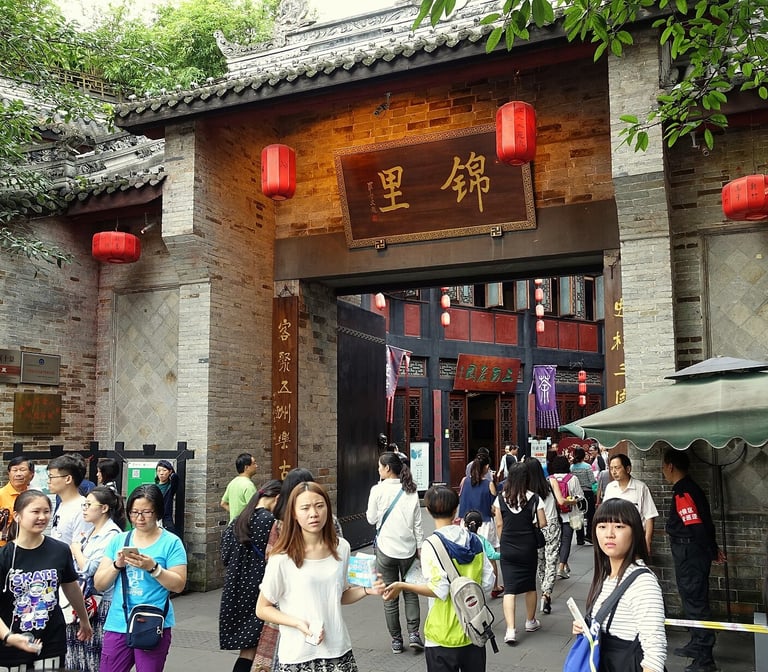
Jinli Ancient Street is one of the most famous historic streets in Chengdu, located next to Wuhou Shrine. This pedestrian street recreates the traditional atmosphere of ancient China, with classical-style buildings, red lanterns, handicraft shops, and numerous stalls serving typical Sichuan street food.
As you stroll along Jinli, you can sample local specialties, watch small traditional performances, and shop for souvenirs. It is one of the city’s most atmospheric and popular areas, especially in the evening when the lanterns light up and create an even more charming setting.
KUANZHAI ALLEYS
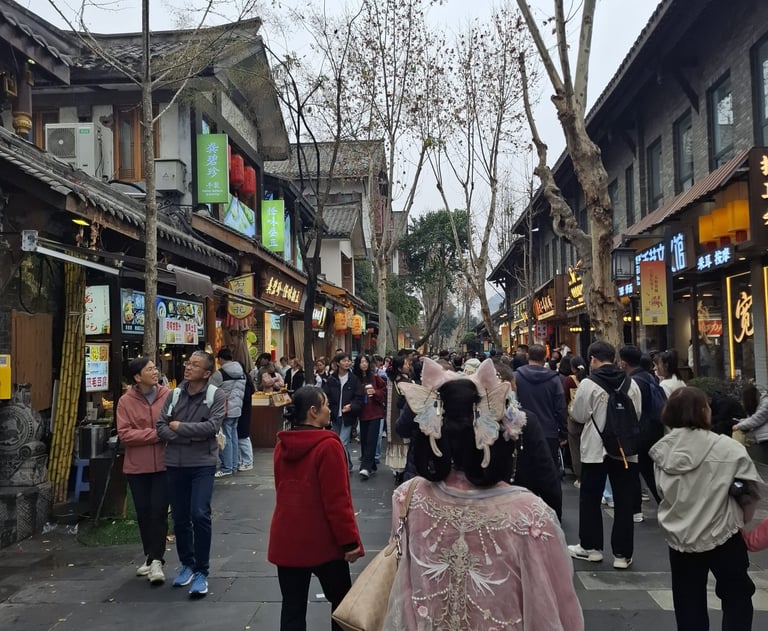
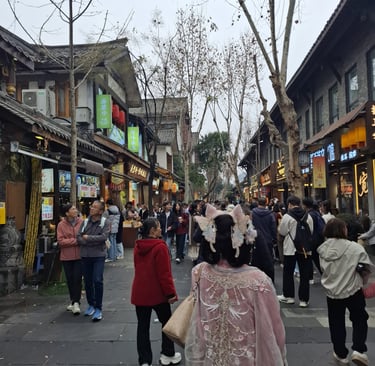
Kuanzhai Alleys is one of the most distinctive historic neighborhoods in Chengdu. The complex consists of three parallel ancient lanes — Kuan Alley (“Wide Alley”), Zhai Alley (“Narrow Alley”), and **Jing Alley” — built during the Qing dynasty.
The streets are lined with traditional courtyard houses, characteristic of local architecture. Today, the area has been restored and is home to numerous tea houses, restaurants, handicraft shops, and small museums.
Walking through these historic lanes offers a glimpse into traditional Chengdu, combining local culture, Sichuan cuisine, and lively cultural spaces popular with both tourists and locals.
JIUYAN BRIDGE
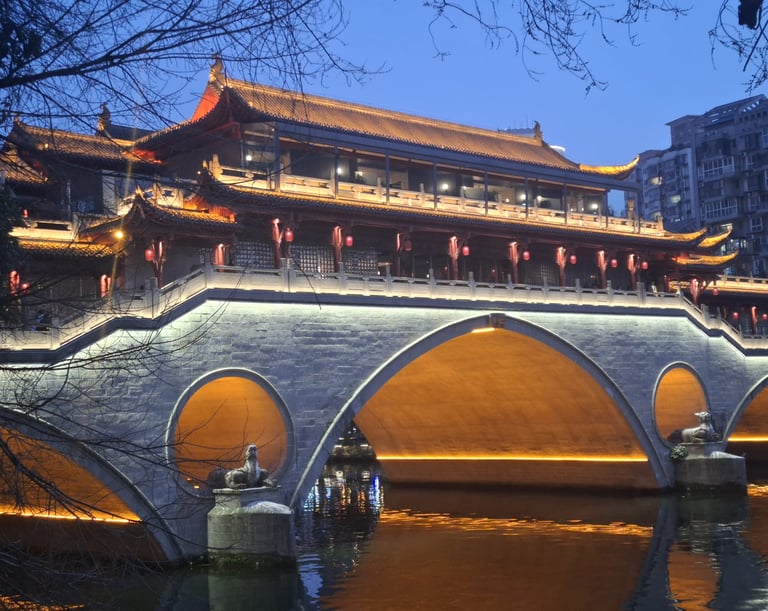
Jiuyan Bridge is one of Chengdu’s best-known bridges, located along the Jin River. The area around the bridge is famous for its vibrant nightlife, with numerous bars, restaurants, and venues popular with both young locals and tourists.
In the evening, the bridge and surrounding buildings light up, creating a beautiful atmosphere along the river. Today, Jiuyan Bridge is considered one of the best places to take a stroll, relax, and experience the modern and dynamic side of Chengdu.
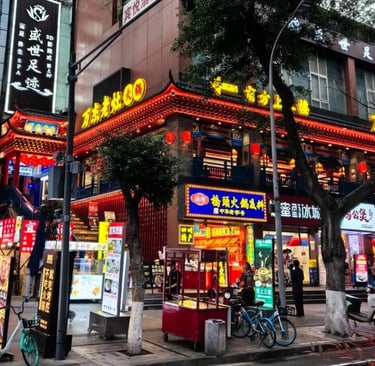
JIANSHE ROAD
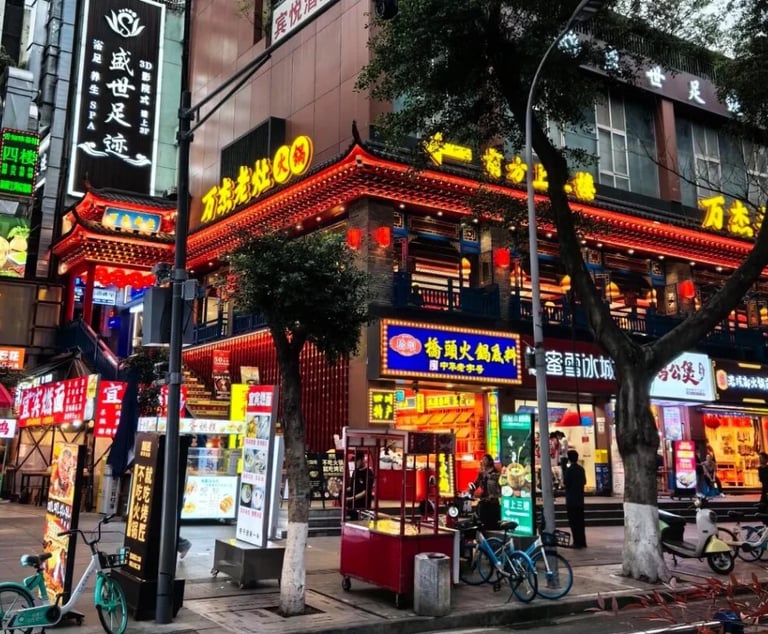
Jianshe Road is one of the most popular streets in Chengdu, known especially for its wide variety of street food. The area is particularly popular with young people and students due to the presence of several universities nearby.
Here, you’ll find numerous food stalls, affordable restaurants, and small shops where you can try a variety of traditional Sichuan specialties. The street becomes especially lively in the evening, when it turns into a popular meeting place for eating, strolling, and experiencing the city’s vibrant atmosphere.

DID YOU KNOW...?
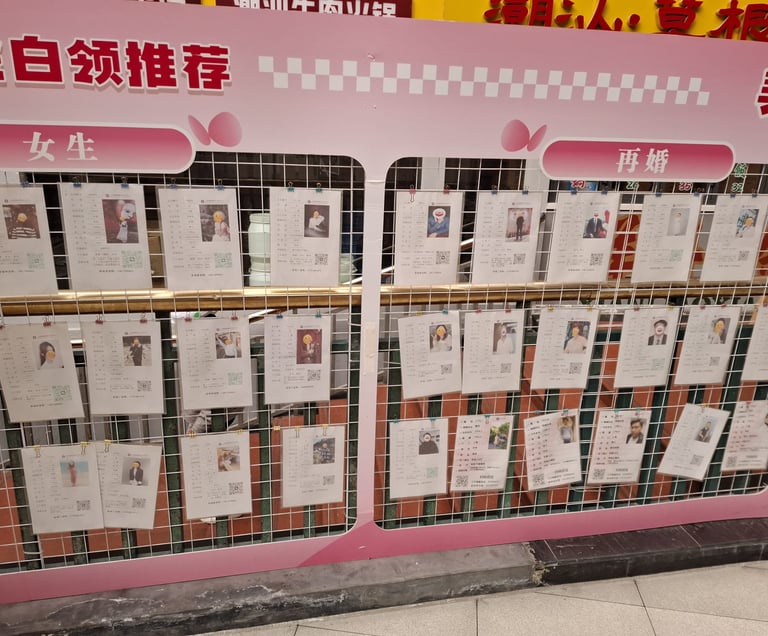
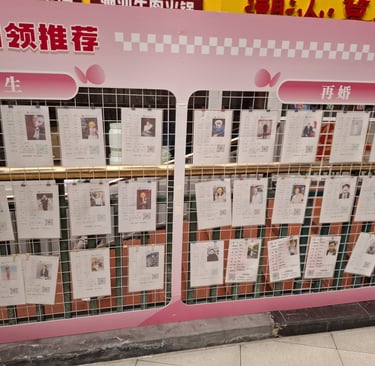
In some Chinese cities, especially in large public parks, there are so-called “marriage markets”, where parents help their single children find a potential partner.
Parents display handwritten signs and sheets containing information such as age, occupation, height, and personal interests, hoping to find a suitable match. One of the most famous examples can be found in People’s Park in Shanghai.
It’s a fascinating cultural curiosity that surprises many travelers and offers an interesting glimpse into how tradition and modern life continue to coexist in Chinese society.
DAY 7
CHENGDU RESEARCH BASE OF GIANT PANDA BREEDING
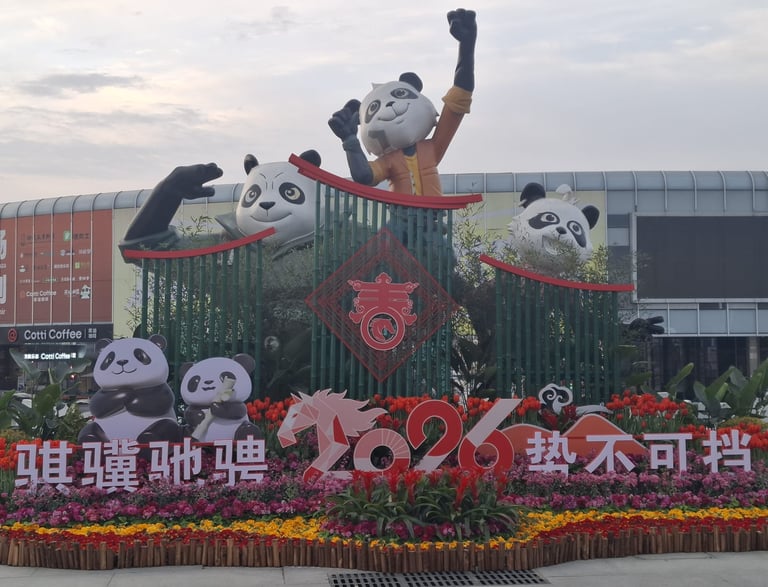
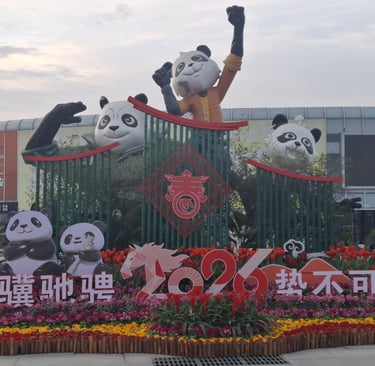
The Chengdu Research Base of Giant Panda Breeding is one of China’s most famous attractions and one of the best places in the world to see giant pandas up close in a naturalistic environment.
Inside the park, visitors can observe pandas of different ages, from adorable cubs to adults, as they eat bamboo, play, and relax. The area is surrounded by greenery and designed to recreate a habitat as close to nature as possible, making the visit both enjoyable and relaxing.
It is one of the most popular things to do in Chengdu, ideal for families and animal lovers alike. The facility is large and well organized, with walking paths connecting different areas and exhibits. In addition to giant pandas, visitors can also see red pandas and other species.
👉 Tip: Arrive early in the morning, when the pandas are generally more active and temperatures are cooler, making it the best time to explore the park.The Chengdu Research Base of Giant Panda Breeding is one of China’s most famous attractions and one of the best places in the world to see giant pandas up close in a naturalistic environment.
GLOBAL CENTER
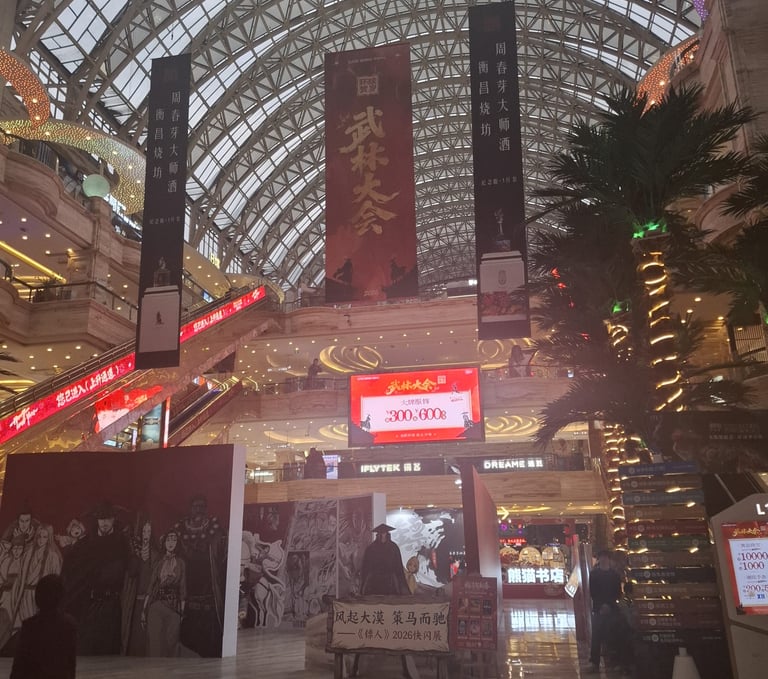
The New Century Global Center is one of the largest and most impressive shopping and entertainment complexes in the world. This enormous structure houses shops, restaurants, hotels, and a wide range of leisure facilities.
Inside, visitors can even find an indoor artificial beach with sand and waves, creating a unique atmosphere unlike anything else in the city. The architecture is modern and spectacular, with soaring ceilings and bright, spacious interiors.
It is a great place not only for shopping, but also for relaxing and having fun. Many people visit simply out of curiosity, attracted by its incredible size.
The New Century Global Center has become one of the most modern and futuristic landmarks of Chengdu, perfectly reflecting the city’s contemporary side.
Opening Hours
The New Century Global Center in Chengdu is open daily from 10:00 AM to 10:00 PM.
CHENGDU TWIN TOWERS
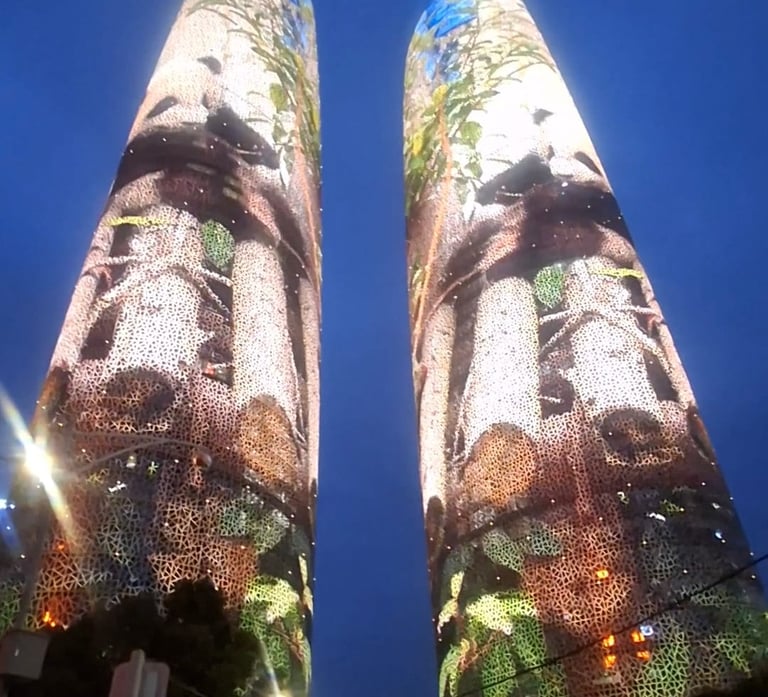
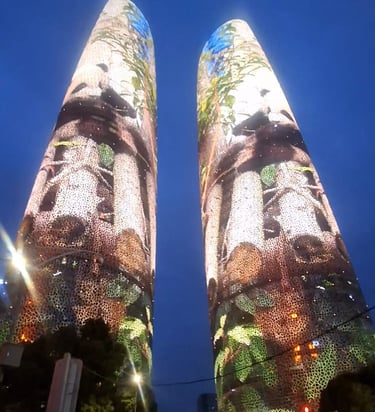
The Chengdu Twin Towers are among the most modern and recognizable features of the city’s skyline. These two skyscrapers are particularly spectacular at night, when their façades come alive with colorful light shows and LED displays.
The towers represent the contemporary side of Chengdu, creating a striking contrast with the city’s ancient traditions. Their lighting frequently changes colors and creates impressive visual effects, making them a popular landmark and one of the city’s most photographed spots.
DAY 8

TRAIN
CHENGDU-CHONGQUING

CHONGQUING
Chongqing is one of China’s most fascinating megacities and is often described as the world’s most “cyberpunk” real-life city. With skyscrapers covered in neon lights, multi-level streets, and trains passing directly through buildings, it offers a spectacular urban landscape unlike anywhere else. Built among mountains and rivers, Chongqing combines a futuristic atmosphere with historic neighborhoods and deep-rooted local traditions. With a population of more than 30 million people, it is a fascinating destination for anyone looking to discover the most modern, dramatic, and visually striking side of China.
PEDESTRIAN STREET
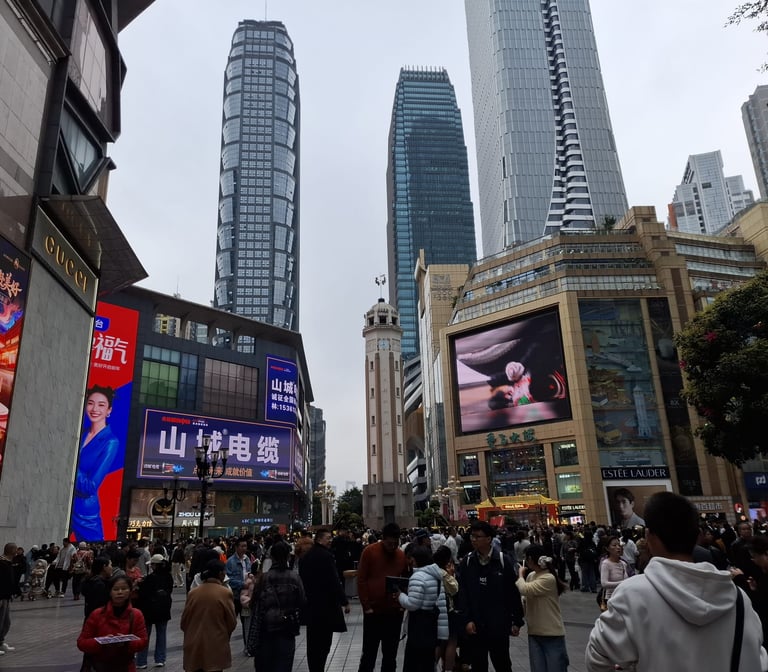
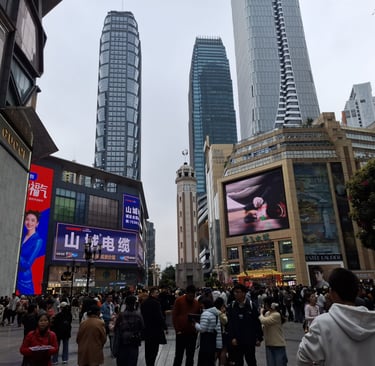
Jiefangbei Pedestrian Street is the beating heart of Chongqing and one of the liveliest and most modern pedestrian areas in China. Surrounded by skyscrapers, shops, and shopping malls, it offers the perfect mix of shopping, street food, and nightlife.
In the evening, the area comes alive with bright signs and spectacular lights, creating a unique and dynamic atmosphere. It is the perfect place to experience Chongqing’s urban energy and discover the city’s fascinating blend of tradition and modernity.
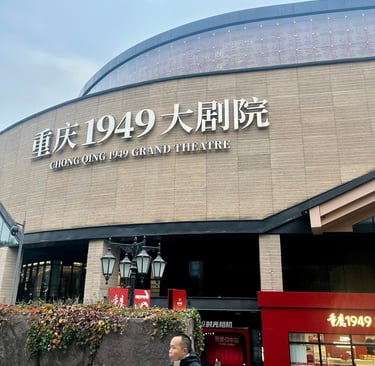
THEATRE 1974
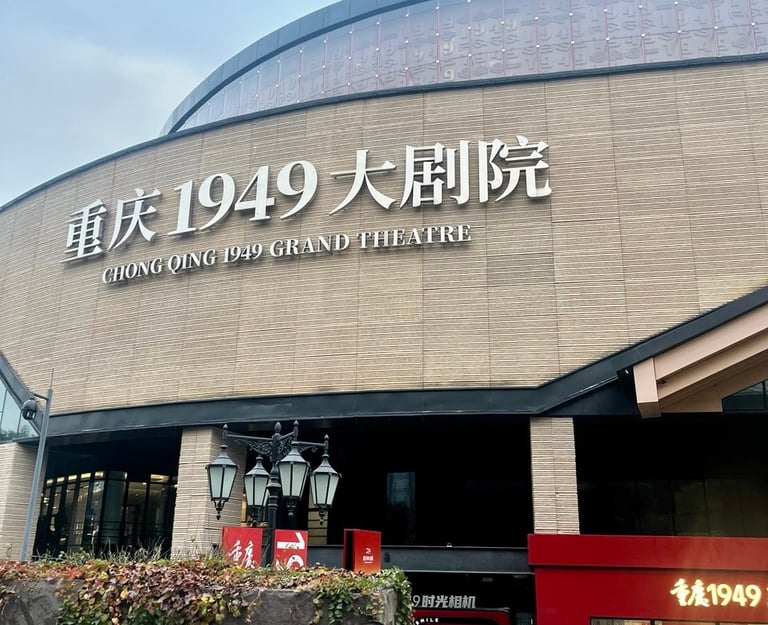
The Chongqing Grand Theatre is a cultural landmark known for hosting performances, artistic events, and contemporary shows. It is one of Chongqing’s most interesting cultural attractions, especially for travelers looking for experiences beyond the city’s classic tourist spots.
The theatre stands out for its modern architecture and creative atmosphere, making it an important part of the local cultural scene. Inside, visitors can attend theatrical performances, live music, and various cultural events that attract both locals and tourists.
Even without attending a show, the surrounding area is worth exploring, particularly for those looking to experience a more cultural and alternative side of Chongqing’s nightlife.
It is a great addition to an itinerary for anyone interested in art, culture, and evening experiences, offering a different perspective on the city beyond its traditional attractions.


QUINSIMEN BRIDGE
Qiansimen Bridge is one of Chongqing’s most recognizable bridges, connecting different parts of the city across the Jialing River. It is particularly impressive thanks to Chongqing’s unique urban landscape, surrounded by skyscrapers, hills, and multiple levels that create a truly distinctive setting.
The bridge is interesting not only as an important piece of infrastructure but also as a great viewpoint. Several areas nearby offer beautiful views of the city skyline, especially at sunset and in the evening, when the city lights illuminate the buildings and reflect on the river.
It is an ideal stop for an evening walk, especially when combined with other viewpoints in the area. This allows you to experience Chongqing’s spectacular skyline and appreciate the unique character of its urban landscape.
YANKEES RIVER CABLEWAY
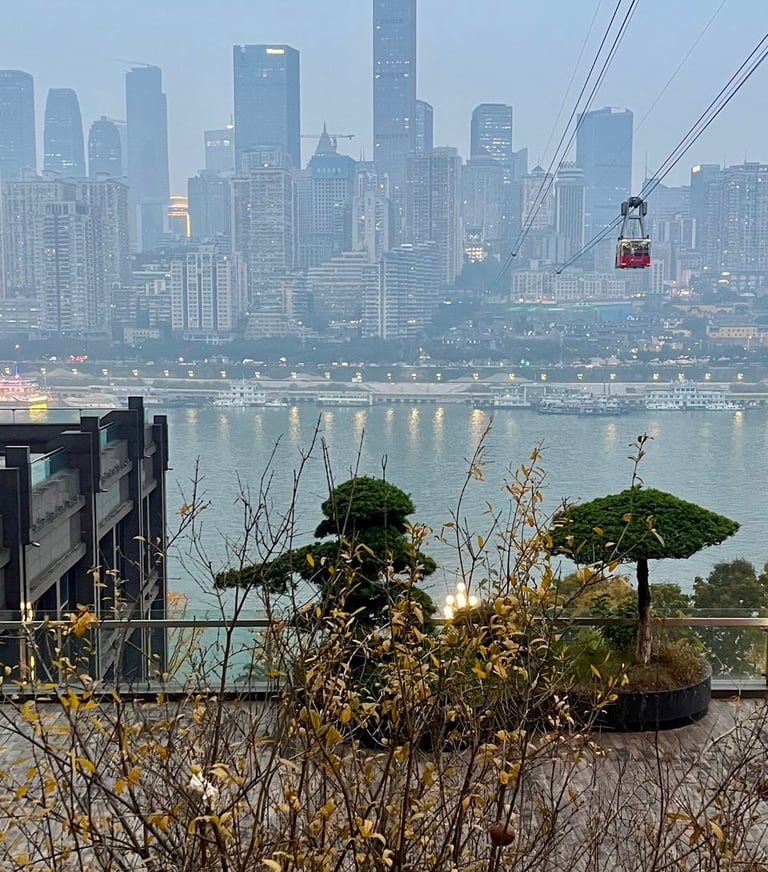
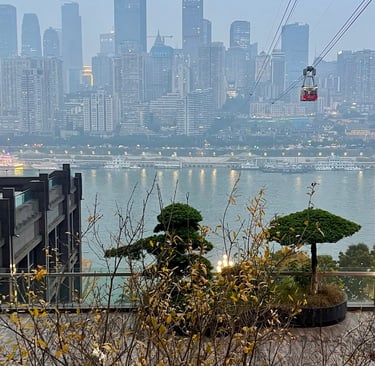
The Yangtze River Cableway is a historic cable car that crosses the mighty Yangtze River, connecting the Yuzhong and Nan’an districts of Chongqing. Opened in the 1980s, it served as one of the city’s main means of transportation for decades and has now become one of Chongqing’s most popular tourist attractions.
The journey takes around 3–5 minutes to cover just over 1 kilometer across the river, but it offers some of the city’s most spectacular panoramic views. From the cable car, you can admire Yuzhong’s skyscrapers, the Yangtze River, and Chongqing’s illuminated skyline.
Each cabin is spacious and features large windows, making it an ideal experience for taking unforgettable photos while enjoying a unique perspective of the city.
Practical Tips
It’s best to ride the cableway at sunset or in the evening, when the contrast between the city lights and the river creates a breathtaking view.
Arrive early on weekends and public holidays, as queues can be quite long.
Bring a light jacket, as the cabin can be cool and windy, especially during winter.
The cableway is more than just a tourist attraction: it is a symbol of Chongqing and a unique way to experience the city from a rare and spectacular perspective..
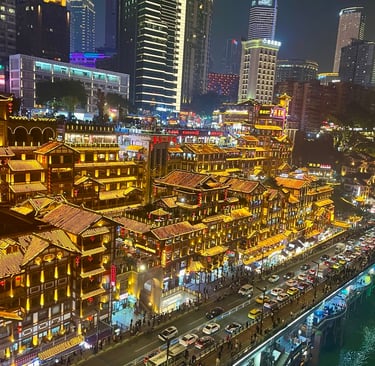
HONGYA CAVE
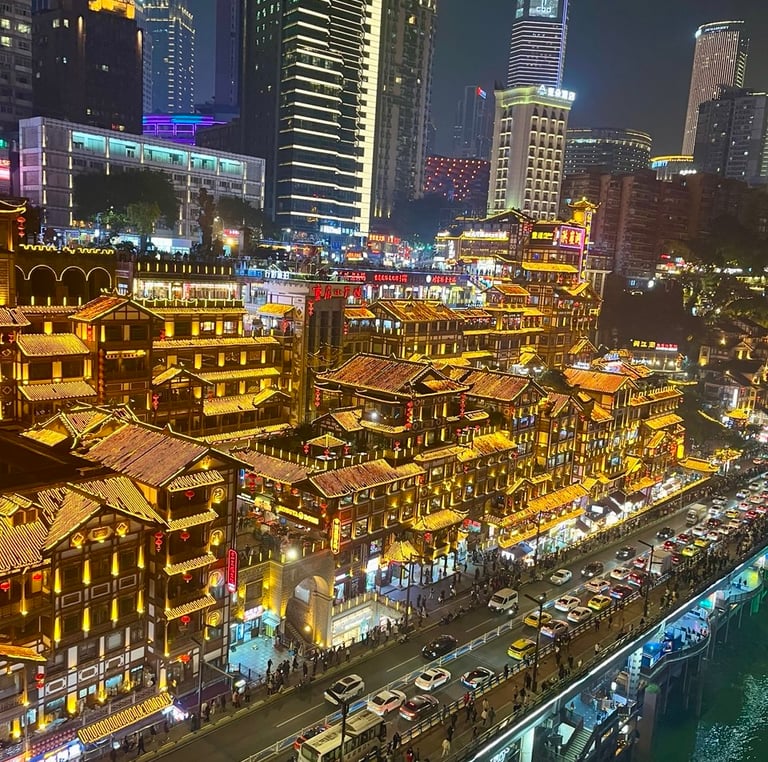
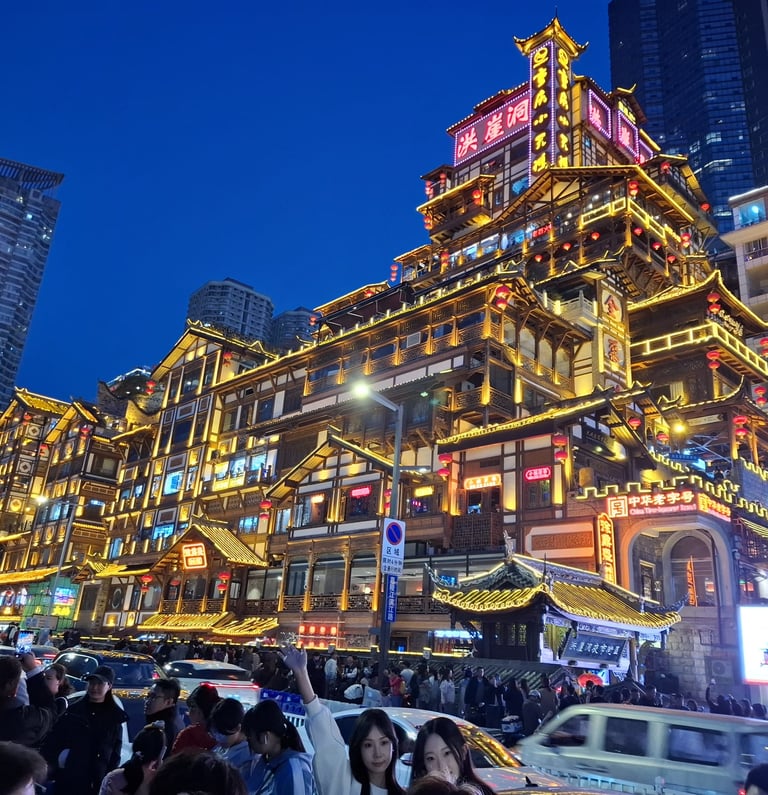
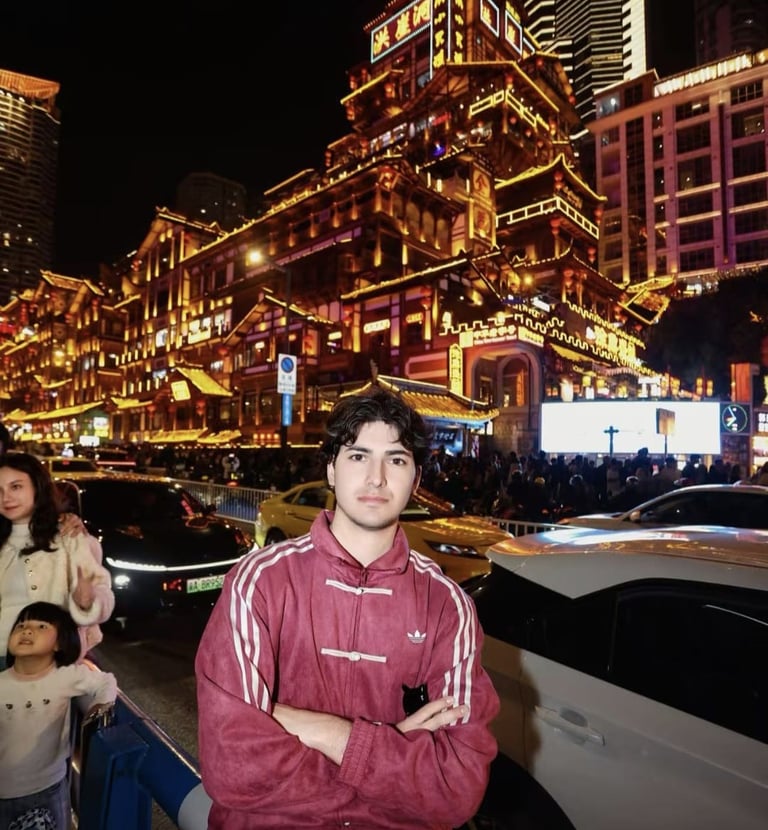
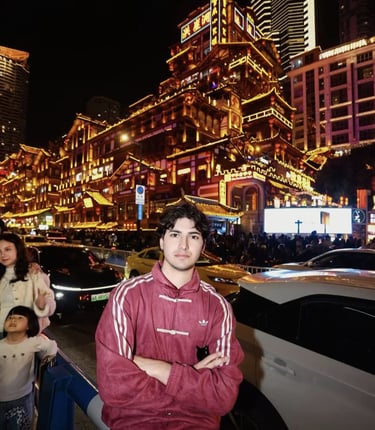
Hongya Cave is one of Chongqing’s most iconic landmarks, famous for its traditional architecture built across multiple levels along the mountainside. The complex resembles an ancient village suspended above the cliffs, with hundreds of lights creating a magical atmosphere after dark.
Inside, visitors can find restaurants, shops, and local street food, making it a great place to experience Chongqing’s unique culture and atmosphere. It is a must-visit spot for enjoying spectacular views, exploring local flavors, and taking stunning photos, especially in the evening when the entire complex lights up.
LIGHTS AND BEST TIME TO VISIT
The lights at Hongya Cave generally turn on around 6:30–7:00 PM, shortly after sunset.
💡 The exact time may vary slightly depending on the season:
Winter: sometimes as early as 5:30 PM
Summer: closer to 7:30 PM
👉 The best advice is to arrive around 30–40 minutes before sunset, so you can enjoy the views during daylight and watch the area transform as the lights come on and Hongya Cave becomes especially spectacular after dark.
DAY 9
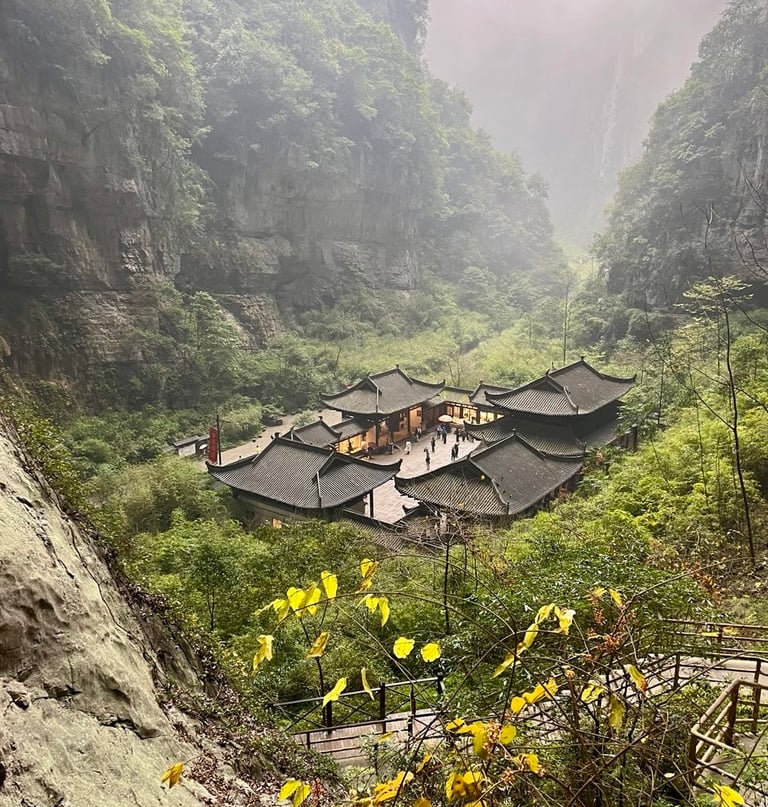
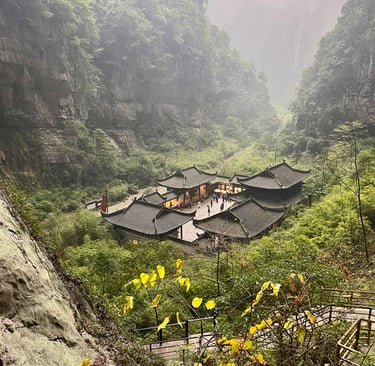
WULONG
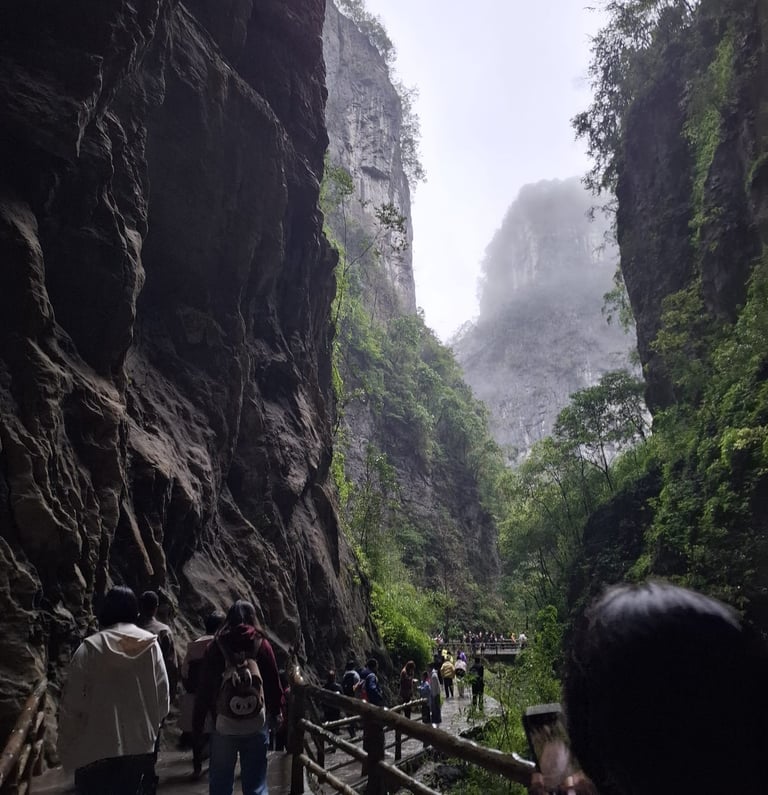
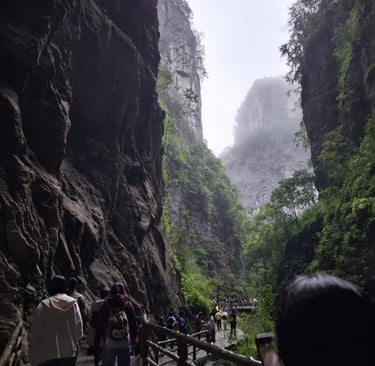
Wulong Karst National Geology Park is one of China’s most spectacular natural wonders and one of the country’s most impressive UNESCO World Heritage sites. Famous for its enormous natural bridges, deep gorges, and extraordinary karst formations, the park offers breathtaking landscapes that seem to belong to another world.
Located in the Chongqing region, Wulong is an ideal destination for nature lovers and adventure seekers. Its dramatic scenery has also served as the backdrop for several international film productions, further adding to its worldwide appeal.
With its towering rock formations, spectacular valleys, and untouched natural landscapes, Wulong is a must-visit destination for anyone looking to experience a different side of China.
DAY 10
CIQIKOU ANCIENT TOWN
Ciqikou Ancient Town is a charming historic district located along the banks of the Jialing River, known for its traditional narrow streets, historic temples, and classic architecture typical of southern China.
Once an important center for ceramics and trade, Ciqikou is now a popular place to experience local culture, with traditional craft shops, souvenir stores, local food stalls, and street food. Walking through its lively streets offers a glimpse into the history and everyday atmosphere of old Chongqing.
Practical Tips
Take your time exploring the side streets to discover hidden corners and unique photo spots.
Try local dishes and street food, such as Chongqing’s famous skewers and traditional sweets.
Visit the small temples and historic houses to experience the authentic atmosphere of the town’s past.
It’s best to visit in the morning or early afternoon to avoid the largest crowds.
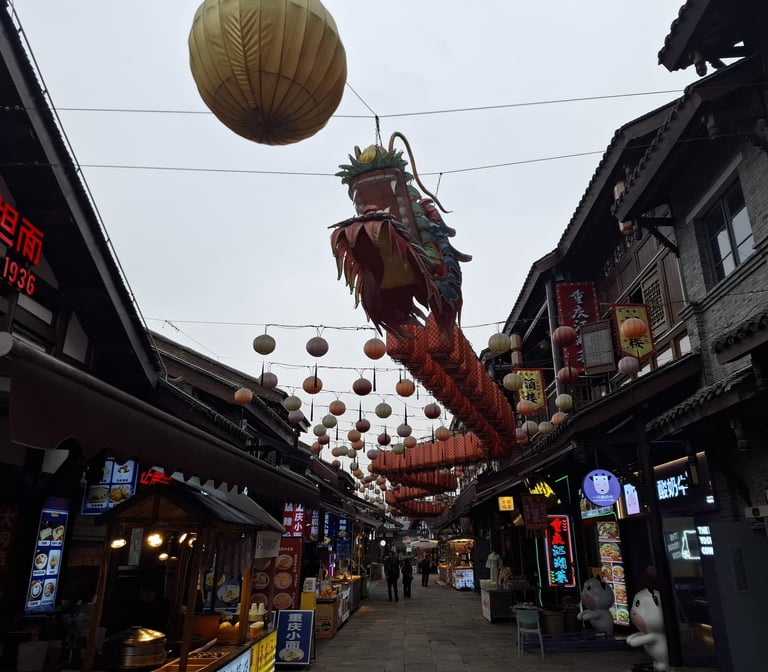


LIZIBA MONORAIL STATION
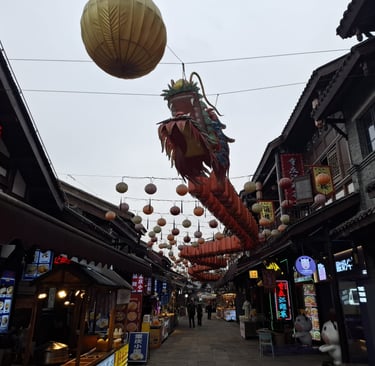
Liziba Monorail Station is one of Chongqing’s most iconic landmarks, famous for the Line 2 metro train passing directly through a residential and commercial building, creating a unique example of urban engineering.
The multi-level structure combines residential and commercial spaces, while the train travels through the building in full view, creating a striking and highly photogenic scene. It has become one of Chongqing’s most recognizable attractions and a must-see for anyone interested in the city’s unusual architecture and modern infrastructure.


YANGTZE RIVER CRUISE
A Yangtze River Cruise is one of the most interesting experiences to have in Chongqing and a great way to see the city and its surroundings from a completely different perspective. As you cruise along the river, you can admire the city skyline, bridges, and surrounding landscapes, offering a unique view compared to Chongqing’s more traditional attractions.
Cruises are available both during the day and in the evening, but night cruises are particularly popular, when the city lights reflect on the water and create a spectacular atmosphere. It’s also a great way to relax after a busy day of sightseeing while enjoying panoramic views of Chongqing.
There are several cruise options available, ranging from short sightseeing tours to longer experiences, often including dinner and live entertainment on board. This makes a Yangtze River cruise a versatile activity, perfect for a romantic evening or simply for anyone looking for a different way to experience the city.
GREAT HALL
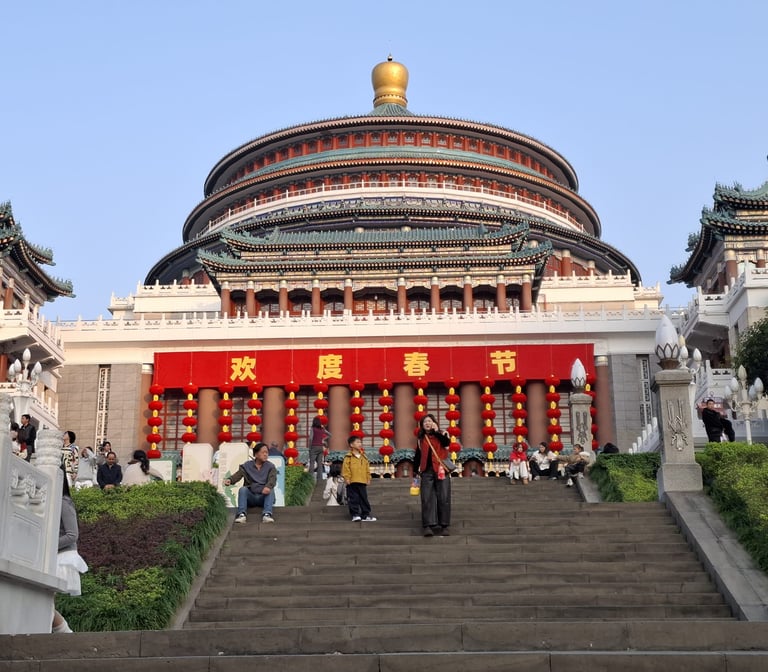
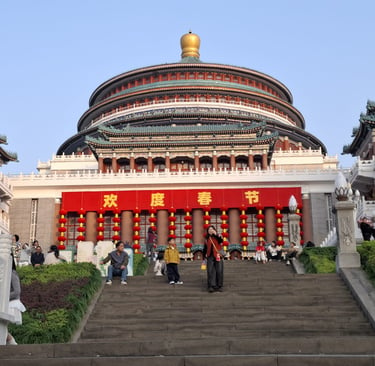
The Great Hall of the People is one of Chongqing’s most iconic buildings and is often considered one of the city’s main attractions. Its architecture draws inspiration from traditional Chinese styles, featuring a large central dome and imposing details that make it instantly recognizable.
The building is used for official events, conferences, and performances, but it is also worth visiting for anyone interested in architecture and local culture. Even from the outside, it offers an excellent photo opportunity and represents an important example of Chongqing’s urban landscape.
In the evening, when the building is illuminated, it becomes even more impressive and is often included in walks through the city center and Chongqing’s modern districts.
For this reason, the Great Hall of the People is a great addition to any Chongqing itinerary, especially for those looking to combine culture, architecture, and photography.
DAY 11

CHONGQING -SHANGHAI
FLIGHT

SHANGHAI
Shanghai is China’s largest and most cosmopolitan city, famous for its futuristic skyline, the skyscrapers along the Bund, and the vibrant Pudong district. As the country’s major financial and commercial hub, it combines modernity and tradition, from historic markets and ancient temples to luxury shopping streets and cutting-edge museums. Shanghai is also an important cultural and tourist destination, offering a vibrant nightlife, international restaurants, and a wide variety of cultural performances. The city perfectly represents the contrast between China’s rich historical heritage and its rapid modern urban development.
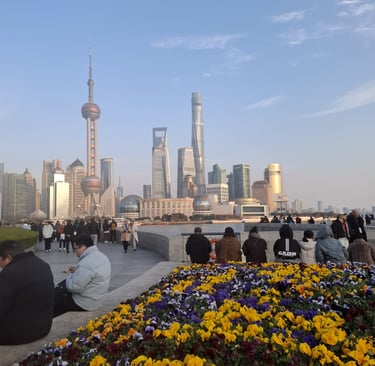
BUND
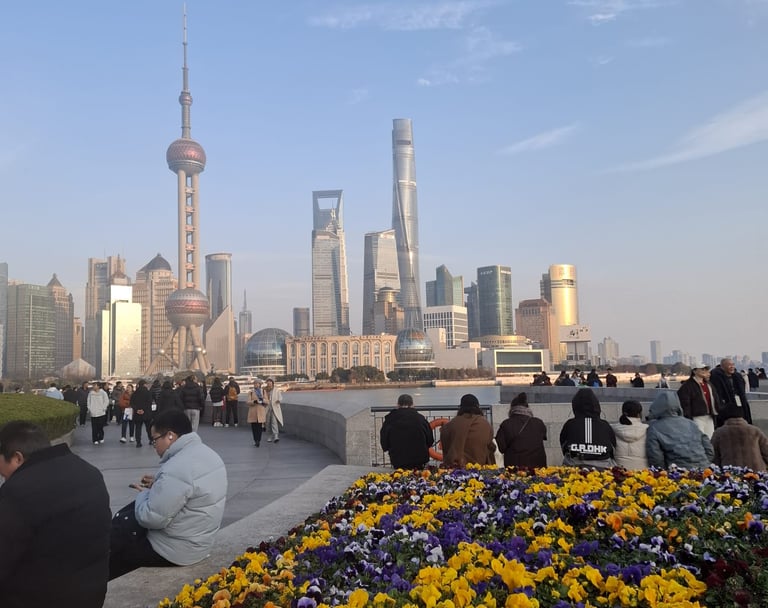
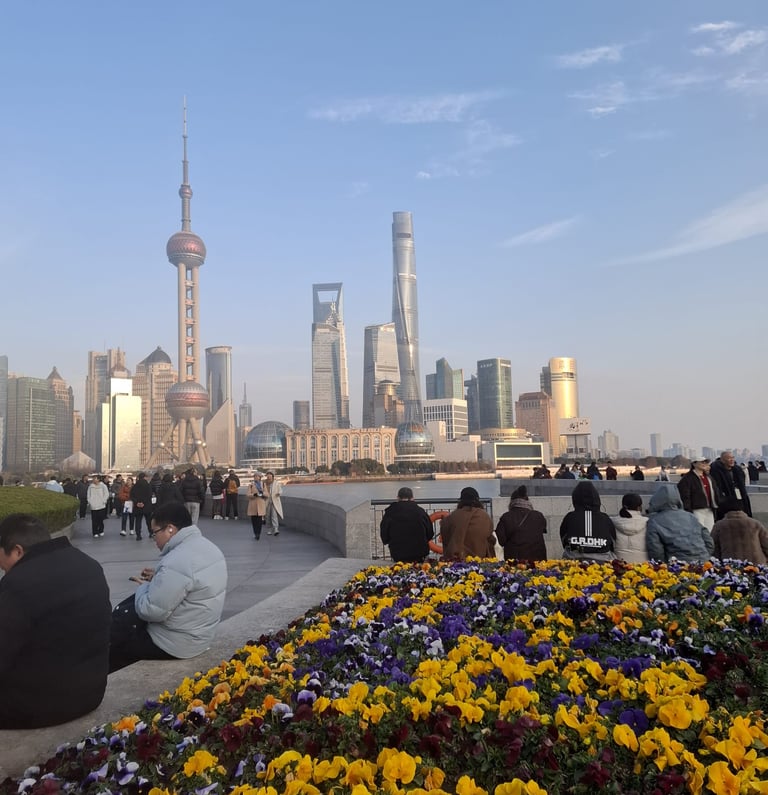
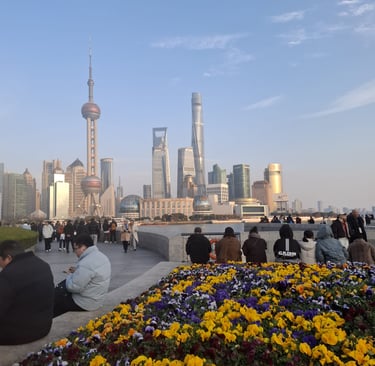
The Bund is one of Shanghai’s most iconic landmarks. This famous waterfront promenade runs along the Huangpu River and offers spectacular views of the modern skyscrapers in the Pudong district.
Along the Bund, you can admire numerous historic European-style buildings, constructed between the 19th and 20th centuries, when Shanghai was an important international trading hub.
Today, it is one of the city’s most visited areas and a perfect place to take a walk while enjoying the striking contrast between historic architecture and Shanghai’s futuristic skyline.
NANJING ROAD
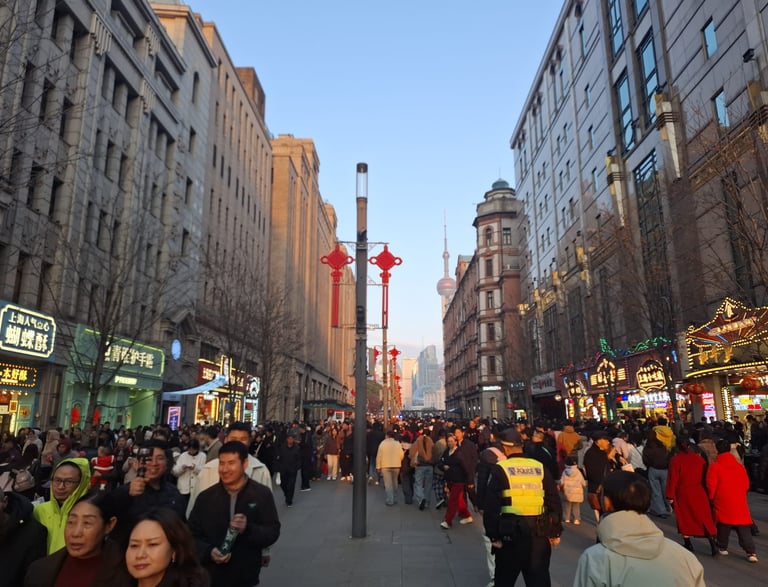
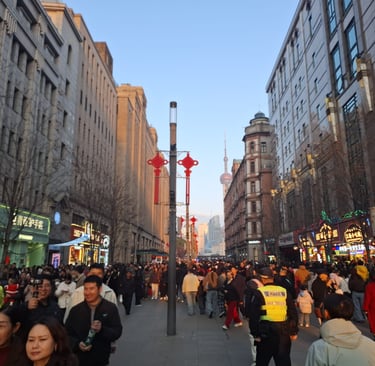
Nanjing Road is Shanghai’s most famous shopping street and one of the busiest commercial avenues in the world. Stretching for more than five kilometers, it connects the iconic The Bund with People’s Square.
The best-known section is the pedestrian area, always bustling with shops, large shopping malls, restaurants, and international hotels. Established in the 19th century, Nanjing Road gradually became the city’s main commercial hub.
Today, it is one of Shanghai’s liveliest areas, especially in the evening, when illuminated signs and skyscrapers create a spectacular atmosphere that perfectly captures the modern energy of Shanghai.
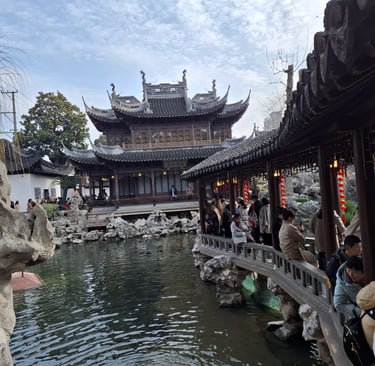
YUYUAN GARDEN
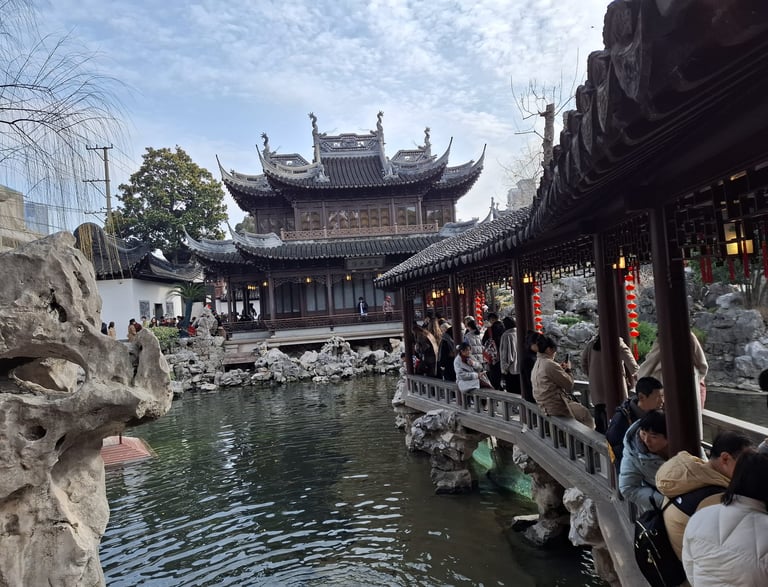
Yuyuan Garden, also known as the Garden of Happiness, is one of Shanghai’s most famous traditional Chinese gardens. It was built in the 16th century during the Ming Dynasty by an imperial official as a place of retreat for his family.
The garden is a beautiful example of traditional Chinese landscape design, featuring ponds, stone bridges, ornate pavilions, decorative rocks, and carefully landscaped gardens. Despite being located in the heart of modern Shanghai, it offers a peaceful and atmospheric escape from the city’s busy streets.
Next to the garden is the lively Yuyuan Bazaar, filled with traditional shops, restaurants, and food stalls that attract visitors throughout the day.
Opening Hours: Generally open from 9:00 AM to 4:30–4:45 PM.
Admission: Approximately 30–40 yuan (¥).
Note: Opening hours and ticket prices may vary, so it is recommended to check the latest information before your visit.
SHANGHAI TOWER
Shanghai Tower is one of the tallest skyscrapers in the world and one of the most iconic symbols of modern Shanghai. Standing at 632 meters tall with 128 floors, it dominates the skyline of the Pudong financial district.
Opened in 2015, the tower is famous for its distinctive spiral-shaped design and some of the fastest elevators in the world. Inside, it houses offices, a hotel, shops, and a spectacular observation deck, offering breathtaking panoramic views over Shanghai and the Huangpu River.

DAY 12
JIANG'AN TEMPLE
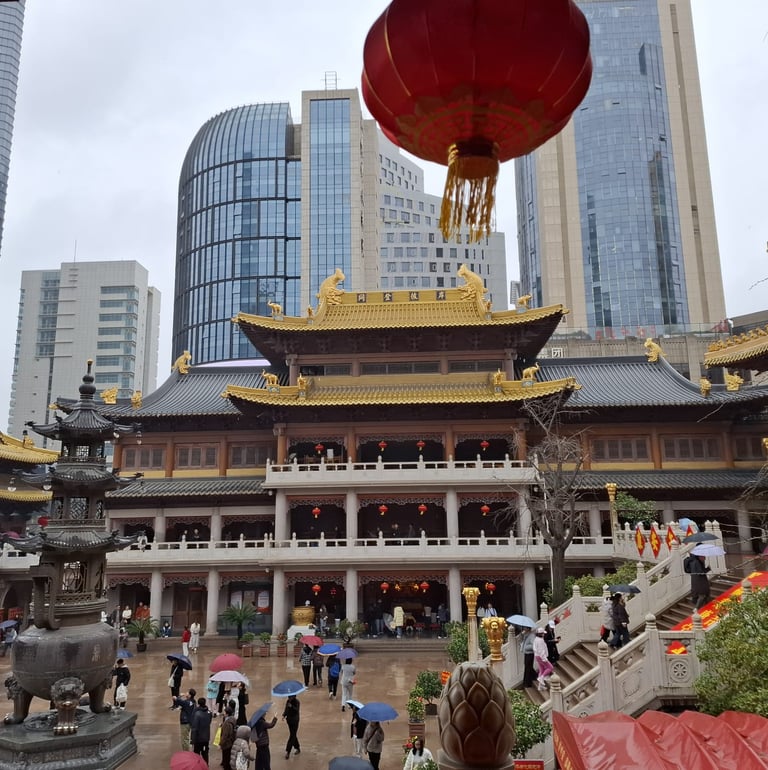
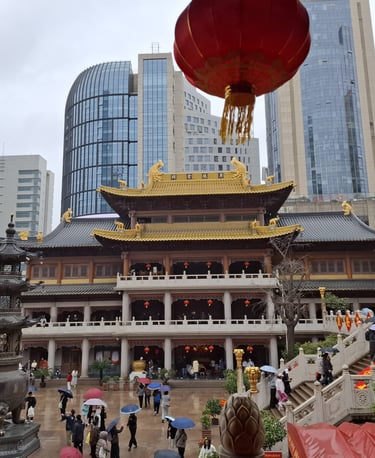
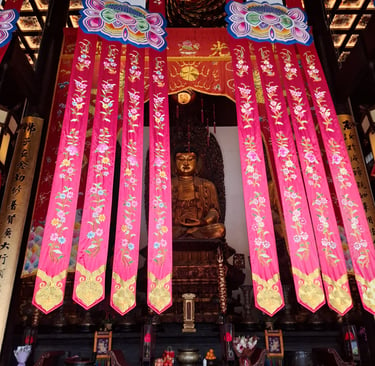
Jing’an Temple is one of the most important Buddhist temples in Shanghai, located right in the heart of the city. It immediately stands out for the contrast between its traditional architecture, with golden roofs and typical Chinese decorations, and the modern skyscrapers surrounding it.
Inside, visitors can find richly decorated halls, Buddha statues, and worshippers praying among clouds of incense, creating a peaceful and spiritual atmosphere. It is one of the best places to experience a more authentic and traditional side of Shanghai, away from the city’s fast-paced rhythm.
Opening Hours: 7:30 AM – 5:00 PM, with last admission at 4:30 PM. On the 1st and 15th days of the lunar month, opening hours are extended from 4:30 AM to 5:00 PM.
Admission: 50 RMB (approximately €6.50) per person, including three incense sticks. The price may increase to 100 RMB during Chinese New Year.
Note: Opening hours and admission fees may vary during holidays, so it is advisable to check the latest information before visiting.
JADE BUDDHA TEMPLE
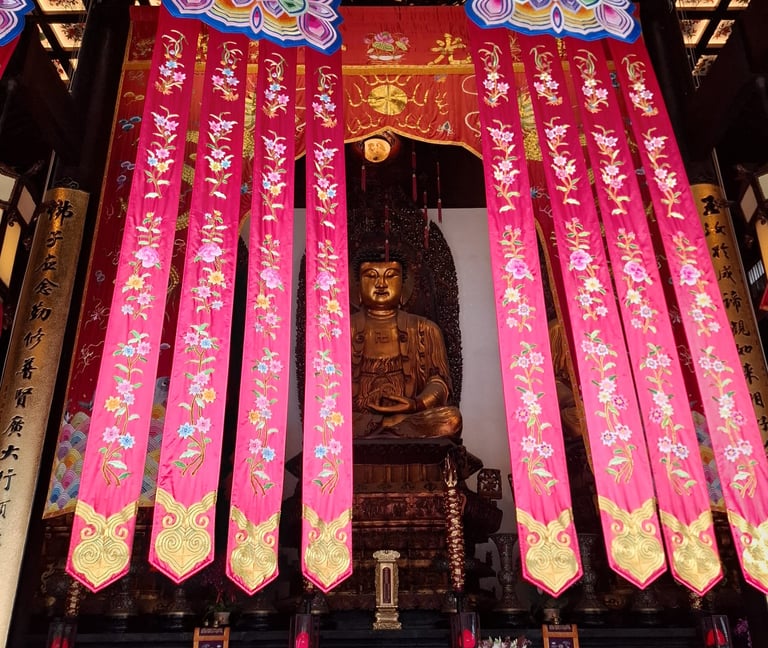
Jade Buddha Temple is one of the most important Buddhist temples in Shanghai. It was founded in the late 19th century to house two precious Buddha statues carved from white jade and brought from Myanmar.
The most famous statue depicts a seated Buddha, beautifully decorated with precious stones. The temple remains an important place of worship today, where monks and devotees gather to pray and burn incense.
Despite being located in the heart of modern Shanghai, the temple maintains a peaceful and spiritual atmosphere, offering visitors a chance to experience a quieter side of the city..
Dettagli Utili:
Orari: 08:00 - 16:30.
Prezzo Base: ~20-30 CNY (ingresso tempio), +10 CNY per i Buddha di giada.
Festività Buddiste: Orario spesso esteso (07:00-16:30).
XIAN TIAN DI
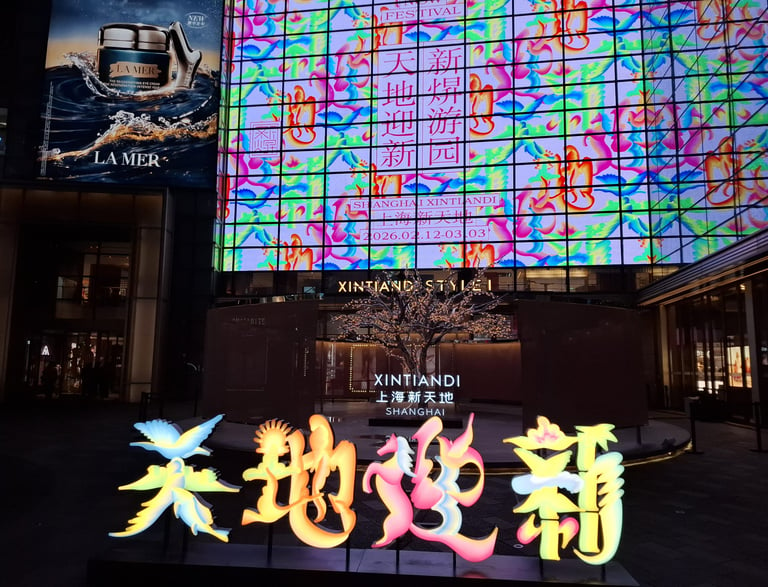
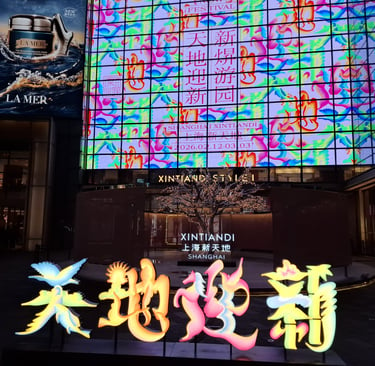
Xintiandi is one of Shanghai’s most modern and elegant neighborhoods, famous for its restaurants, boutiques, and trendy nightlife. Located in the former French Concession, the area is characterized by beautifully restored shikumen buildings, which combine traditional Chinese architecture with contemporary design.
It is the perfect place for a relaxed walk, shopping, or enjoying a meal at one of its many international restaurants. During the day, Xintiandi has a calm and pleasant atmosphere, while in the evening it comes alive with lights, music, and a vibrant nightlife scene.
TIANZIFANG


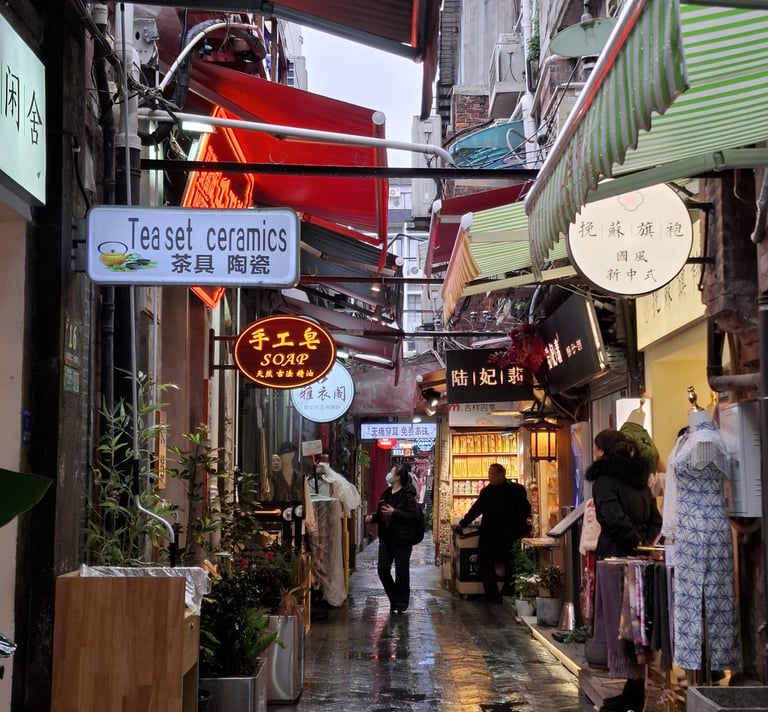
Tianzifang is one of Shanghai’s most distinctive and creative neighborhoods, famous for its narrow alleyways filled with shops, cafés, and small art galleries. Located in the former French Concession, the area is built around a historic complex of shikumen houses, traditional residences that blend Chinese and Western architectural influences.
As you wander through its charming streets, you’ll find artisan workshops, unique souvenir shops, street food, and hidden cafés and restaurants, all surrounded by a lively and artistic atmosphere.
Tianzifang is the perfect place to take a break from the fast pace of Shanghai and discover a more local, authentic, and creative side of the city.
FRENCH CONCESSION
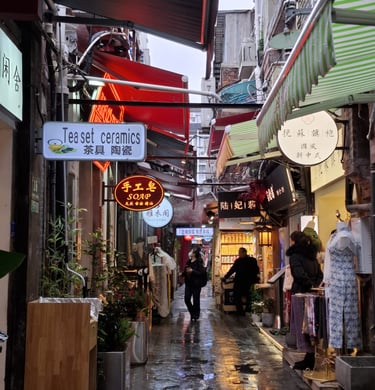
The French Concession in Shanghai was an area of the city administered by France from 1849 to 1943. It was established after the First Opium War, when foreign powers gained control over parts of the city.
Over time, it developed into an elegant and cosmopolitan neighborhood, characterized by tree-lined avenues, European-style villas, shops, and cafés. Both foreigners and Chinese residents lived here, creating an environment rich in cultural and commercial exchange.
The area also became an important political and social center during the major changes China experienced throughout the 20th century.
Today, the French Concession is known for its historic atmosphere, colonial architecture, and numerous restaurants, boutiques, and art galleries. It remains one of the most fascinating and popular neighborhoods in Shanghai.
My Travel Insurance
—
Traveling, especially alone, has taught me one thing: you can’t control everything. A delay, a health issue, or an unexpected problem can happen anywhere, even on the best trips. At first, I underestimated travel insurance, but over time I started seeing it as an extra layer of security rather than an unnecessary expense. Knowing that I was covered helped me travel with greater peace of mind and truly enjoy the experience without unnecessary worries.
Everyone is free to make their own choice, but for me, travel insurance has become one of those things I’d rather have and never need than need and not have.

PHOTOS
Have you already read the story of my first Chinese New Year?
👇 Discover it here


Email:
info@odysseytravel.it
+39 3270120054
Telefono:
Seguimi
ODYSSEY TRAVEL
EXPLORE THE WORLD
Authentic itineraries
Information
Contact