


BERLIN
Berlin is Germany’s vibrant capital, renowned for its rich history and its unique blend of modern architecture and historic landmarks. The city is crossed by the River Spree and dotted with lively squares, world-class museums, and iconic memorials, including the Berlin Wall and the Brandenburg Gate. Neighborhoods such as Mitte and Kreuzberg are known for their culture, street art, and vibrant nightlife. Berlin is also a hub of art, music, and innovation, with bustling markets, green parks, and cozy cafés bringing its streets to life. A dynamic city where history and modernity come together in a truly unique way.

3-DAY ITINERARY
DAY 1
ALEXANDERPLATZ
Alexanderplatz is one of Berlin’s most iconic squares, located in the central district of Mitte. It is a major transportation hub, with train, subway, and tram connections, and is surrounded by shops, restaurants, and hotels.
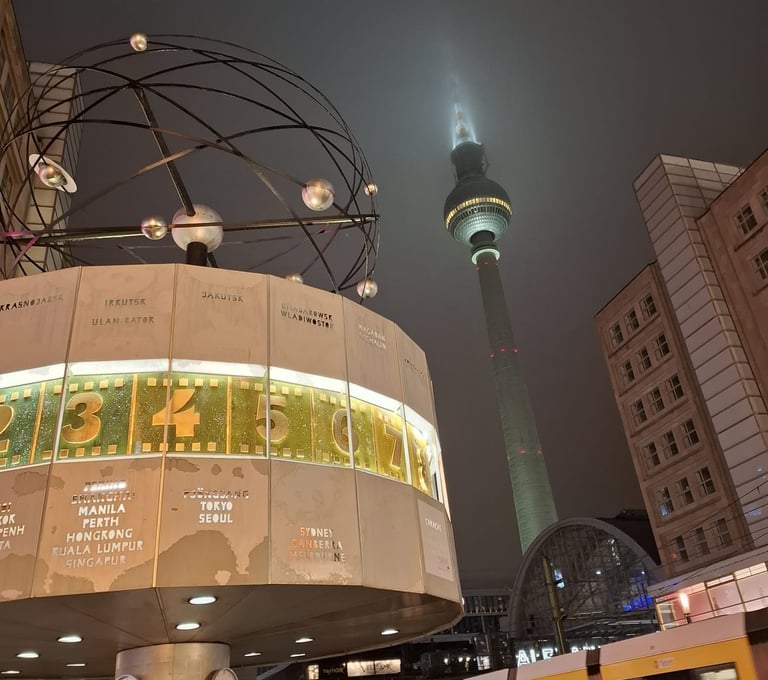
At its heart stands the famous Berlin TV Tower (Fernsehturm), one of the city's most recognizable landmarks, along with the World Clock (Weltzeituhr), a popular meeting point for both locals and visitors. The square also hosts events, markets, and public gatherings throughout the year, making it the perfect starting point for exploring Berlin’s historic city center..
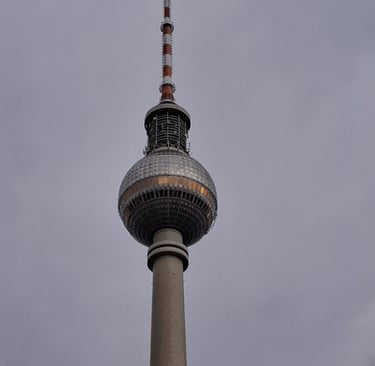
BERLIN TV TOWER
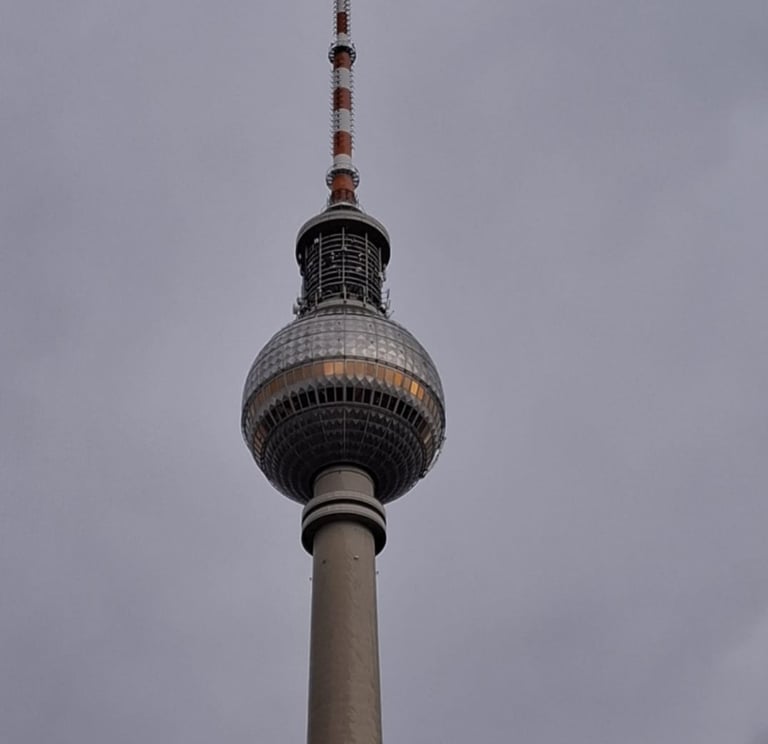
The Berlin TV Tower (Fernsehturm) is one of the city’s most iconic landmarks. Located just steps from Alexanderplatz, it rises to approximately 368 meters (1,207 feet), making it the tallest structure in Germany.
The tower features a rotating panoramic restaurant and an observation deck, offering breathtaking 360-degree views across Berlin. On clear days, visitors can admire the city skyline, its surrounding neighborhoods, and even the distant countryside stretching beyond the city limits.
Opening Hours (Approximate)
Open daily from 10:00 AM to 11:00 PM.
Ticket Prices
Standard Ticket: from €24.50.
VIP Ticket: available with a surcharge, including skip-the-line access.
Ticket with Restaurant Breakfast: approximately €37.00 per person.
Discounts: available for children and teenagers.
Berlin Welcome Card: discounted admission available for cardholders.
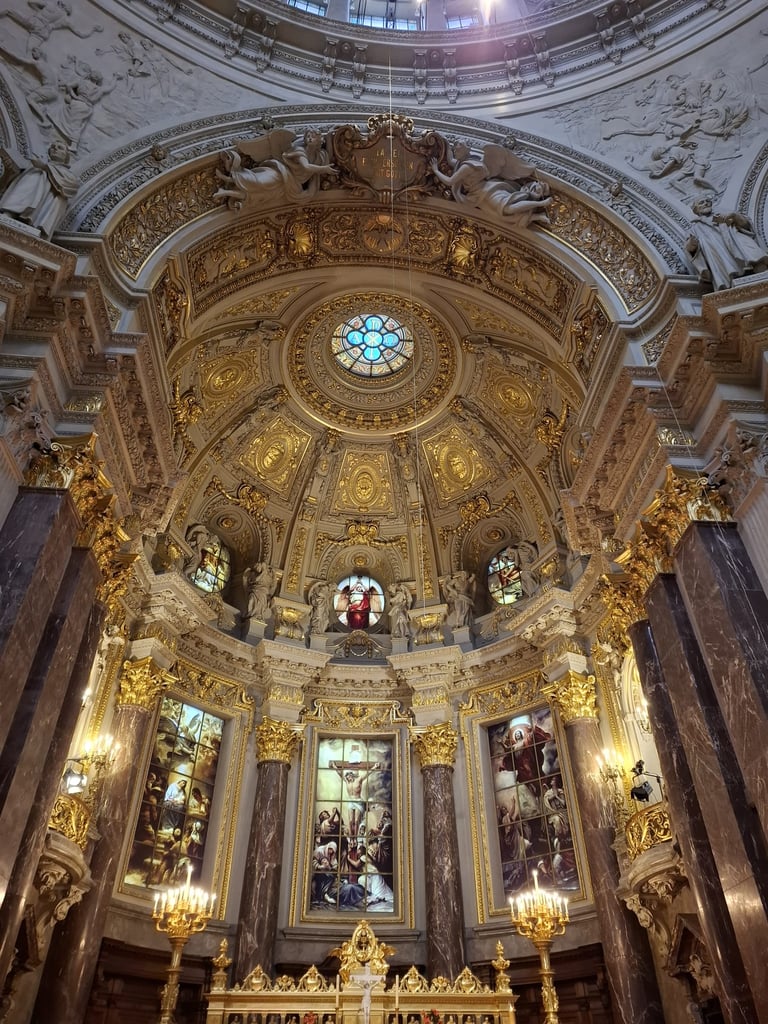
Berlin Cathedral (Berliner Dom) is the city’s largest Protestant church, located on Museum Island in the heart of the Mitte district.
Built in a magnificent Renaissance-Baroque style, the current cathedral was completed at the end of the 19th century. Its impressive green dome dominates Berlin’s skyline, while the interior is adorned with ornate decorations, stunning mosaics, and the crypt of the Hohenzollern royal family.
Visitors can climb to the top of the dome for spectacular panoramic views over the River Spree and Museum Island. Renowned for its architectural beauty, the cathedral is also a popular venue for concerts, cultural events, and guided tours.
General Opening Hours (Subject to Change)
April – September
Monday – Saturday: 9:00 AM – 8:00 PM
Sundays and Public Holidays: 12:00 PM – 8:00 PM (after religious services)
October – March
Monday – Thursday: 10:00 AM – 6:00 PM
Friday – Saturday: 10:00 AM – 5:00 PM
Sunday: 12:00 PM – 5:00 PM (after religious services)
Ticket Prices
Adults: €9.00 – €10.00
Reduced Admission (students, etc.): €7.00 – €7.50
Berlin WelcomeCard Holders: approximately €7.00
Children: Up to 3 children under the age of 18 receive free admission when accompanied by a paying adult.
BERLINER DOM
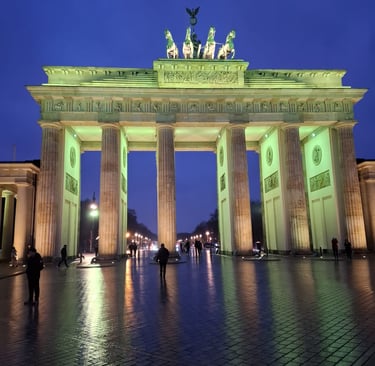
THE BRANDENBURG GATE
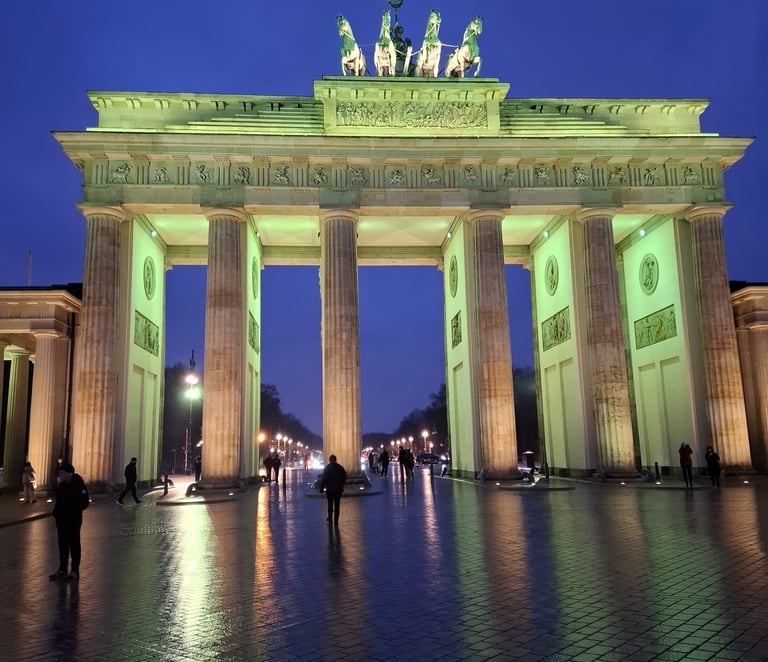
The Brandenburg Gate is one of Berlin’s most iconic landmarks. Located in the heart of the city, it was built in the 18th century as a monumental gateway.
Featuring six impressive columns, the gate is crowned by the famous Quadriga, a sculpture of a chariot drawn by four horses. Over the centuries, it has witnessed some of Germany’s most significant historical events, including the division of Berlin and the reunification of the country. Today, it stands as a powerful symbol of peace, unity, and one of the city’s most popular attractions.
MEMORIAL TO THE MURDERED JEWS OF EUROPE
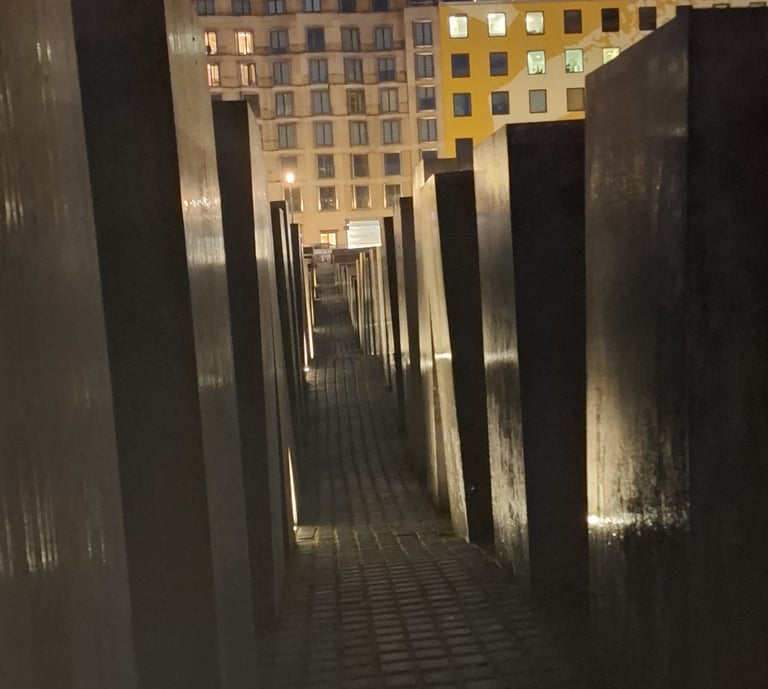
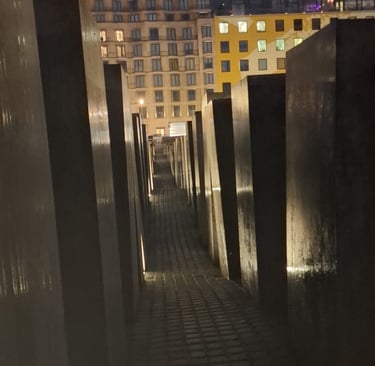
The Memorial to the Murdered Jews of Europe, commonly known as the Holocaust Memorial, was inaugurated in 2005 and commemorates the Jewish victims of the Holocaust. It is located in the heart of Berlin, just a short walk from the Brandenburg Gate.
The memorial consists of 2,711 concrete slabs (stelae) of varying heights, arranged in a gently undulating grid. Designed by architect Peter Eisenman, the monument creates a powerful sense of disorientation and isolation, inviting visitors to reflect on one of history’s darkest chapters.
Beneath the memorial lies an underground Information Centre, where exhibitions and personal stories provide deeper insight into the history of the Holocaust.
DAY 2
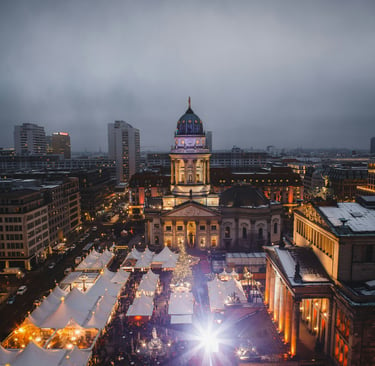
GENDARMENMARKT
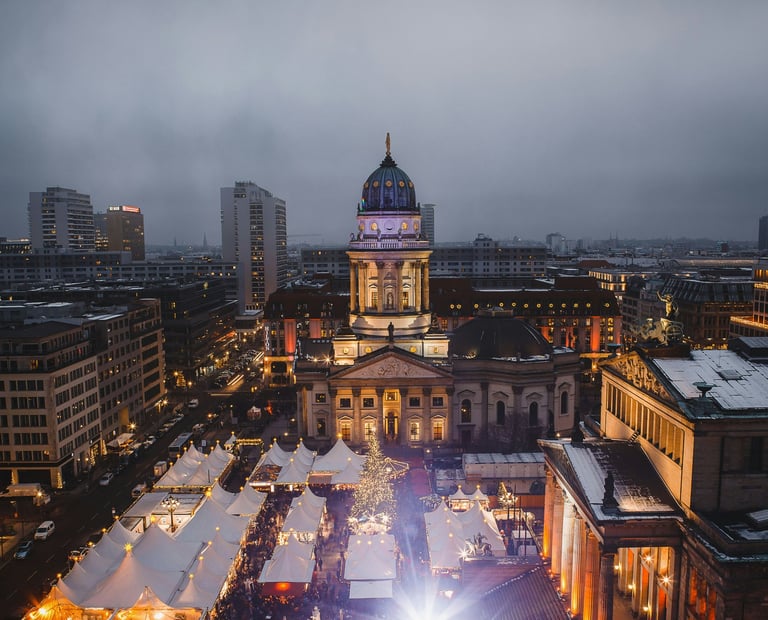
Gendarmenmarkt is a historic square located in Berlin’s Mitte district and is widely regarded as one of the city's most elegant landmarks. It is defined by three iconic buildings: the French Cathedral (Französischer Dom), the German Cathedral (Deutscher Dom), and the Konzerthaus Berlin, a renowned concert hall. The square dates back to the 17th century and takes its name from a regiment of soldiers, the "Gendarmen," who were once stationed there. Today, Gendarmenmarkt is an important cultural hub, hosting concerts, festivals, and public events throughout the year. During the winter season, it is home to one of Berlin's most famous Christmas markets, attracting visitors from around the world.
REICHSTAG
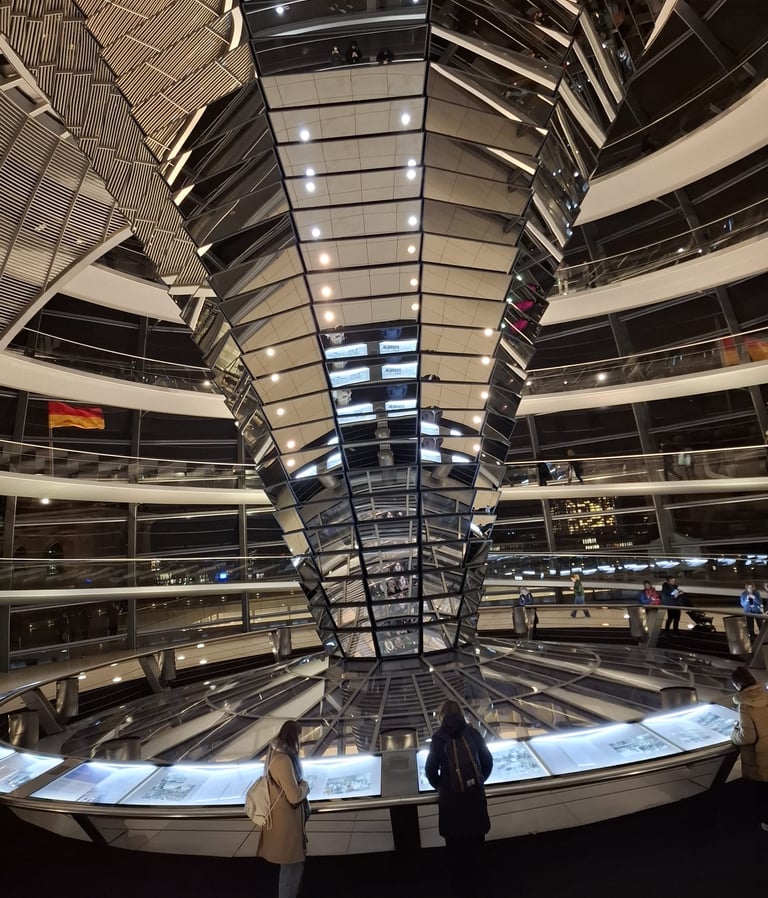
The Reichstag is the seat of the German Parliament (Bundestag) in Berlin. Built in the late 19th century, the historic building is best known for its impressive glass dome, which offers panoramic views of the city while symbolizing the transparency of Germany’s democratic government.
Following extensive restoration after World War II, the Reichstag became the center of German political life once again. Visitors can explore the building free of charge, and its iconic dome has become one of Berlin’s most photographed landmarks, representing openness, democracy, and modern architecture.
Opening Hours
The dome is open daily from 8:00 AM to 12:00 AM (midnight), with the last admission at 10:00 PM.
Admission
Free of charge for access to the dome, the rooftop terrace, and the orientation exhibition.
How to Book
Online: The best option is to book your visit through the official website of the German Bundestag (Federal Parliament).
Walk-in (subject to availability): Visit the Berlin Pavilion, located near the Reichstag, to register for a visit up to two hours before your preferred entry time.
POTSDAMER PLATZ
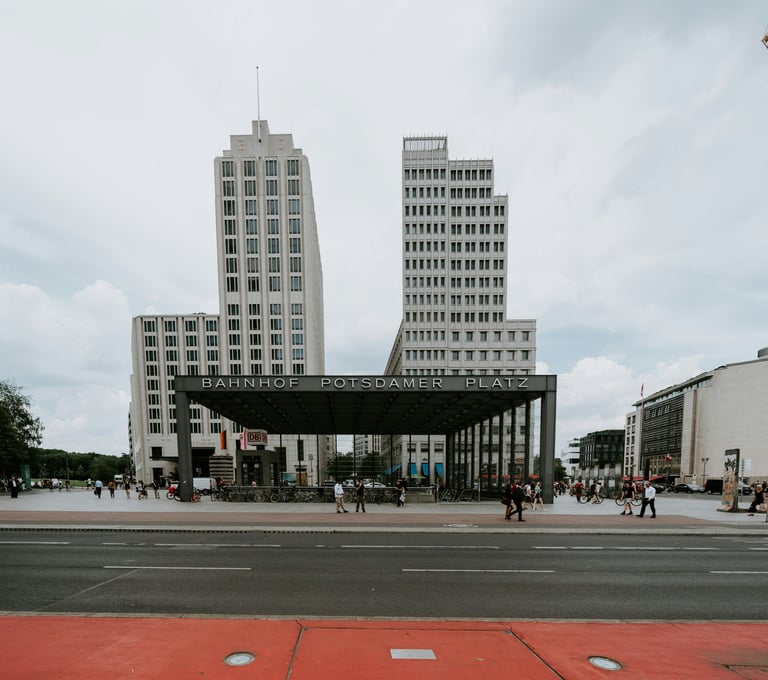
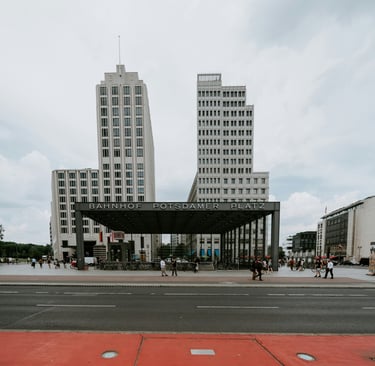
Potsdamer Platz was once the vibrant heart of pre-war Berlin but was almost completely destroyed during World War II and later divided by the Berlin Wall. Today, it stands as a symbol of the city’s remarkable transformation, featuring contemporary architecture, skyscrapers, shopping centers, cinemas, and modern office buildings.
The square is a lively meeting place filled with theaters, restaurants, cafés, and public spaces that host seasonal markets and cultural events throughout the year. It is also conveniently located near major attractions such as the Berlin Wall Memorial, the Sony Center, and the Government District, making it an ideal destination to experience Berlin’s unique blend of history, shopping, and modern urban life.
TOPOGRAPHY OF TERROR
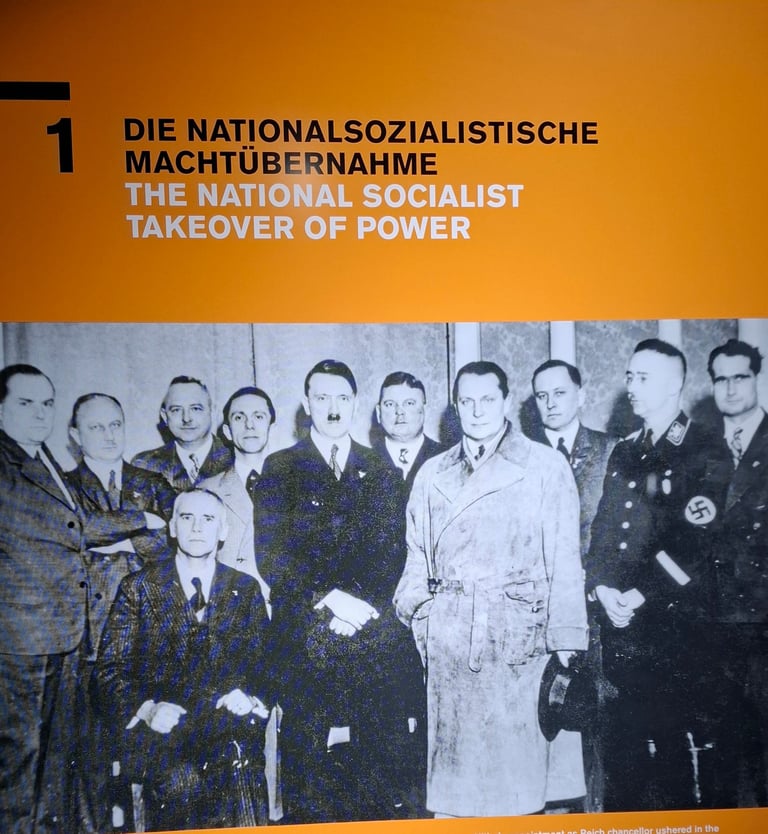
The exhibition documents the atrocities of the Nazi regime through powerful photographs, original documents, and personal testimonies, illustrating the persecution, terror, and oppressive policies carried out between 1933 and 1945. Remains of the original structures, together with informative displays, provide valuable historical context, making the visit both educational and deeply thought-provoking.
Located near Potsdamer Platz, the site is easily accessible by public transport. A visit typically takes 1–2 hours and offers a profound insight into one of the darkest periods of Germany’s modern history.
Opening Hours
General Opening Hours: 10:00 AM – 8:00 PM, daily.
Exceptional Closures: December 24, 25, and 31, as well as January 1.
Library: Monday to Friday, 10:00 AM – 5:00 PM.
Admission
Free admission (no entrance fee).
CHECKPOINT CHARLIE
Checkpoint Charlie is one of the most famous border crossing points of divided Berlin during the Cold War.
Located between East Berlin and West Berlin, it was a crossing point reserved for foreign visitors and Allied personnel. It became a powerful symbol of the division between the Western bloc and the Soviet-controlled East.
Today, it is a popular tourist attraction featuring reconstructed barriers and guard posts that recall its historical role. Nearby, a museum explores stories of escapes, espionage, and the history of the Berlin Wall.
Visitors can also see original-style signs, historical photographs, and military vehicles. Checkpoint Charlie remains one of the most iconic sites connected to the history of the Cold War.


DAY 3
THE BERLIN WALL
The Berlin Wall was built in 1961 to separate East Berlin (under communist rule) from West Berlin (the Western sector). It represented the political and ideological division of the city and of Germany as a whole.
The Wall fell in 1989, marking the end of the Cold War and paving the way for German reunification.
The East Side Gallery is a remaining section of the Wall stretching for approximately 1.3 kilometers, transformed into an open-air art gallery. Artists from around the world have created colorful murals celebrating freedom, unity, and hope.
Today, it is one of Berlin’s most photographed landmarks and a powerful symbol of resistance and change. The East Side Gallery combines history and art in a moving walk along the River Spree.


TIERGARTEN
Tiergarten is Berlin’s largest and most famous park, located in the heart of the city. With its wide green spaces, peaceful ponds, and tree-lined paths, it is the perfect place for a relaxing walk, a picnic, or simply a break from the urban hustle.
Within the park, visitors can discover historic landmarks such as the Victory Column (Siegessäule), as well as fountains, sculptures, and outdoor cafés. Popular with both locals and tourists, Tiergarten is one of the German capital’s most important green spaces and a peaceful oasis in the center of Berlin.


MUSEUM ISLAND
Museum Island (Museumsinsel) is located in the heart of Berlin on the River Spree. It is home to five world-renowned museums: the Pergamon Museum, Bode Museum, Altes Museum, Neues Museum, and the Alte Nationalgalerie.
Together, these museums house outstanding collections of ancient art, classical sculptures, archaeological treasures, Egyptian artifacts, and European masterpieces. Museum Island has been recognized as a UNESCO World Heritage Site for its exceptional cultural and historical significance.
It is one of Berlin’s most visited attractions for art and history enthusiasts. Among its most famous highlights are the Pergamon Altar and the iconic Bust of Nefertiti, making Museum Island one of the world’s leading cultural destinations.


General Opening Hours (Approximate)
Tuesday – Sunday: 10:00 AM – 6:00 PM
Thursday: Some museums, such as the Neues Museum, offer extended opening hours until 8:00 PM or 10:00 PM.
Monday: Many museums are closed, although the Neues Museum is often open.
Main Ticket Options
Day Pass (Museum Island Ticket): Approximately €24 for adults, €12 for students, and free for visitors under 18. Valid for one day and provides access to all participating museums on Museum Island.
Single Museum Tickets: Individual admission is available for each museum, with prices typically ranging from €10 to €19.
Museum Pass (3 Days): Approximately €32 for adults, offering access to many museums across Berlin for three consecutive days.
Berlin WelcomeCard (Museum Island Edition): A comprehensive option that includes unlimited public transportation and free admission to Museum Island museums for 72 hours.
BERLIN ZOO
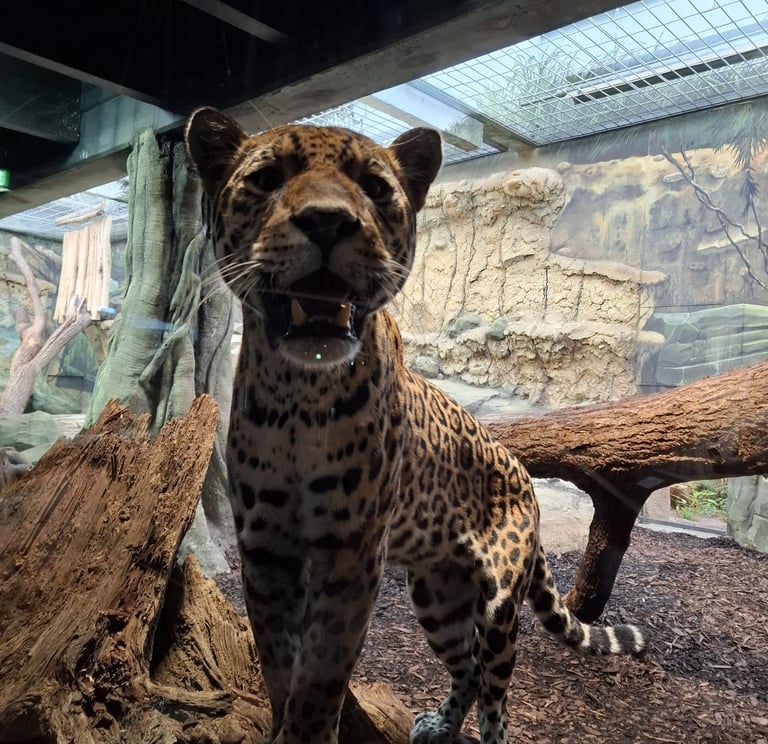
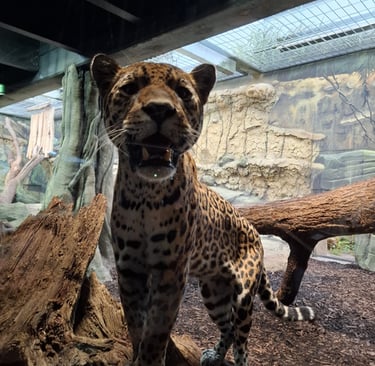
Berlin Zoo is one of the largest and most renowned zoos in Europe, located in the heart of the city in the Tiergarten district. Opened in 1844, it is home to thousands of animals representing hundreds of species, including mammals, birds, reptiles, and fish. The zoo is also famous for its historic architecture, spacious enclosures, and themed areas designed to recreate the animals' natural habitats. Among its most popular residents are the giant pandas, gorillas, and lions, which attract visitors from around the world. The zoo is connected to the Berlin Aquarium, home to a wide variety of marine and tropical species, making the experience even more comprehensive. Over the years, Berlin Zoo has become an important center for wildlife conservation, scientific research, and environmental education. A visit to Berlin Zoo offers not only the chance to see rare animals up close, but also to learn about biodiversity and the importance of protecting the natural world.
General Opening Hours (Approximate)
High Season (March – October): 9:00 AM – 6:00 PM
Low Season (November – February): 9:00 AM – 4:30 PM
December 24: Early closing at 2:00 PM
Approximate Ticket Prices (Zoo + Aquarium)
Adults (16+): approximately €24.00
Children (4–15 years): approximately €11.00
Children (under 4): Free
Reduced Admission (Students, Visitors with Disabilities, etc.): approximately €13.00
Useful Information
Official Website: For the latest opening hours, ticket prices, and visitor information, always check the official Berlin Zoo website.
Aquarium Entrance: If you are visiting only the Aquarium, use the Elephant Gate entrance on Budapester Straße.
Zoo vs. Tierpark: Do not confuse Berlin Zoo (located in Tiergarten) with Tierpark Berlin, Europe's largest zoological park, situated in the eastern part of the city.

Email:
info@odysseytravel.it
+39 3270120054
Telefono:
Seguimi
ODYSSEY TRAVEL
EXPLORE THE WORLD
Authentic itineraries
Information
Contact